




Cruise Car Fills Need for Low-Speed Vehicle Support
The manufacturer’s modular vehicle design offers more than 100 standard vehicle models that support varying fleet low-speed vehicle (LSV) needs.
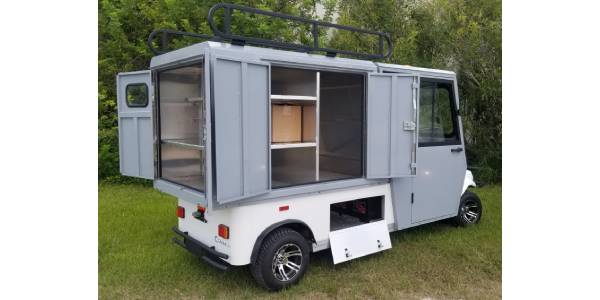
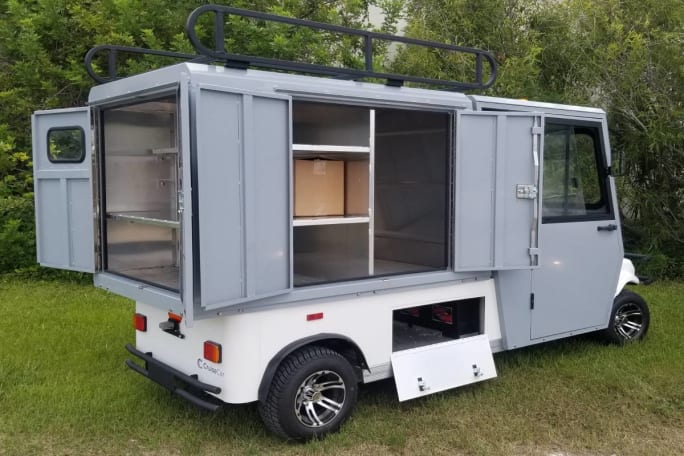
Photo: Cruise Car
Cruise Car, a manufacturer of Low Speed Vehicles (LSVs), has a solution for the problem of maintaining and supporting fleets with various parts, SKUs, and technicians: build each vehicle on a uniform sub-assembly.
“Fleet buyers have diverse vehicle needs depending on their specific situation. These needs often translate into the acquisition of an equally wide-ranging assortment of vehicle brands, exposing buyers to the unending costs required to support and maintain their fleets. Similarly, buyers who focus on vehicles within a preferred brand still require a variety of parts and maintenance cross-training to cover the patchwork of models. There should be a better way, and now there is,” said Nathan Kalin, president of Cruise Car.
With a modular vehicle design, fleet operations no longer have to deal with multiple vehicle categories requiring a different vehicle foundation, configuration, maintenance program, wiring diagram, parts catalog, and on-hand parts inventory. The modular vehicle design has narrowed the vehicle support down to a single, uniform system. This build approach allows Cruise Car to offer more than 100 standard vehicle models to support varying fleet LSV needs including utility and maintenance, transportation and shuttles, emergency response, and wheelchair-accessibility.
Multiple Configurations Maximize Options
Cruise Car’s sub-assembly is designed around its extra-thick, tempered, aluminum chassis (offered in five vehicle lengths), which allows each vehicle to live and work outdoors, in temperate weather, and in coastal environments without rusting or corroding. Each assembly includes a heavy-duty suspension system and motor powerful enough to allow even its largest eight-passenger vehicle to achieve street-legal speeds of 25 mph.
On top of the uniform sub-assembly sits a series of aluminum modular seat pod and utility bed options, allowing customers to mix and match different combinations of seating and utility components. This Lego-like configurability allows Cruise Car to offer functionally unlimited options to customers. All vehicles are offered in gas, electric, or solar electric power options.
The M2CV6 and M4SB3 units are among the units most used by Cruise Car’s current existing government fleet customers. The M2CV6 is a van cart that offers a sealed van box and a separate 10 square-foot locker within the hauler body. It is popular as it allows operators to safely store cargo. The M4SB3 is a four-passenger vehicle that includes a utility area in the back.
More Equipment
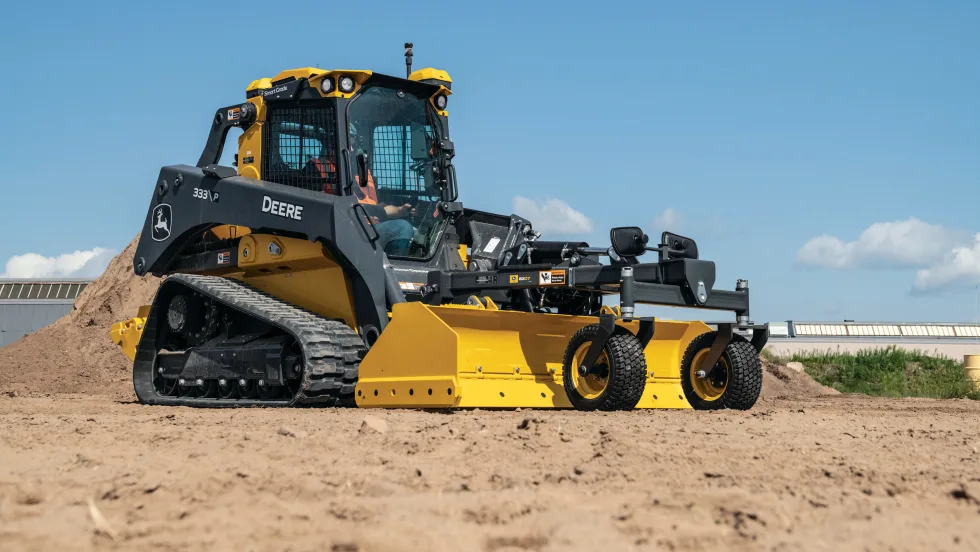
John Deere Adds SmartGrade Box Blades, Fire Suppression Option
John Deere is expanding the capabilities of its compact track loaders with new grading attachments and an equipment protection option. The additions include two SmartGrade box blades for the 333 and 335 P-Tier models and an integrated fire suppression system for large-frame machines.
Read More →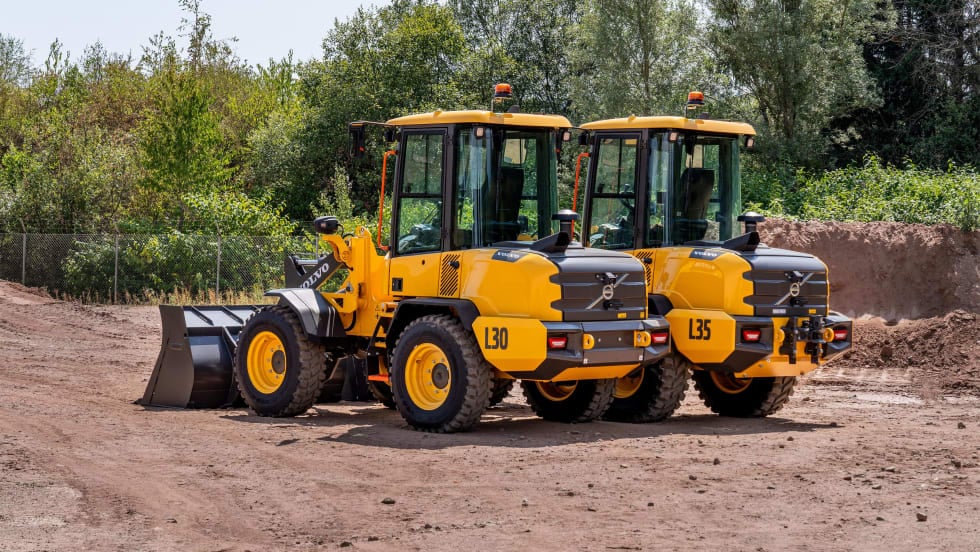
Volvo Updates L30 and L35 Compact Wheel Loaders With Redesigned Rear Frame
The updates aim to provide customers with more flexibility to use the machines for different jobs while improving service access and everyday operation.
Read More →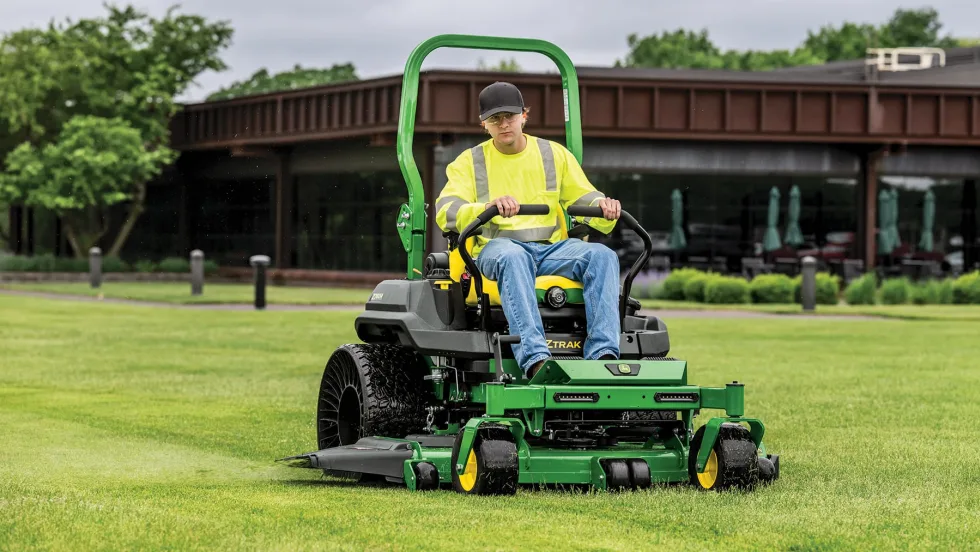
John Deere Updates Z700 ZTrak Commercial Mower Lineup
Public agencies responsible for maintaining large properties have several updated mower options from John Deere. The refreshed Z700 ZTrak lineup adds upgraded engines, transmissions, mower decks, and operator features across four models.
Read More →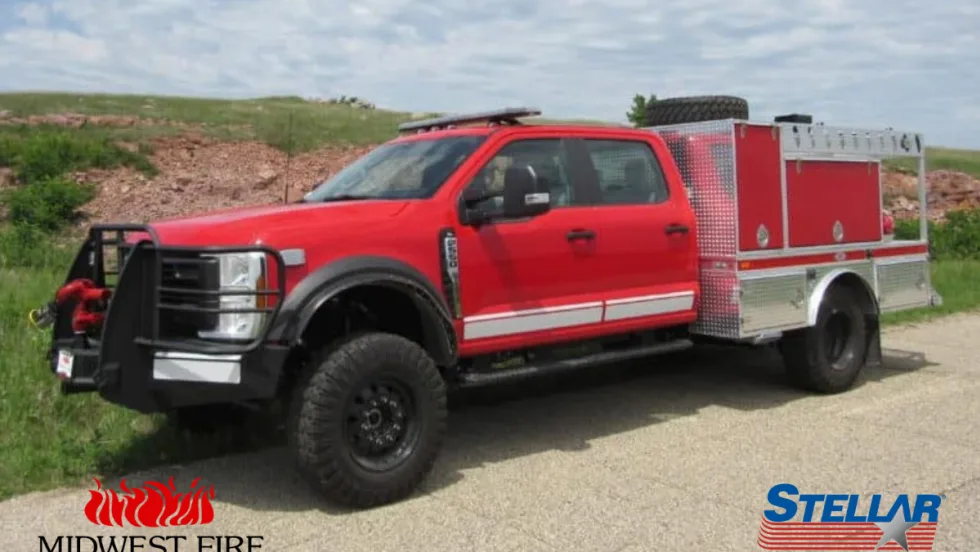
Stellar Industries Acquires Midwest Fire
The acquisition brings a manufacturer of custom fire apparatus under Stellar Industries, expanding the work-truck manufacturer into the fire and emergency response market. Midwest Fire will continue operating from its existing Minnesota headquarters as a distinct company.
Read More →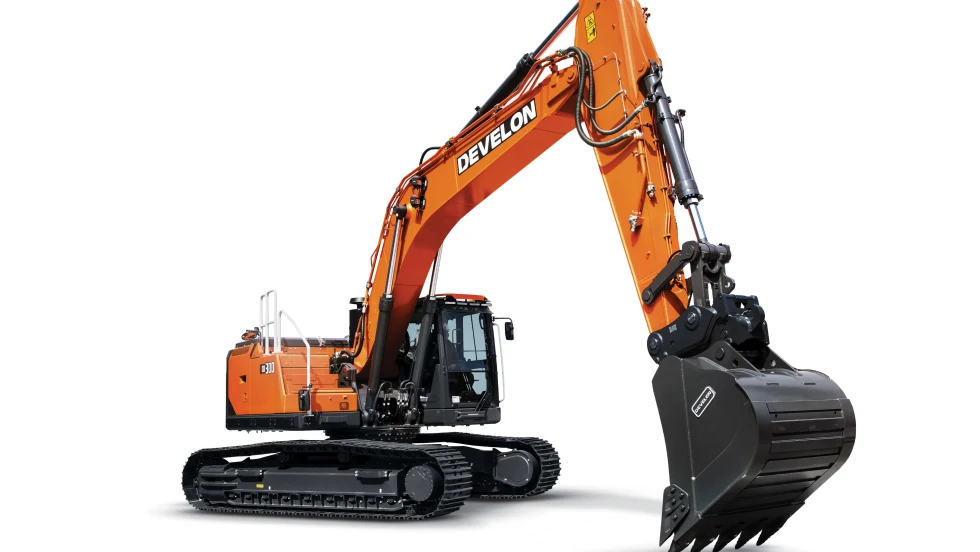
DEVELON Adds DX300LC-9 Excavator to -9 Series
For public works operations handling infrastructure, road, and utility projects, DEVELON has added a new 33-metric-ton excavator to its equipment lineup. The DX300LC-9 combines updated controls with technology designed to address operator safety, equipment monitoring, and machine operation.
Read More →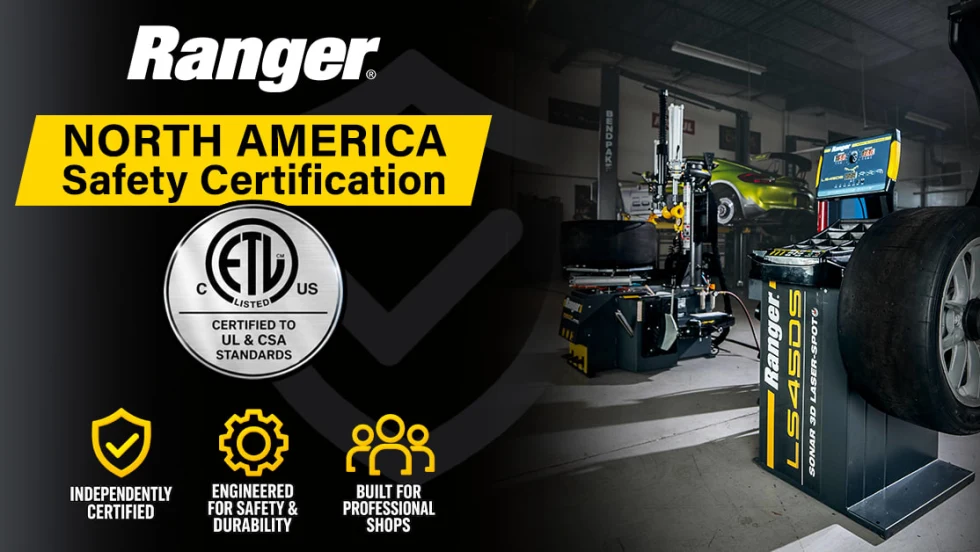
BendPak Ranger Wheel Service Equipment Receives Safety Certification
Equipment used every day in fleet maintenance shops comes with its own set of safety considerations. Following an 18-month redesign and testing process, BendPak's Ranger tire changers and wheel balancers have received certification to applicable U.S. and Canadian safety standards.
Read More →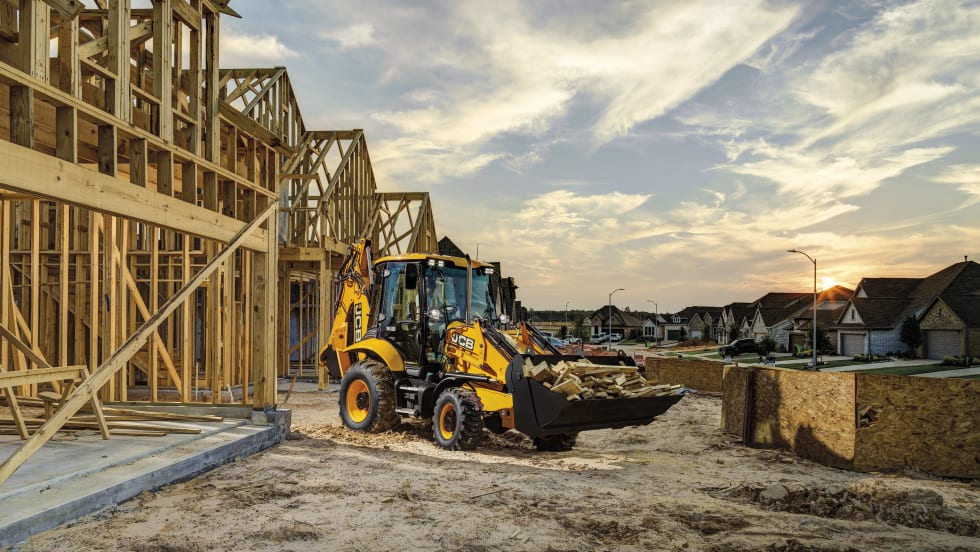
JCB Introduces Dual Drive System for Backhoe Loaders
Public works operators traditionally switch positions and controls each time they reposition a backhoe during excavation. JCB's new Dual Drive system is designed to allow operators to move the machine while remaining at the excavator controls.
Read More →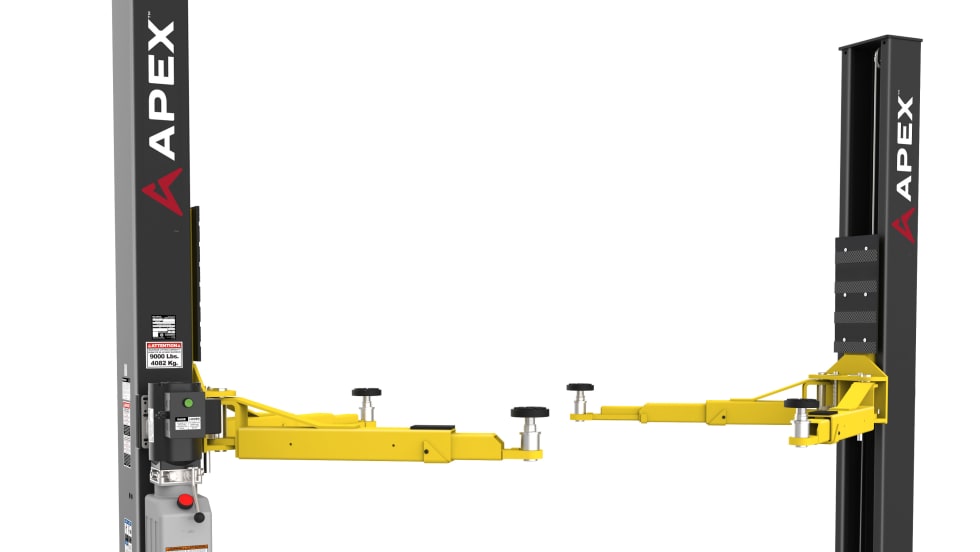
APEX by BendPak Launches AL9LC Two-Post Lift
The new low-ceiling floorplate car lift is designed to maximize overhead clearance for fleets.
Read More →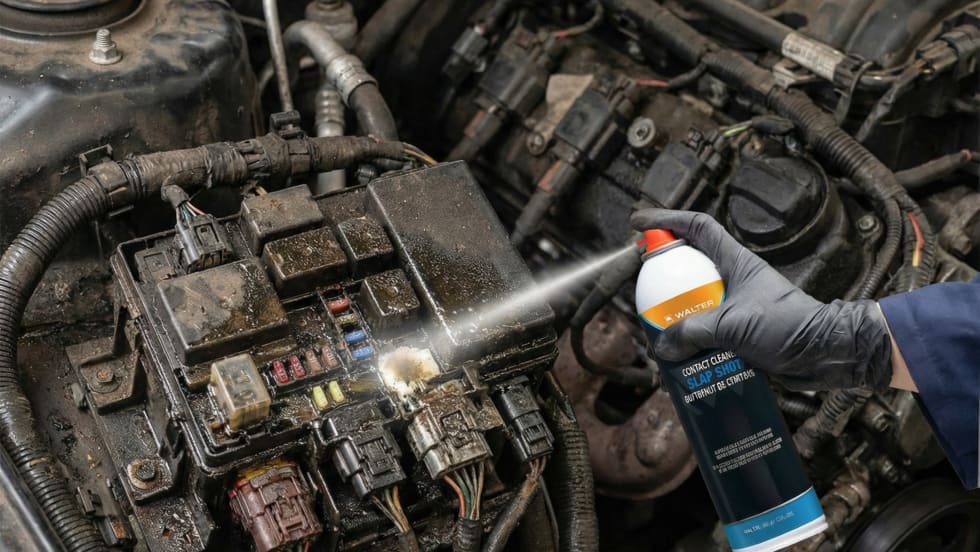
New Slap Shot Contact Cleaner: Heavy-Duty Cleaning Power Without the Residue
Slap Shot Contact Cleaner combines fast contaminant removal, rapid evaporation, moisture displacement, no-wipe cleaning, non-conductive performance, and residue-free cleaning into a single solution.
Read More →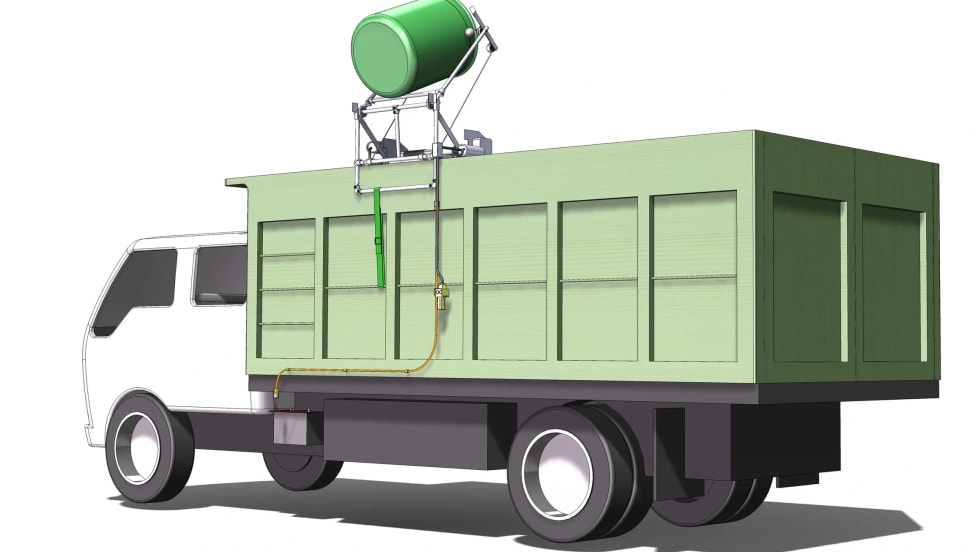
New Powered Carry Barrel Lift Helps Crews Dump Heavy Barrels Into Trucks With Less Manual Lifting
The Carry Barrel Lift is a new truck-mounted attachment designed to help landscape and municipal crews lift and dump heavy 60-gallon barrels more efficiently while reducing manual strain.
Read More →