




Caterpillar Rolls Toward Smarter Asphalt Compaction
The manufacturer’s latest B-Series tandem vibratory roller models boast improvements in auto-adjustable compaction and mapping for pass count and temperature.
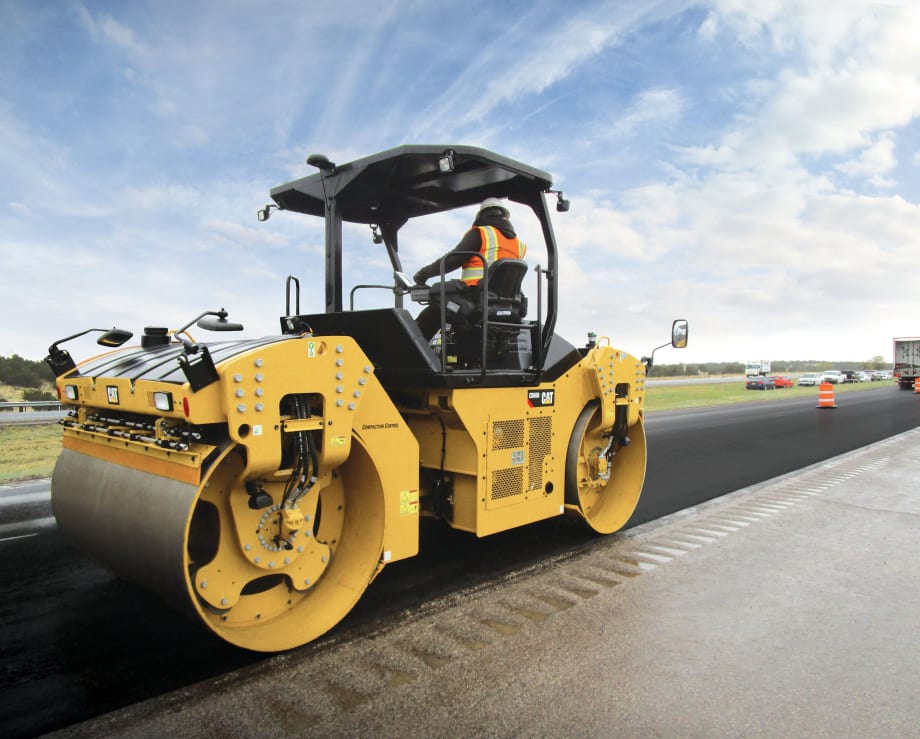
Caterpillar’s B-Series roller uses global navigation satellite system positioning to correlate compaction, frequency, and pass-count data to specific locations. Photo courtesy of Caterpillar
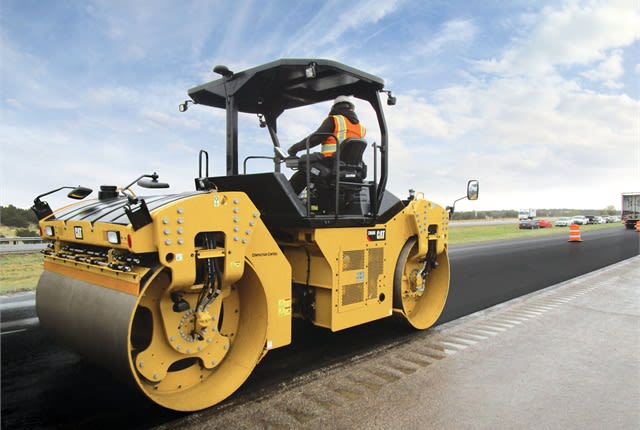
Caterpillar’s B-Series roller uses global navigation satellite system positioning to correlate compaction, frequency, and pass-count data to specific locations. Photo courtesy of Caterpillar
Caterpillar’s new B-Series tandem vibratory asphalt roller models include a range of advancements in intelligent compaction technology to improve operator control and deliver higher quality compaction, the manufacturer reported.
These models — the CB64B, CB66B, and CB68B — feature technological improvements made possible through Cat Compaction Control, Caterpillar’s intelligent compaction suite.
Providing 4 Layers of Compaction Control
The suite’s first offering consists of dual air-purged, infrared temperature sensors that are integrated into the front and rear of the machine, said Bryan Downing, global sales support consultant for Caterpillar. The output is viewable on the standard machine LCD display.
“The lead sensor relative to the direction of travel is active, measuring the surface temperature of the asphalt layer before the roller passes over the surface and alters the temperature,” Downing explained. “This provides the operator with real-time temperature measurement so he or she can ensure compaction is taking place within the optimal temperature range.”
The suite’s second offering features satellite-mapping instruments that document machine location or tie temperature sensor measurements with the location where they’re taken. Combined with the temperature sensors, the satellite mapping can document and ensure consistent pass count and full coverage of the asphalt layer within the optimal temperature.
“This is perfect for documenting the compaction uniformity and consistency, which is necessary for delivering quality compaction,” Downing said.
The suite’s third item is an accelerometer that’s mounted to the front drum of the asphalt compactor. This new addition facilitates an output indicating material stiffness, including the asphalt layer and the sub-layers below.
The Cat Compaction Control suite’s final offering — automatic adjustable compaction — delivers independent control of amplitude for both the front and rear drums. This technology also measures indications of stiffness and applies the maximum amount of energy the mat can accept.
“The highest amplitude potential is created in the initial passes,” Downing explained. “As the mat density increases, the system automatically decreases the amplitude to only apply as much energy as the mat can take. This will generate the quickest compaction growth.”
The automatic adjustable compaction system also prevents over-compaction and aggregate fracture, Downing said.
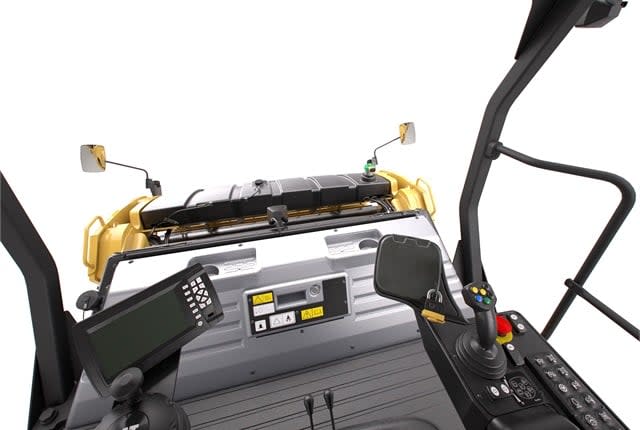
The operator’s control station comes with standard 180-degree seating and optional 360-degree positioning. A color display allows the operator to monitor areas of coverage and the number of passes made. Photo courtesy of Caterpillar
A Tier 4 Final-Compliant Engine
The 142-hp Cat C4.4 ACERT engine is Tier 4 final-compliant and comes standard with Eco mode and automatic speed control.
These models also feature a newly designed center-articulating hitch with six degrees of oscillation to ensure mat contact and a smoother ride over uneven surfaces. An offset hitch option extends coverage up to 6 inches and simplifies control next to obstacles.
The CB64B is equipped with 79-inch drums, while the CB66B and CB68B use 84-inch drums.
The models offer a range of vibratory options, including dual amplitude, dual frequency, Versa Vibe, and five amplitude systems. The high-capacity water spray system on these models includes dual spray bars, dual pumps, triple filtration, adjustable intermittent operation, and an optional freeze protection kit.
More Equipment
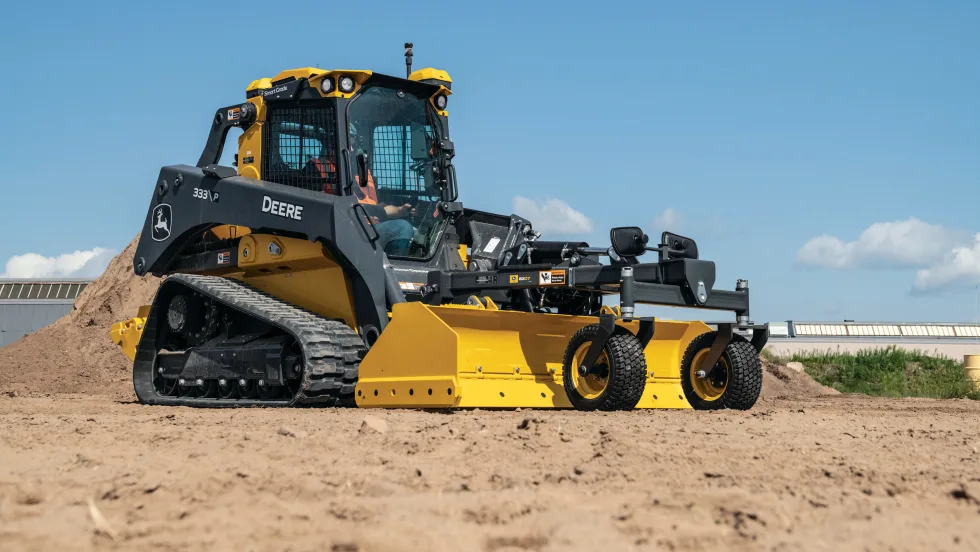
John Deere Adds SmartGrade Box Blades, Fire Suppression Option
John Deere is expanding the capabilities of its compact track loaders with new grading attachments and an equipment protection option. The additions include two SmartGrade box blades for the 333 and 335 P-Tier models and an integrated fire suppression system for large-frame machines.
Read More →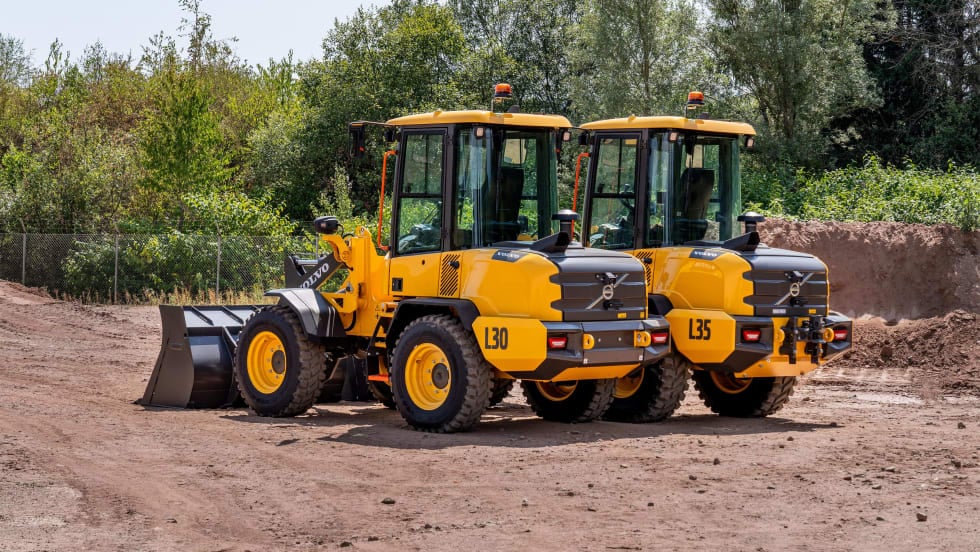
Volvo Updates L30 and L35 Compact Wheel Loaders With Redesigned Rear Frame
The updates aim to provide customers with more flexibility to use the machines for different jobs while improving service access and everyday operation.
Read More →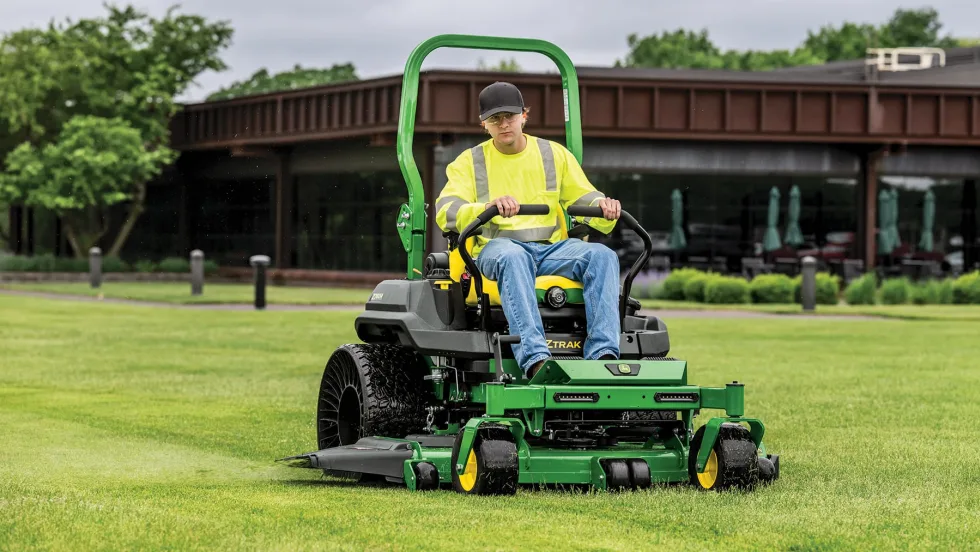
John Deere Updates Z700 ZTrak Commercial Mower Lineup
Public agencies responsible for maintaining large properties have several updated mower options from John Deere. The refreshed Z700 ZTrak lineup adds upgraded engines, transmissions, mower decks, and operator features across four models.
Read More →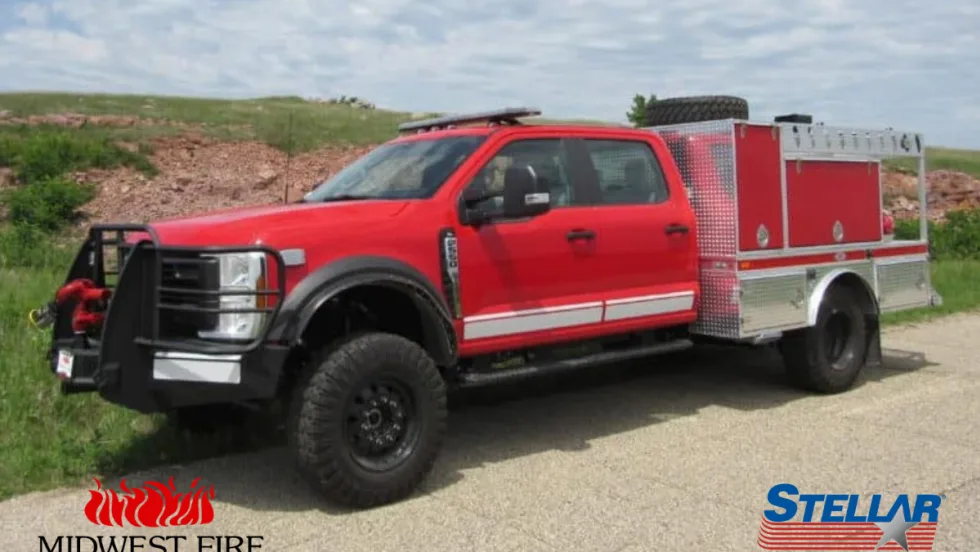
Stellar Industries Acquires Midwest Fire
The acquisition brings a manufacturer of custom fire apparatus under Stellar Industries, expanding the work-truck manufacturer into the fire and emergency response market. Midwest Fire will continue operating from its existing Minnesota headquarters as a distinct company.
Read More →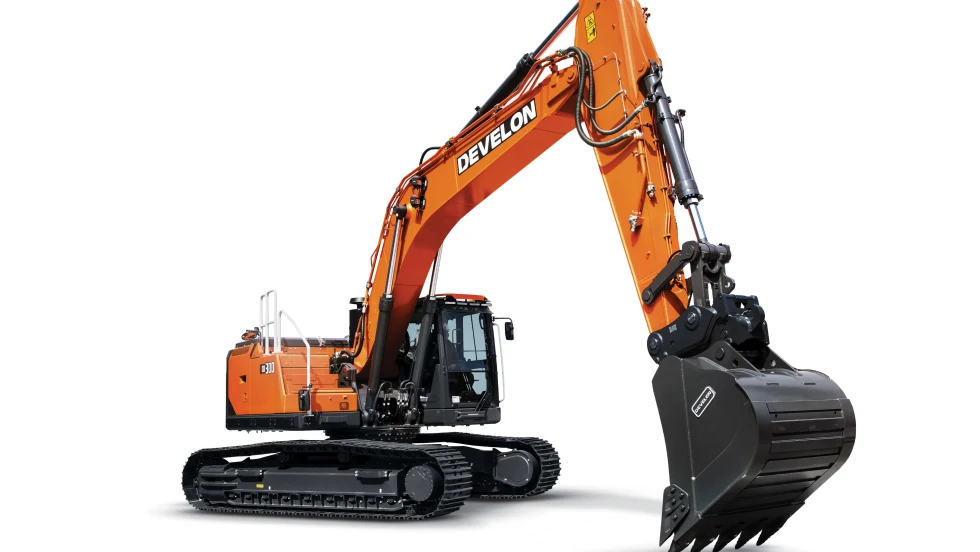
DEVELON Adds DX300LC-9 Excavator to -9 Series
For public works operations handling infrastructure, road, and utility projects, DEVELON has added a new 33-metric-ton excavator to its equipment lineup. The DX300LC-9 combines updated controls with technology designed to address operator safety, equipment monitoring, and machine operation.
Read More →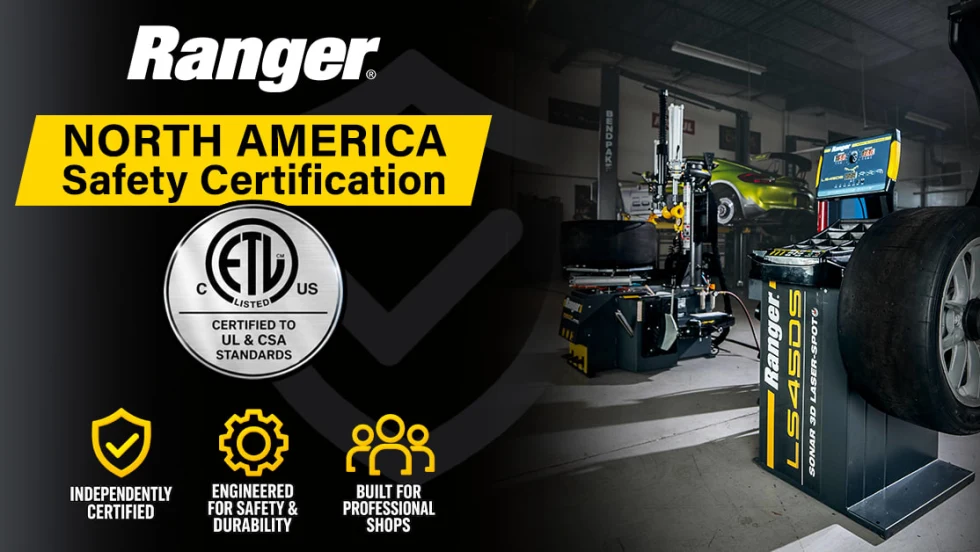
BendPak Ranger Wheel Service Equipment Receives Safety Certification
Equipment used every day in fleet maintenance shops comes with its own set of safety considerations. Following an 18-month redesign and testing process, BendPak's Ranger tire changers and wheel balancers have received certification to applicable U.S. and Canadian safety standards.
Read More →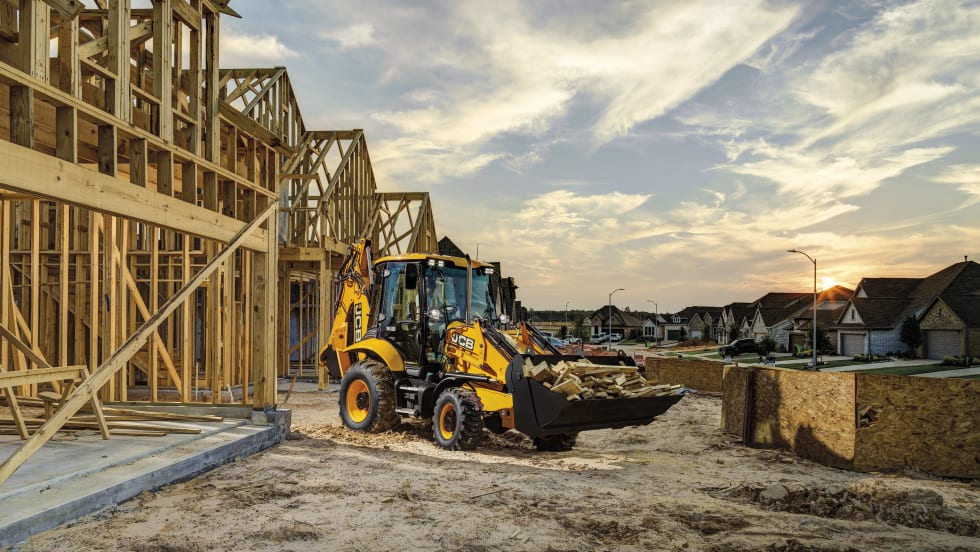
JCB Introduces Dual Drive System for Backhoe Loaders
Public works operators traditionally switch positions and controls each time they reposition a backhoe during excavation. JCB's new Dual Drive system is designed to allow operators to move the machine while remaining at the excavator controls.
Read More →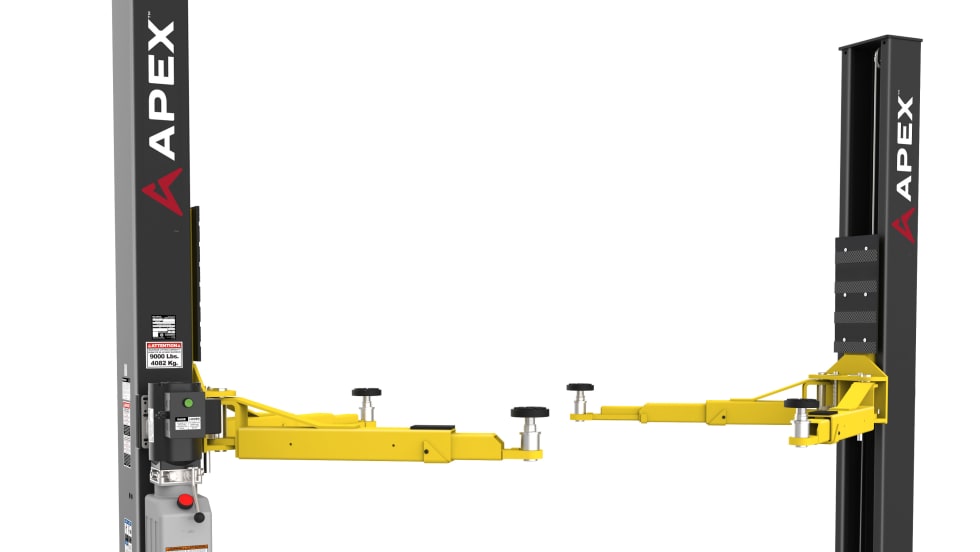
APEX by BendPak Launches AL9LC Two-Post Lift
The new low-ceiling floorplate car lift is designed to maximize overhead clearance for fleets.
Read More →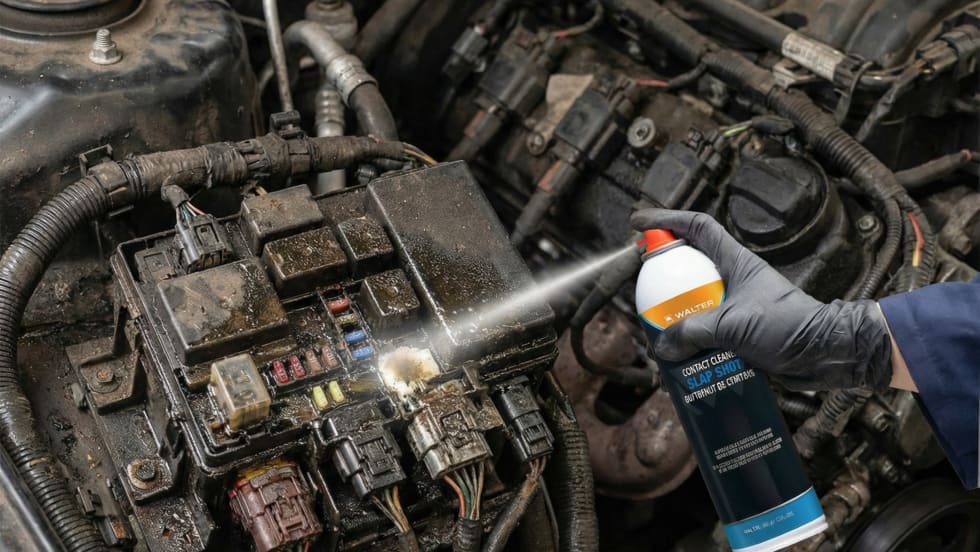
New Slap Shot Contact Cleaner: Heavy-Duty Cleaning Power Without the Residue
Slap Shot Contact Cleaner combines fast contaminant removal, rapid evaporation, moisture displacement, no-wipe cleaning, non-conductive performance, and residue-free cleaning into a single solution.
Read More →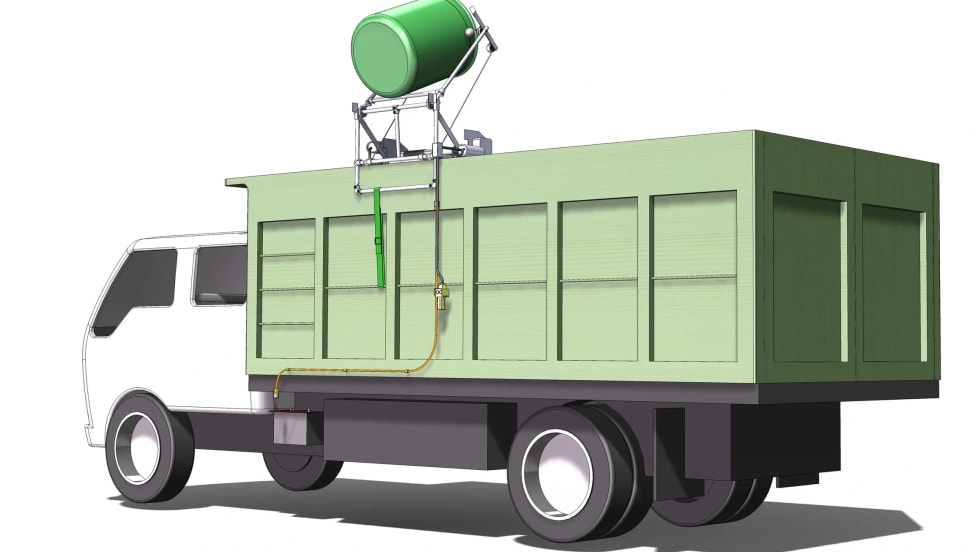
New Powered Carry Barrel Lift Helps Crews Dump Heavy Barrels Into Trucks With Less Manual Lifting
The Carry Barrel Lift is a new truck-mounted attachment designed to help landscape and municipal crews lift and dump heavy 60-gallon barrels more efficiently while reducing manual strain.
Read More →