




A Smarter, Semi- Automatic Excavator
Komatsu’s second-generation PC210LCi excavator features Intelligent Machine Control for greater efficiency and ease of use.
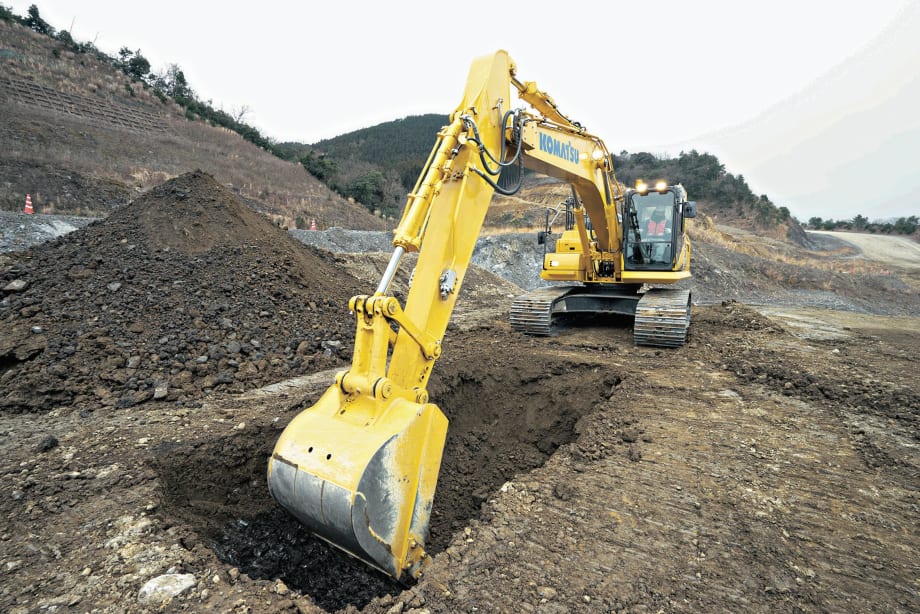
The PC210LCi-11’s Intelligent Machine Control is based on Komatsu’s own sensor package, which includes stroke sensing hydraulic cylinders, an inertial measurement unit sensor, and global navigation satellite system antennas. Photo courtesy of Komatsu
The PC210LCi-11’s Intelligent Machine Control is based on Komatsu’s own sensor package, which includes stroke sensing hydraulic cylinders, an inertial measurement unit sensor, and global navigation satellite system antennas. Photo courtesy of Komatsu
Komatsu’s new PC210LCi- 11 hydraulic excavator with Intelligent Machine Control builds on the success of the PC210LCi first-generation model, enhancing overall efficiency, according to Komatsu America Corp.
A notable addition is greater machine-control joystick functionality compared to the PC210LCi-10. Frequently used machine-control functions are now located on the operator’s control lever. The result is greater operator convenience, Komatsu said.
Intelligent Machine Control
Komatsu’s Intelligent Machine Control provides up to a 63% improvement in excavating efficiency over a standard PC210LC-11 excavator and traditional staking/grade-checking methods, the manufacturer said. Consequently, public works departments can lower costs associated with grading dozers and grade checkers as well as costs arising from over-excavating.
“This excavator is productive and precise enough to be a fixture on jobsites from basement and foundation pads to utility work,” said Sebastian Witkowski, product marketing manager for Komatsu America. “In addition to the industry-leading efficiency all machine owners look for, the added convenience of the machine- control joystick functionality should make operators happy too.”
Minimizes Over-Excavation
The factory-installed Intelligent Machine Control system delivers semi-automatic operation of work equipment. The integrated system comes standard with stroke sensing hydraulic cylinders, global navigation satellite system components, and an inertial measurement unit sensor. The Intelligent Machine Control uses 3D design data loaded in the control box to precisely check its position against the target. If the bucket hits the target surface, it’s semi-automatically limited to minimize over-excavation, according to the manufacturer. If the operator turns off auto mode, the excavator can be operated with highly accurate and responsive machine guidance.
While engaging the auto grade assist function, the operator moves the arm and the boom adjusts the bucket height automatically and traces the target surface to minimize digging too deep. As a result, the operator can perform rough digging without worrying about the design surface, and perform fine digging by operating the arm lever only. The operator can further expand the working range by holding the lever to move the boom downward, Komatsu explained. During boom or bucket operation, the work equipment automatically comes to a halt when the bucket edge reaches the design surface.
The PC210LCi-11 excavator controls the bucket by automatically selecting the point on the bucket closest to the target surface. If the machine isn’t facing a sloped surface at a right angle, the excavator will still follow the target surface and minimize digging below it.
The machine’s Komatsu SAA6D107E-3 165-hp diesel engine is Tier 4 Final certified.
More Equipment
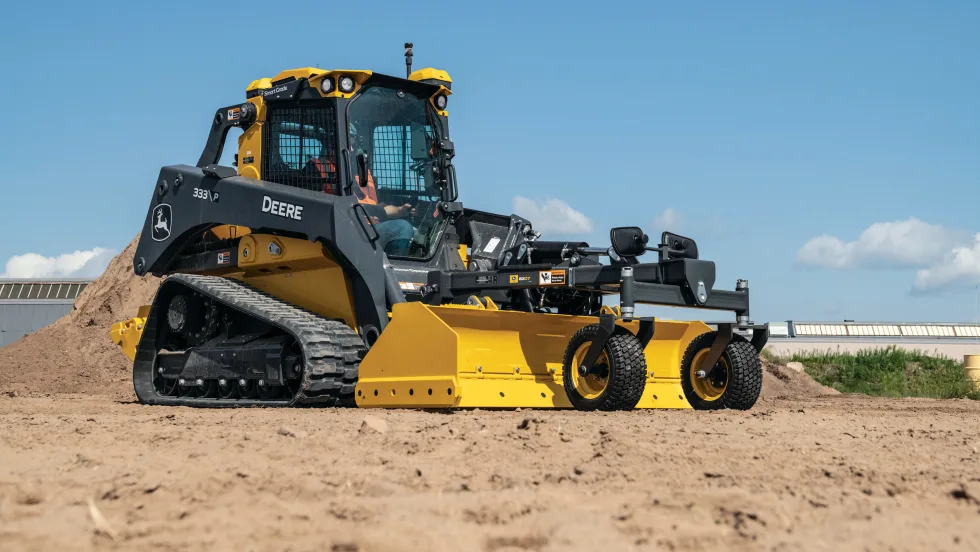
John Deere Adds SmartGrade Box Blades, Fire Suppression Option
John Deere is expanding the capabilities of its compact track loaders with new grading attachments and an equipment protection option. The additions include two SmartGrade box blades for the 333 and 335 P-Tier models and an integrated fire suppression system for large-frame machines.
Read More →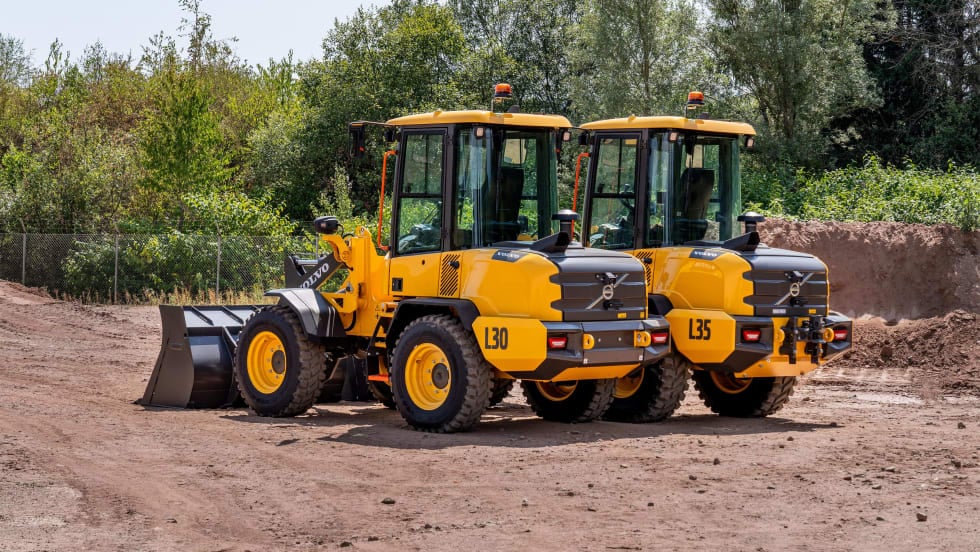
Volvo Updates L30 and L35 Compact Wheel Loaders With Redesigned Rear Frame
The updates aim to provide customers with more flexibility to use the machines for different jobs while improving service access and everyday operation.
Read More →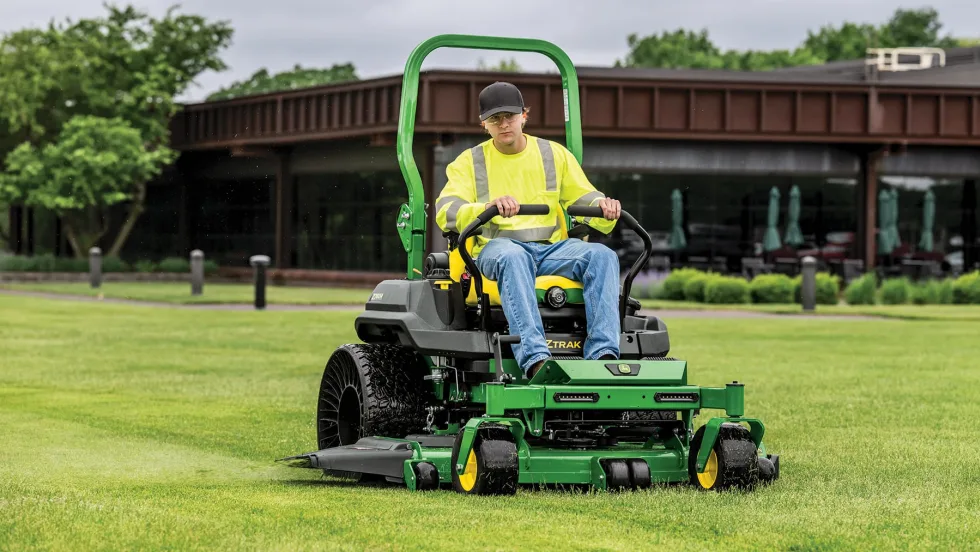
John Deere Updates Z700 ZTrak Commercial Mower Lineup
Public agencies responsible for maintaining large properties have several updated mower options from John Deere. The refreshed Z700 ZTrak lineup adds upgraded engines, transmissions, mower decks, and operator features across four models.
Read More →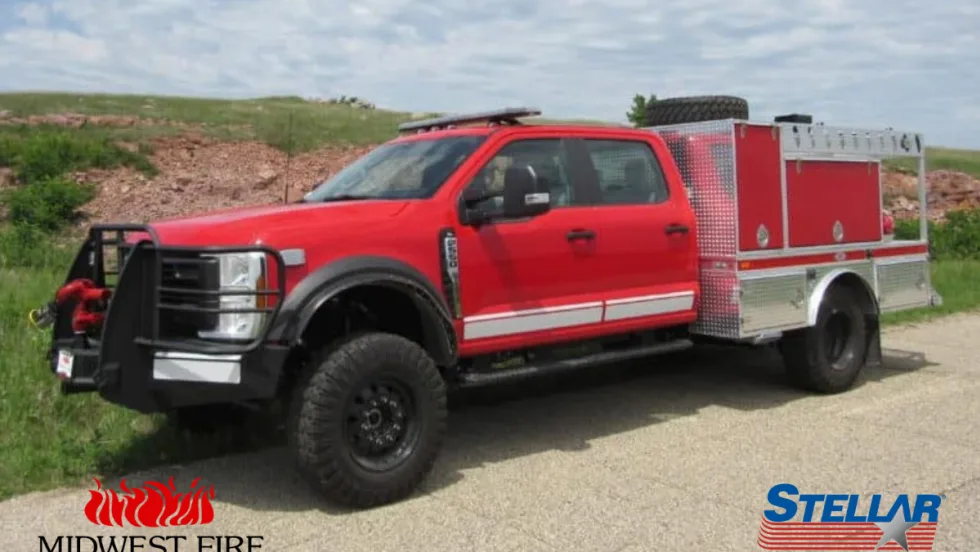
Stellar Industries Acquires Midwest Fire
The acquisition brings a manufacturer of custom fire apparatus under Stellar Industries, expanding the work-truck manufacturer into the fire and emergency response market. Midwest Fire will continue operating from its existing Minnesota headquarters as a distinct company.
Read More →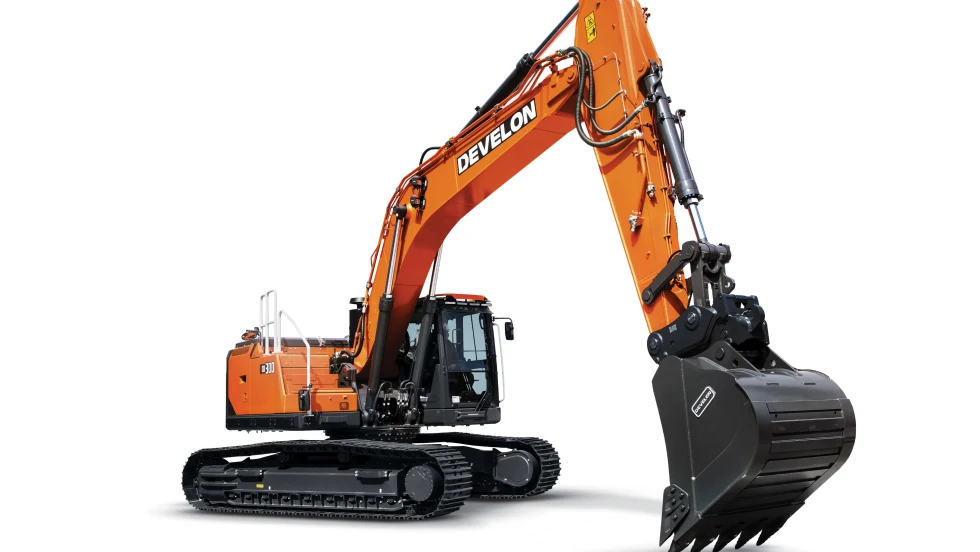
DEVELON Adds DX300LC-9 Excavator to -9 Series
For public works operations handling infrastructure, road, and utility projects, DEVELON has added a new 33-metric-ton excavator to its equipment lineup. The DX300LC-9 combines updated controls with technology designed to address operator safety, equipment monitoring, and machine operation.
Read More →
BendPak Ranger Wheel Service Equipment Receives Safety Certification
Equipment used every day in fleet maintenance shops comes with its own set of safety considerations. Following an 18-month redesign and testing process, BendPak's Ranger tire changers and wheel balancers have received certification to applicable U.S. and Canadian safety standards.
Read More →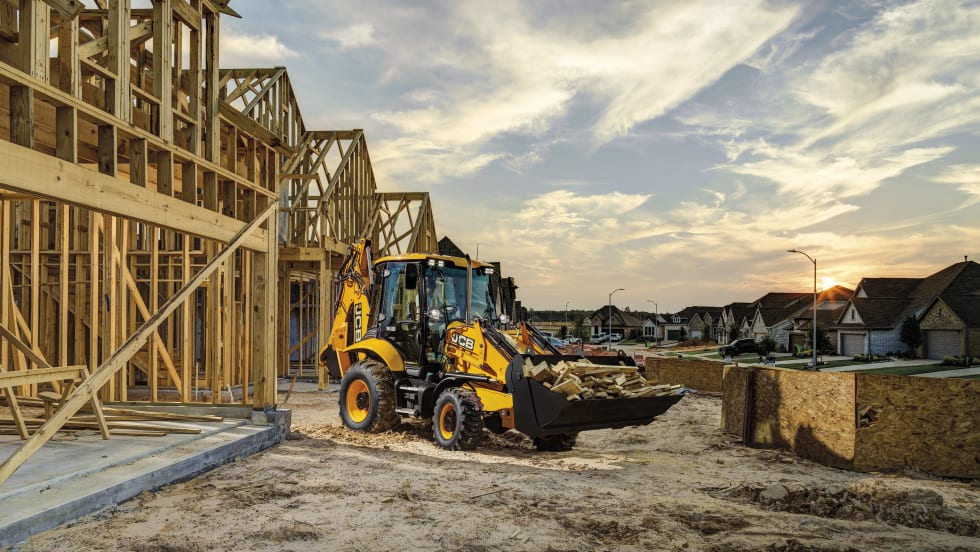
JCB Introduces Dual Drive System for Backhoe Loaders
Public works operators traditionally switch positions and controls each time they reposition a backhoe during excavation. JCB's new Dual Drive system is designed to allow operators to move the machine while remaining at the excavator controls.
Read More →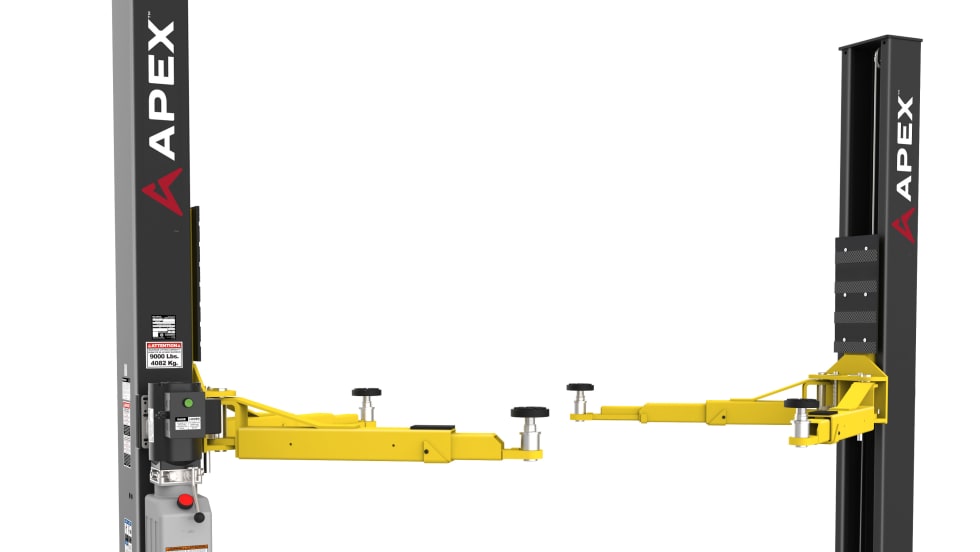
APEX by BendPak Launches AL9LC Two-Post Lift
The new low-ceiling floorplate car lift is designed to maximize overhead clearance for fleets.
Read More →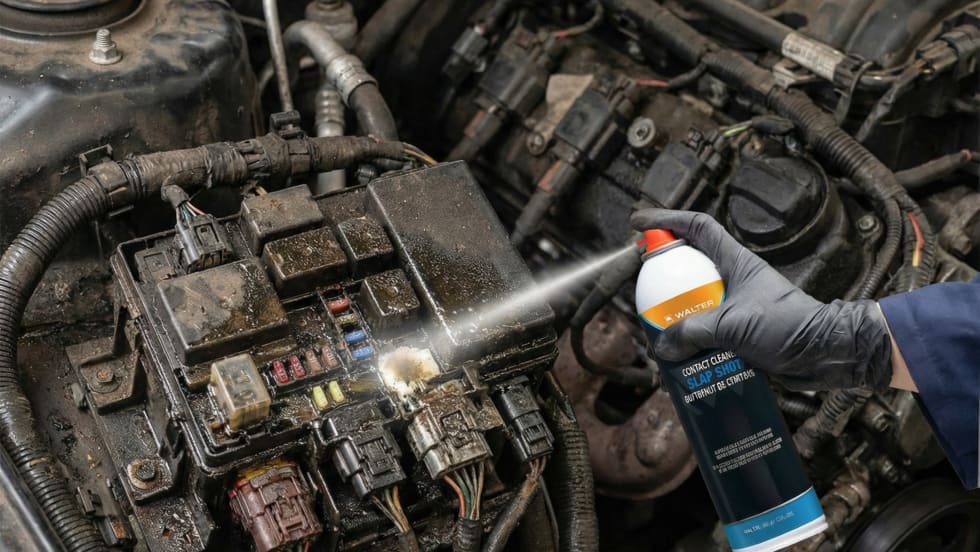
New Slap Shot Contact Cleaner: Heavy-Duty Cleaning Power Without the Residue
Slap Shot Contact Cleaner combines fast contaminant removal, rapid evaporation, moisture displacement, no-wipe cleaning, non-conductive performance, and residue-free cleaning into a single solution.
Read More →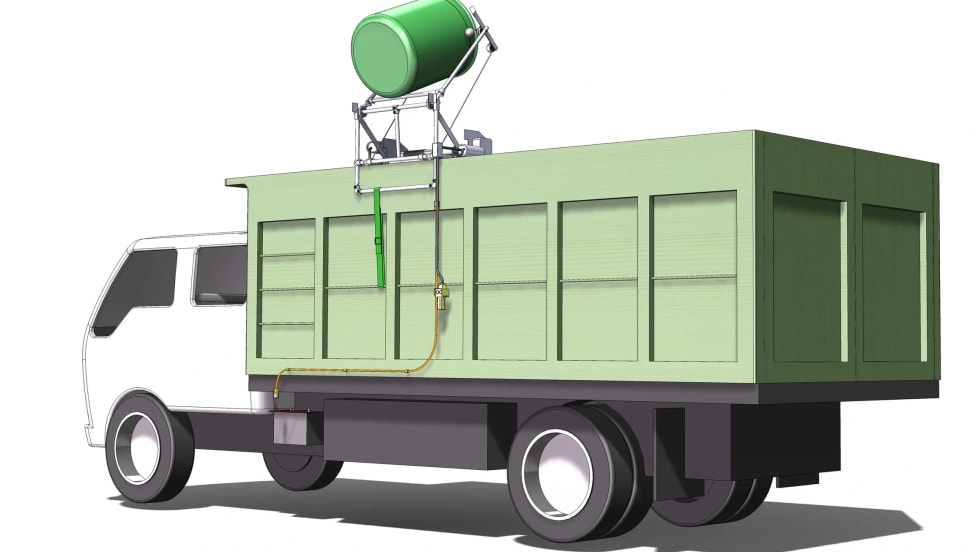
New Powered Carry Barrel Lift Helps Crews Dump Heavy Barrels Into Trucks With Less Manual Lifting
The Carry Barrel Lift is a new truck-mounted attachment designed to help landscape and municipal crews lift and dump heavy 60-gallon barrels more efficiently while reducing manual strain.
Read More →