




Similar Content: Better Management Through Adapting to Change
5 Tips for Growth as a Fleet Manager
Simply listening to your technicians and drivers can make a world of difference when it comes to increasing efficiency and fostering an environment of respect.

Lexi Tucker・Senior Editor
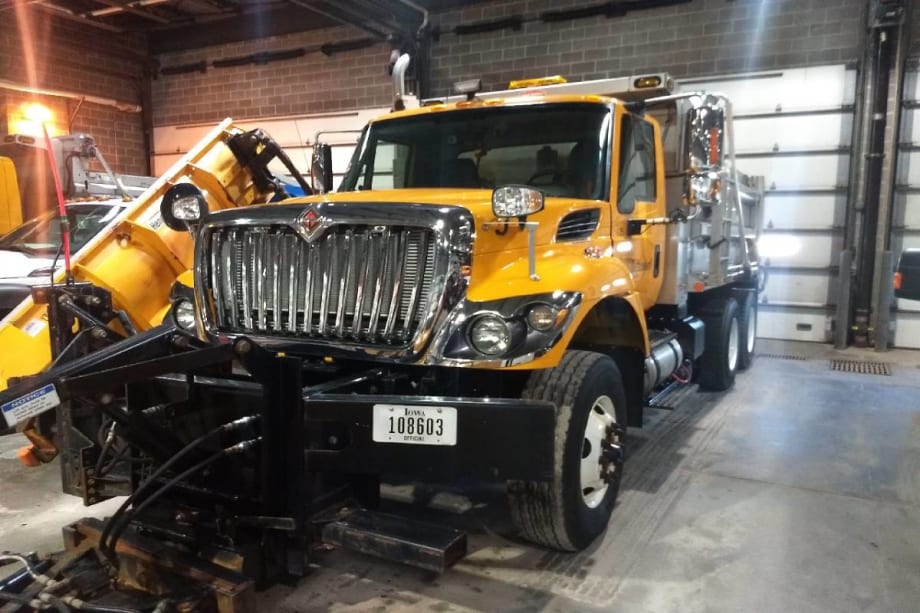
Simply listening to your technicians and drivers can make a world of difference when it comes to increasing efficiency and fostering an environment of respect.
Photo: City of Bettendorf, Iowa
3 min to read
As a technician, Mark Garrow, transit/garage manager for the City of Bettendorf, Iowa, appreciated learning about and adapting to new technology. As the years went by and he accrued experience, he felt he could make a bigger impact from a management standpoint. With this exciting and challenging endeavor came many lessons he feels will be of use to others breaking into higher levels of government service.
Put Yourself in an Employee’s Shoes
Think back to when you were being managed by someone: what helped you grow, and what made life harder?
“I try to factor in all the different experiences I’ve had that have made me better and pass that on in my interactions with my team,” he said.
Management is a Life-Long Learning Experience
Look into classes you can take or books you can read, and attend trade or networking events to learn from those who’ve been managing fleets for years.
“I've done a lot of studying, and my experience has helped with the knowledge aspect of the job. I’ve also had to learn some things on the computer side, and part of earning the respect of others is to show you are a willing student when it comes to what you don’t know,” he said.
You Can’t be a Manager without People to Lead
Don’t be a lone wolf — talk to technicians and drivers and ask for feedback on everything from vehicle specs to procedures that can be streamlined.
“I bring important bits and pieces to it, but I don't know everything. I try to approach it as a team effort, and I think people respect that. It's not ‘my way or the highway’; it’s ‘we're in this together,’” he said.
Take Calculated Risks
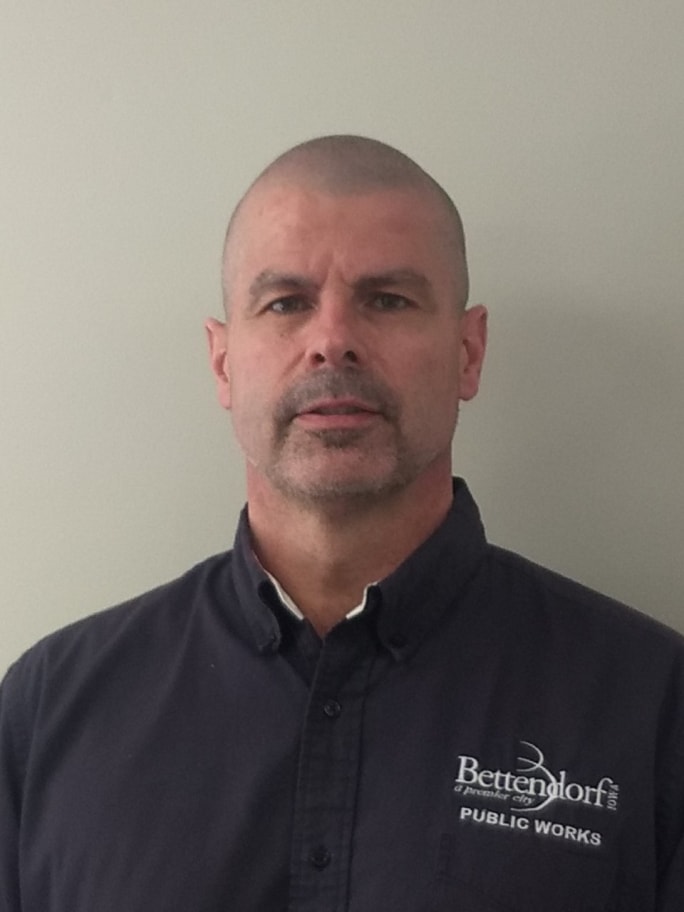
Mark Garrow
No one ever got anywhere by doubting themselves. If you hear about something departments in other cities are doing, experiment in a way that might benefit your own fleet.
“Say you’re trying a new type of equipment as a part of a pilot program. If it works, great! If not, document what you learned from the mistake and move on,” he said.
Stay Informed and Adapt When it Comes to the Future of Fleet — Particularly Electric Vehicles
The city of Bettendorf has also been working toward implementing alternative fuel vehicles, mainly its bus fleet. As the current EV technology stands, Garrow said he’s waiting until charging technology can enable a bus to run for a whole shift before needing to be charged. He’s excited to research more options as the technology increases in reliability.
Also in the realm of pursuing a more environmentally-friendly operation is the department’s paperless repair order system for its technicians. This has cut down on redundancy and paper usage, and saved a lot of time.
Editor's Note: This article was original published in 2021 and was last updated in May 2024 for continued relevancy.
Subscribe to Our Newsletter
More Operations

Is Keeping Older Fleet Vehicles Really Saving Money?
Is keeping vehicles longer saving money, and what happens when a diagnostic test points to the wrong fix?
Read More →
How Smart Fleet Strategy Can Help Local Government Agencies Do More with Less
Keeping a vehicle longer may ease this year’s budget, but what does it cost the next one? A closer look at fleet decisions can reveal opportunities to reduce spending while protecting essential services.
Read More →
Connect with Government Fleet on LinkedIn
From industry news and fleet management strategies to conversations with peers, Government Fleet's LinkedIn page offers public-sector fleet professionals another way to stay informed and connected.
Read More →
Town of Queen Creek Named Most Successful Fleet Award Winner of Inaugural RTA Fleet Success Awards
Five fleets were honored at RTA Connect 2026 in Chicago for excellence across resource efficiency, intentional culture, risk management, and stakeholder satisfaction.
Read More →
Sponsored•October 14, 2026
A buyer's guide to fleet management software in 2027
Buying fleet management software in 2027 means looking beyond features and price. As fleet operations, technology and expectations evolve, this guide explores what today’s fleet professionals should consider when choosing a system that can deliver value now and adapt to what comes next.
Read More →
Hazard Alerts, Fleet Car Sales Rise and a New Shuttle Concept
Fleet car sales doubled, but the bigger picture tells a different story in this week’s roundup.
Read More →
How St. Johns County Turned Fleet Data Into Better Replacement Decisions
St. Johns County, Florida, had fleet data, but turning it into reliable decision guidance was another matter. Instead of starting over with a new fleet management system, the county connected existing tools and built a scoring system that gives managers an objective look at fleet health.
Read More →
Fleet Forward Conference Introduces One-Day Passes for 2026
New one-day registration lets fleet professionals attend Tuesday, Wednesday, or Thursday, with passes available for $249.
Read More →
ENC Unveils its ZAVIR Medium-Duty Shuttle
Two variants of the concept shuttles were revealed: a low-floor configuration and a high-floor configuration.
Read More →
Could Your Next Fleet Technician Start as an Intern?
What if your next technician hasn’t worked in a fleet shop yet? What fleets are doing to free up time.
Read More →