




10 Tips for Spec'ing & Maintaining Sewer Cleaners
Sewer cleaning trucks help ensure a clean city, free from clogged drainage systems. Properly spec’ing and maintaining this equipment requires careful planning and a clear strategy.
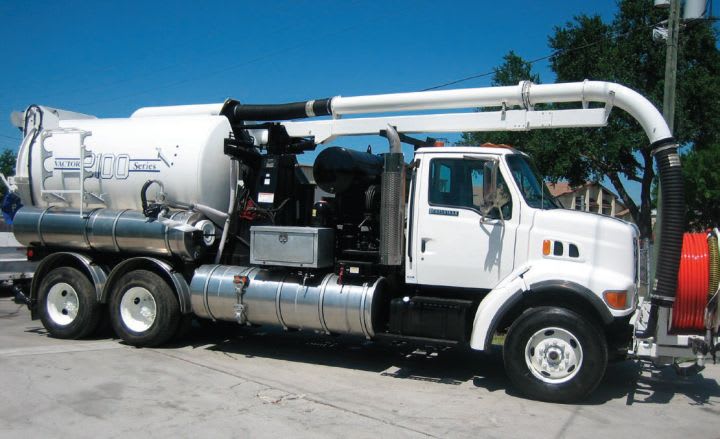
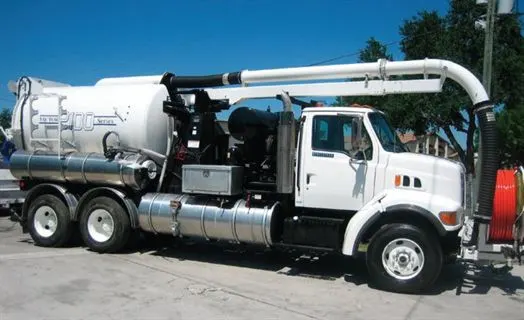
In the hierarchy of mobile equipment, sewer cleaning trucks may not command the priorities of police cars, refuse trucks, or fire equipment, but they represent big investments that can make or break a public sector fleet’s budget.
With reductions in fleet sizes and a noticeable trend toward leasing and seasonal rentals, the owned trucks represent an important investment that must be protected and maintained to provide years of dependable performance as well strong resale at trade-in time.
The following 10 tips will help spec the right sewer cleaning truck and maintain the equipment to achieve optimum machine life and resale value.
1. Don’t over-spec.
When purchasing a sewer cleaning truck, work with a factory-trained sales representative who will help spec the right equipment based on how the machine will be used. Understand the 80-15-5 rule. What will the machine do 80 percent of the time, 15 percent of the time, and 5 percent of the time? In most cases, the truck should be spec’ed to meet the 80-percent requirement.
Productivity enhancements are available to satisfy the remaining 15 to 20 percent of necessary applications, but you must determine whether they’re worth the additional cost.
For example, there may be an occasional need for hydro-excavation capability, but it might make more sense to hire an outside hydro-excavation contractor instead of spec’ing seldom-needed expensive extras.
2. Don’t under-spec.
Be sure to get “all the truck” needed to meet fleet requirements, and keep in mind an under-spec’ed sewer cleaning truck won’t bring a strong resale value. Is a fan machine or a positive displacement (PD) blower needed? Let a dealer sales rep help evaluate these considerations to ensure the spec’ed truck is the truck you need.
3. Spec for service, parts & loaner availability.
When issuing a request for proposal (RFP) for new equipment, spec the availability of service, parts, and rental or loaner equipment for short-term replacements. It might be possible to save a few dollars purchasing from a dealer who can’t dependably provide parts, service, and loaner equipment, but you’ll pay in the long-term through lost productivity if these capabilities aren’t required from your dealer at the time of purchase.
4. Develop a trade-in cycle strategy.
With good preventive maintenance, a properly spec’ed sewer cleaning truck should last up to 10 years; however, the optimum trade cycle may be closer to 5 years. From a resale standpoint, the used market is always looking for well-maintained, five-year-old machines.
[PAGEBREAK]
5. Invest in preventive maintenance.
While many public sector fleets and private contractors are doing more of their own equipment maintenance in-house, specialized pieces of equipment, such as sewer cleaning trucks, occasionally require specialists to address certain maintenance issues. Taking a sewer cleaning truck to an experienced dealer may also save time and money in the long run.
6. Sign up for a full-service maintenance contract.
Full-service maintenance plans offering scheduled maintenance conducted by dealer specialist technicians are strongly recommended. This type of maintenance contract offers several advantages, including the flexibility to plan and control expenditures, improved cash flow, optimum sewer cleaning truck use, and reduced operating costs.
Machines on a routine maintenance program also command a higher resale value. As the saying goes, “Pay me now (for maintenance) or pay me later (in reduced trade-in value).”
7. Get serious about training.
Take full advantage of dealer- and manufacturer-provided training, including operator, safety, and maintenance. Your dealer should provide operator and maintenance training at the time your sewer cleaning truck is delivered.
This is the time to ask all the questions and get a solid understanding of machine operation and maintenance issues. An ongoing commitment to training is a great way to keep productivity high and ensure optimum resale values.
8. Listen to the truck.
Paying attention to the sound and feel of the sewer cleaning truck during operation is crucial. Early problem detection not only protects a machine’s resale value, it also can significantly reduce repair costs and associated downtime.
9. Read the manual.
A new sewer cleaning truck will be delivered with an operator’s manual that should be read cover-to-cover by all operators. The manual should be kept in the truck at all times. In addition, periodically review the manual with all operators to refresh their knowledge.
10. Prep your truck for trade-in.
When it’s time to sell the machine, be sure it’s in top shape. Replace worn tires, hoses, and any other worn parts that detract from the machine’s value. Change all fluids and thoroughly clean the machine to put your best foot forward. Be certain everything is working on the machine. A copy of all maintenance records is a real plus.
Keep in mind purchasing a sewer cleaning truck is just the beginning of the product’s lifecycle. Following these tips for spec’ing and maintaining the truck should help achieve not only high productivity with minimal downtime, but also a high trade-in value at the end of the cycle. It’s a big investment, and one worth protecting.
Jack Doheny is president of Doheny Supplies, Northville, Mich. He can be reached at (248) 349-0904. Jim Schwaller is president of Environmental Products of Florida, Winter Park, Fla. He can be reached at (407) 798-0004.
More Equipment
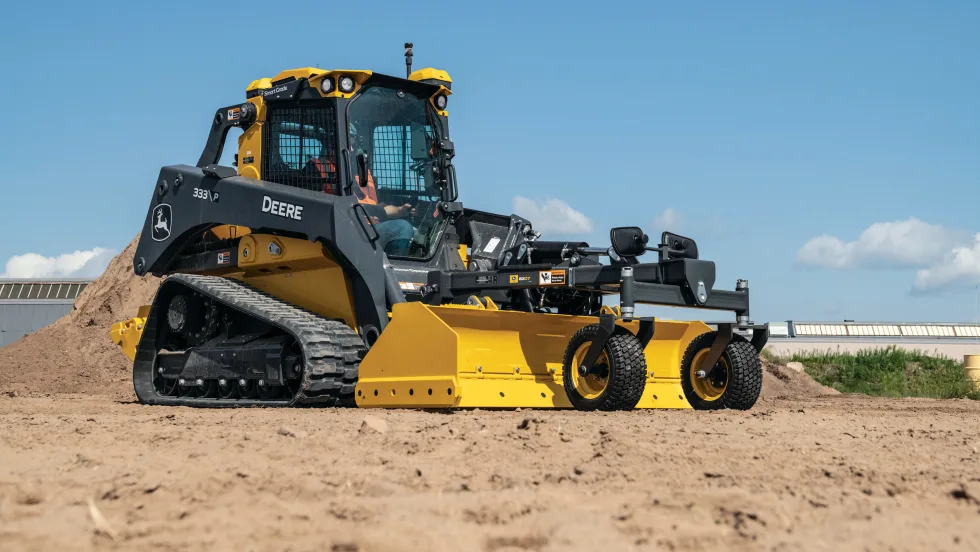
John Deere Adds SmartGrade Box Blades, Fire Suppression Option
John Deere is expanding the capabilities of its compact track loaders with new grading attachments and an equipment protection option. The additions include two SmartGrade box blades for the 333 and 335 P-Tier models and an integrated fire suppression system for large-frame machines.
Read More →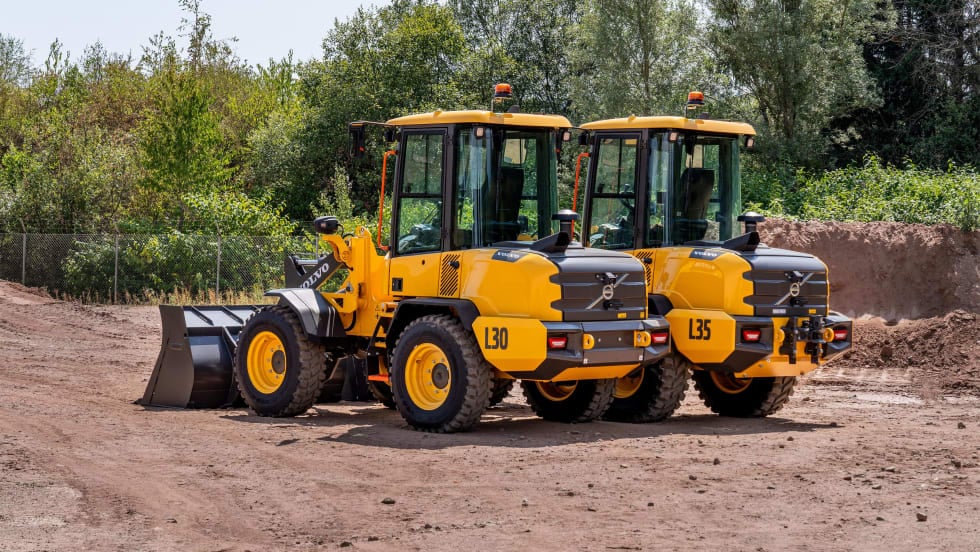
Volvo Updates L30 and L35 Compact Wheel Loaders With Redesigned Rear Frame
The updates aim to provide customers with more flexibility to use the machines for different jobs while improving service access and everyday operation.
Read More →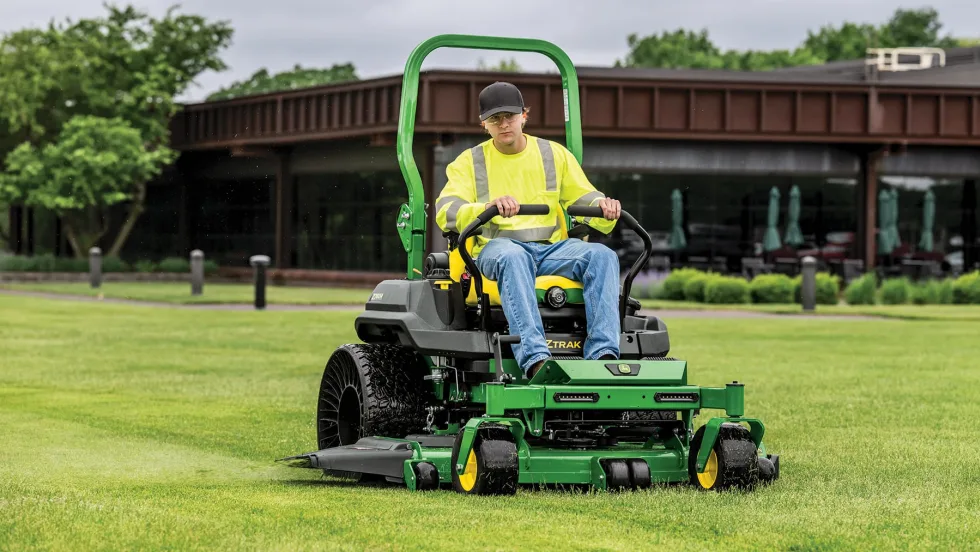
John Deere Updates Z700 ZTrak Commercial Mower Lineup
Public agencies responsible for maintaining large properties have several updated mower options from John Deere. The refreshed Z700 ZTrak lineup adds upgraded engines, transmissions, mower decks, and operator features across four models.
Read More →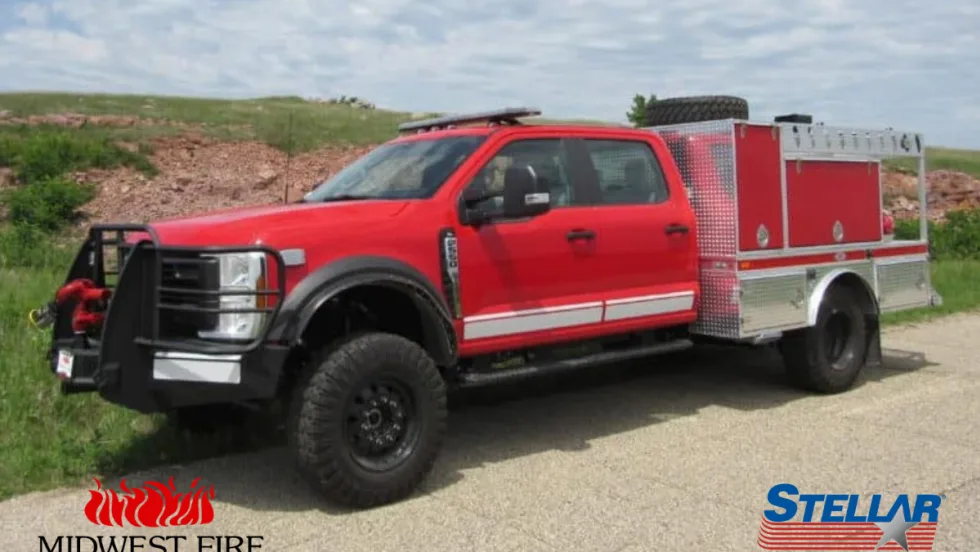
Stellar Industries Acquires Midwest Fire
The acquisition brings a manufacturer of custom fire apparatus under Stellar Industries, expanding the work-truck manufacturer into the fire and emergency response market. Midwest Fire will continue operating from its existing Minnesota headquarters as a distinct company.
Read More →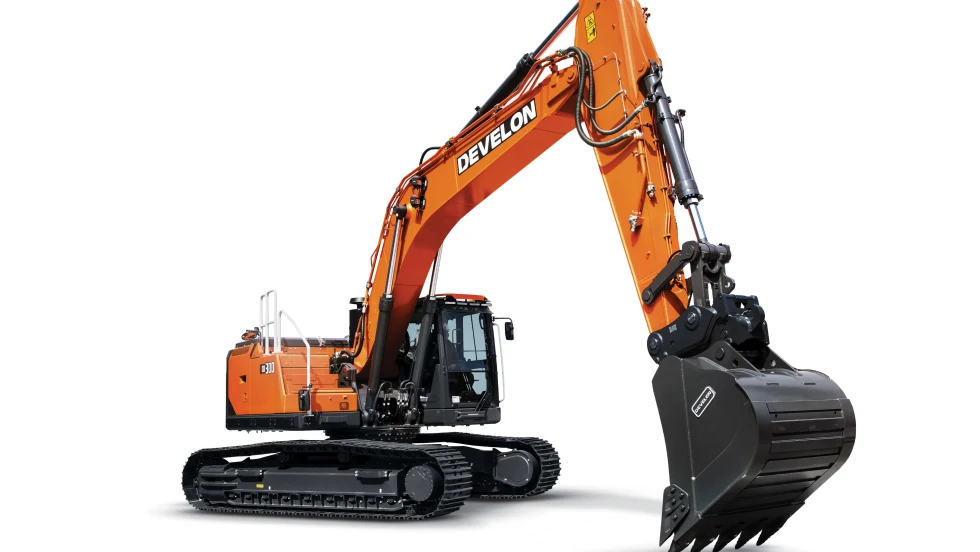
DEVELON Adds DX300LC-9 Excavator to -9 Series
For public works operations handling infrastructure, road, and utility projects, DEVELON has added a new 33-metric-ton excavator to its equipment lineup. The DX300LC-9 combines updated controls with technology designed to address operator safety, equipment monitoring, and machine operation.
Read More →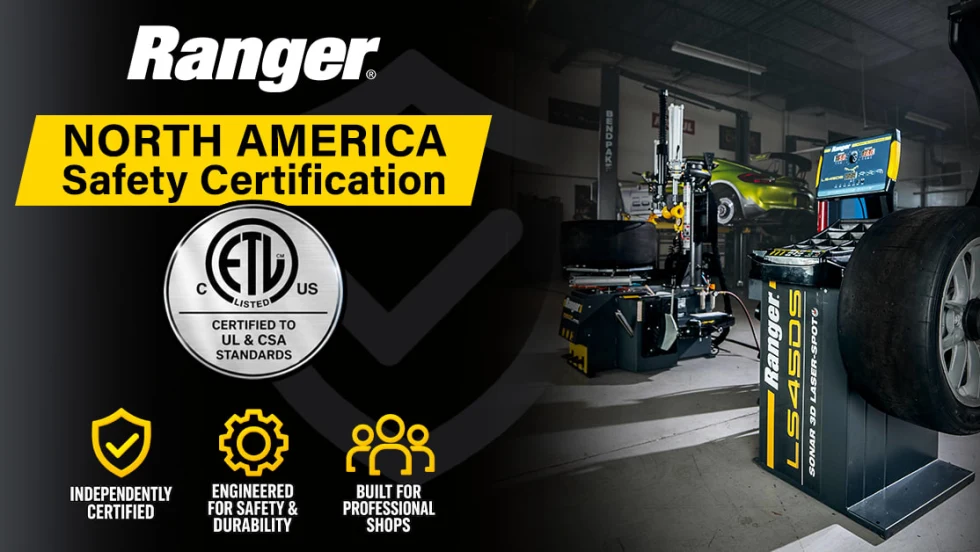
BendPak Ranger Wheel Service Equipment Receives Safety Certification
Equipment used every day in fleet maintenance shops comes with its own set of safety considerations. Following an 18-month redesign and testing process, BendPak's Ranger tire changers and wheel balancers have received certification to applicable U.S. and Canadian safety standards.
Read More →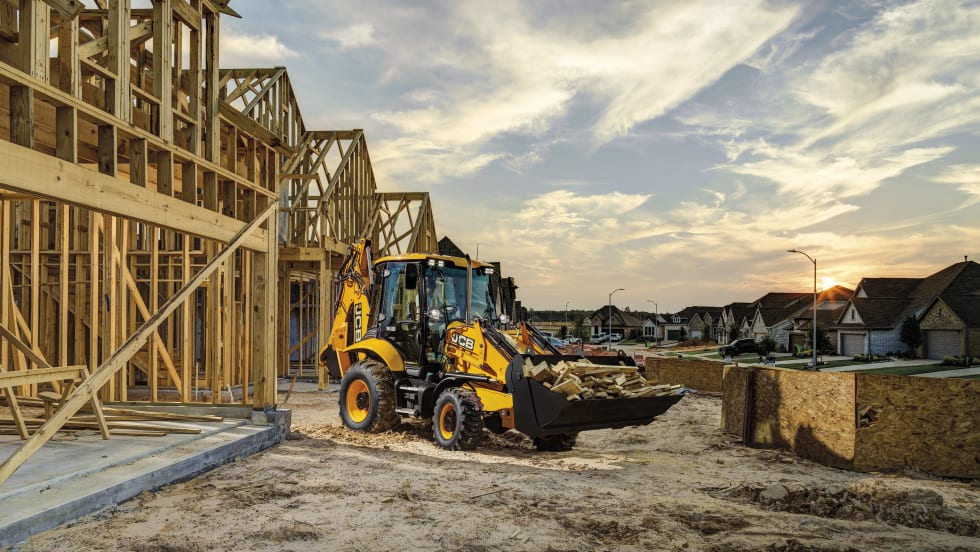
JCB Introduces Dual Drive System for Backhoe Loaders
Public works operators traditionally switch positions and controls each time they reposition a backhoe during excavation. JCB's new Dual Drive system is designed to allow operators to move the machine while remaining at the excavator controls.
Read More →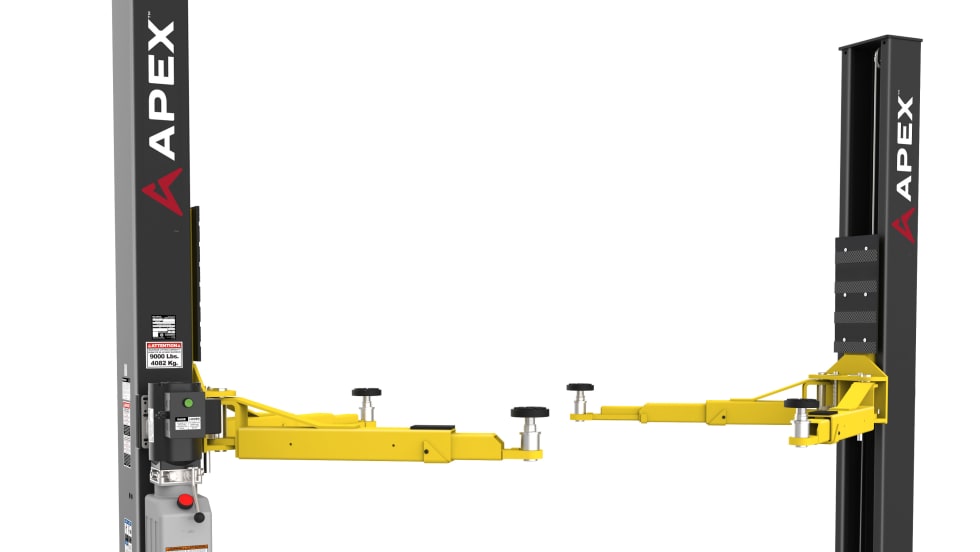
APEX by BendPak Launches AL9LC Two-Post Lift
The new low-ceiling floorplate car lift is designed to maximize overhead clearance for fleets.
Read More →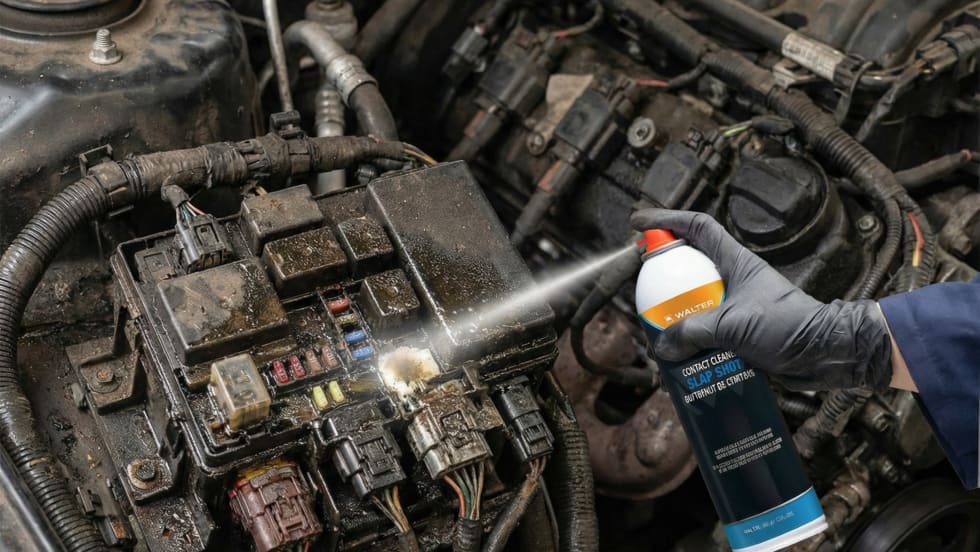
New Slap Shot Contact Cleaner: Heavy-Duty Cleaning Power Without the Residue
Slap Shot Contact Cleaner combines fast contaminant removal, rapid evaporation, moisture displacement, no-wipe cleaning, non-conductive performance, and residue-free cleaning into a single solution.
Read More →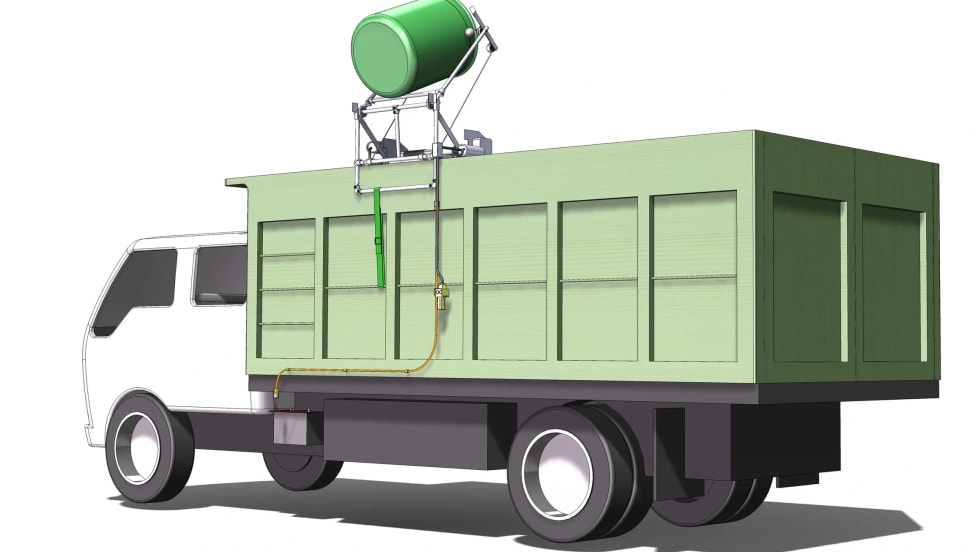
New Powered Carry Barrel Lift Helps Crews Dump Heavy Barrels Into Trucks With Less Manual Lifting
The Carry Barrel Lift is a new truck-mounted attachment designed to help landscape and municipal crews lift and dump heavy 60-gallon barrels more efficiently while reducing manual strain.
Read More →