




6 Questions About the 2015 Ford F-150
The truck's body is made of high-strength, military-grade aluminum alloy, which Ford says will not only reduce weight but also improve payload, towing, and fuel efficiency.

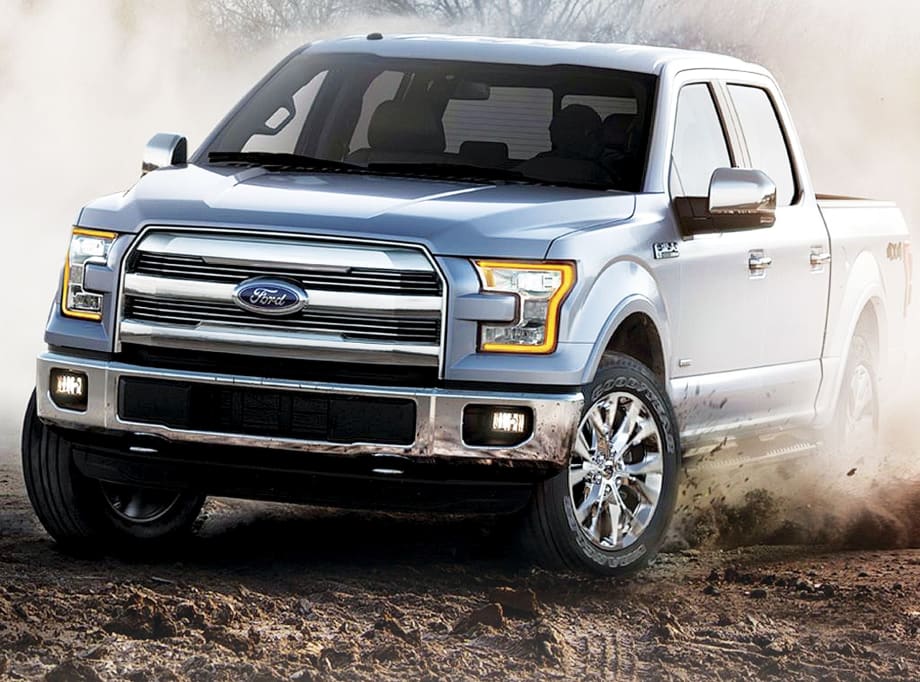
Photo courtesy of Ford
In January, Ford announced its 2015 F-150 truck would have an aluminum-alloy body, a change the company said would reduce the vehicle’s weight by 700 lbs., or 15%.
The truck features a frame made with more high-strength steel than before. The truck's body is made of high-strength, military-grade aluminum alloy, which Ford says will not only reduce weight but also improve payload, towing, and fuel efficiency.
The 2015 F-150 will be on sale late this year. What should fleet managers know about the vehicle and its new aluminum body? Government Fleet asked Mike Levine, Ford truck communications manager, questions we had (or have heard) about the truck.
1. What will be the cost difference for the aluminum-body truck? While high-strength aluminum alloy is more expensive than steel on a pound-for-pound basis, we’ve developed manufacturing efficiencies to reduce this cost as much as possible. We will discuss pricing closer to launch.
2. What is the expected MPG? The all-new Ford F-150 will be our most fuel-efficient yet. We still need to complete the fuel efficiency certification process and will discuss details closer to launch.
3. Does weighing 700 lbs. less affect the truck’s capability? Yes, it will enhance capability. Light weighting and improved capability aren’t mutually exclusive. As we remove weight from the F-150, we’re able to give our customers additional towing and payload capability because the truck can perform additional work with less effort, a key benefit of reducing weight.
4. How will aluminum affect body repair? Ford has used aluminum in body parts for years, such as in the hood of the 1997-2014 F-150. In many cases, the all-new F-150 may be easier to repair due to its innovative modular design. The majority of collision repairs can be completed by most body shops today, such as bumpers, grilles, mirrors, dings, and dents. Major collision repairs should be performed by aluminum-capable Ford dealers or independent body shops.
5. Will customers have to worry about corrosion? The high strength, military-grade, aluminum alloy in the new F-150 does not produce red rust like steel. We have gone to great lengths to develop coatings that will inhibit corrosion.
6. How is aluminum more “dent resistant” than steel in the previous F-150? We’ve improved dent resistance over the previous model in two ways: The high-strength aluminum alloy we use in the body is thicker than the steel we use in the previous model, and we have engineered reinforcement panels beneath the aluminum to help withstand impacts.
More Articles

Rethinking Fleet Decisions From the Budget Office to the Shop
This October we looked back at how public fleets are reconsidering familiar processes and using what they learn to make better decisions.
Read More →
Element Pay Introduces Cardless Fuel Payments with Spending Controls
Fuel purchasing can be difficult to monitor across departments, vehicles, and drivers. Element Fleet Management's new payment system aims to give public fleet managers greater visibility into transactions while helping prevent unauthorized spending before it occurs.
Read More →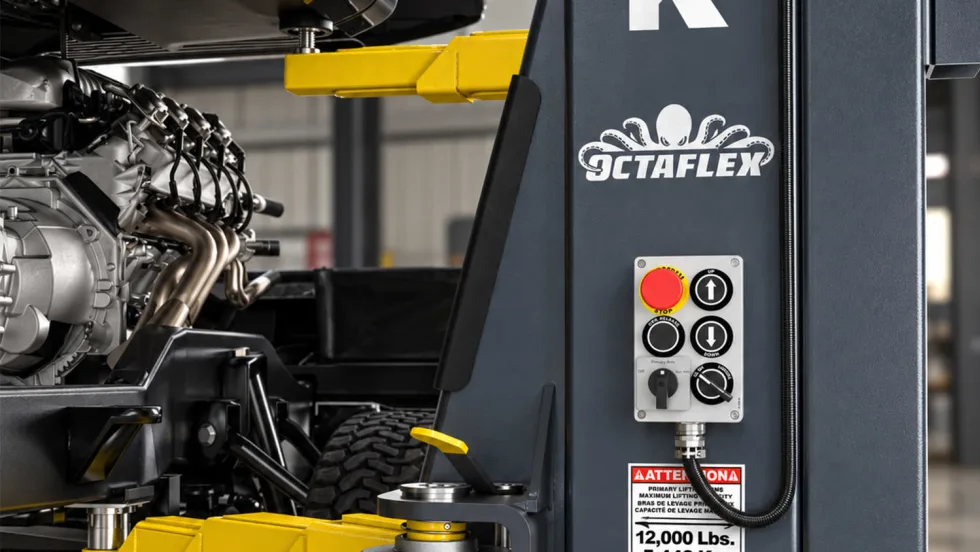
BendPak Introduces Eight-Arm Lift for Fleet Maintenance Shops
A new two-post lift combines traditional vehicle lifting with a separate system for handling heavy components. The design could help public fleet technicians complete complex repairs in a single service bay while reducing the need for additional lifting equipment.
Read More →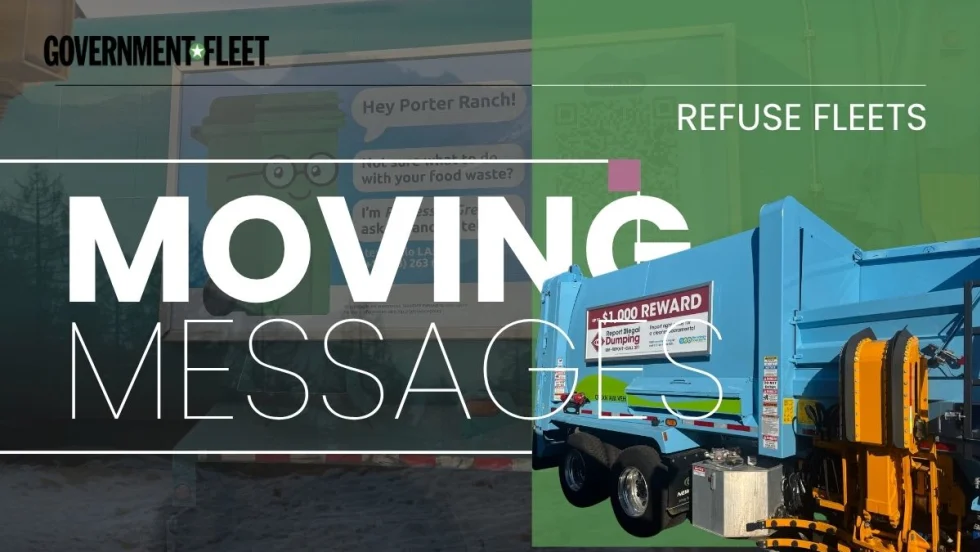
Who Owns the Message on a Refuse Truck?
Refuse trucks can carry public messages into neighborhoods, but keeping those messages current takes planning and clear responsibility.
Read More →
What Public Fleets Should Ask Before Buying Technology
Public fleets have more technology options, but choosing a system requires looking beyond price and checking whether it delivers the results they need.
Read More →
Advance the Technology, But Put People First
Before investing in the next fleet advancement, consider what the people expected to make it work still need from their leaders and each other.
Read More →
Who Deserves Fleet Recognition and What Could You Teach at GFX?
Who helped shape your fleet career, and what have you learned that could help someone else?
Read More →
What’s Haunting Public Sector Fleets?
Public sector fleet challenges rarely happen in isolation, and addressing one often means understanding how it connects to another.
Read More →
Is Keeping Older Fleet Vehicles Really Saving Money?
Is keeping vehicles longer saving money, and what happens when a diagnostic test points to the wrong fix?
Read More →
How Smart Fleet Strategy Can Help Local Government Agencies Do More with Less
Keeping a vehicle longer may ease this year’s budget, but what does it cost the next one? A closer look at fleet decisions can reveal opportunities to reduce spending while protecting essential services.
Read More →