




What Public Fleets Should Ask Before Buying Technology
Public fleets have more technology options, but choosing a system requires looking beyond price and checking whether it delivers the results they need.
October 27, 2026

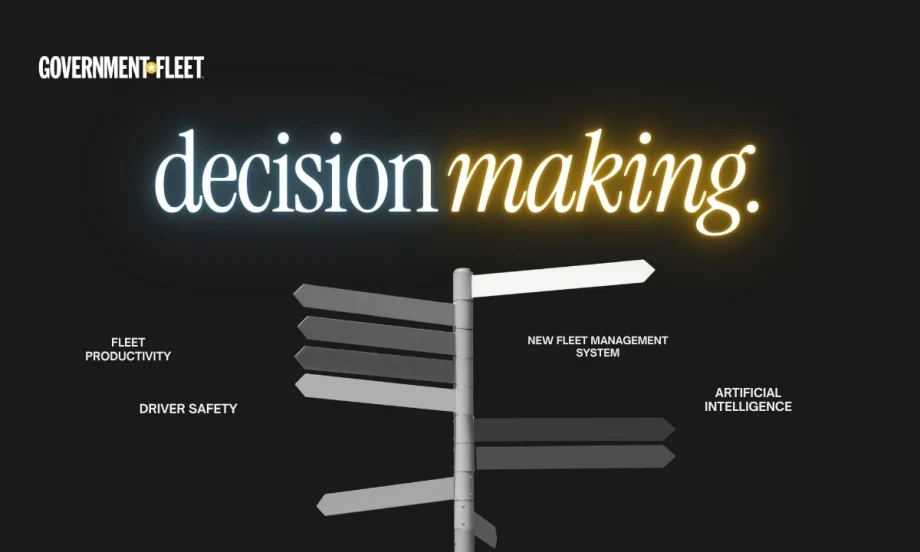
Public fleets have more technology options, but choosing a system requires looking beyond price and checking whether it delivers the results they need.
Credit:
Government Fleet
4 min to read
Feeling like it’s time for a technology shift within your fleet? Maybe you’ve been considering a change to start seeing more progress, but you’re not quite sure what that looks like or where it begins.
The good news is that there are plenty of places fleets can start making small adjustments to the technology running behind the scenes. The goal is to identify which areas you want to improve and what that improvement would look like in your operation.
That might mean spending less time reviewing reports or getting information to the right person sooner. Defining the outcome first gives the fleet something specific to work toward when comparing options.
But before deciding what to change, it helps to understand the challenges your fleet is facing and where technology could help address them. Is the information you need missing, or is it already available but difficult to use? The answer could influence whether you need a new system or a different approach to the one you have.
When the words “challenges” and “government fleets” come up together, there are probably a number of issues fleet managers could name. Electrification, budgeting, labor, the list goes on.
To narrow it down, we turned to Jason Riley, strategic accounts manager at Tyler Technologies, to learn what his team is seeing and how fleets might approach those challenges.
Current Challenges Fleets Are Facing
“What we see facing public municipal fleets today is kind of twofold,” Riley said.
One is the cost of operations, including fuel, labor, and parts. So what can be done to mitigate those costs? Riley pointed to using telematics and artificial intelligence to better predict when components might fail.
Rather than replacing routine preventive maintenance, predictive tools can help fleets identify developing problems and determine when additional attention may be needed.
For fleets evaluating that approach, the question is how those insights would inform maintenance decisions. What information would the system provide, who would review it, and how would the shop act on it? Receiving an alert is one step; having a process to assess it and schedule the work is another.
The second area Riley discussed was visibility into driver behavior. Traditional telematics devices provide information about what a vehicle was doing at a particular date and time. But he said he is seeing operations move toward camera solutions with artificial intelligence to get a view into the cab and better understand what the driver was doing during that same period.
The goal here is to be “coaching-facing, looking for distracted driving, all of that,” Riley said.
For fleets considering cameras, that means thinking through how the information would be used in a coaching conversation. Identifying a behavior gives the fleet something to address, but someone still needs to review the event and follow up with the driver.
How to Prepare for the Fleet’s Future
So, you’ve figured out the specific challenges you want to solve within your fleet. Now it’s time to determine whether your existing technology can help or whether something new is needed
The good news is that there is a multitude of options for fleets to choose from when it comes to managing an operation. The bad news? There is a multitude of options for fleets to choose from when it comes to managing an operation. And that can make decision-making difficult.
With that in mind, where do you start?
When it’s time to evaluate a technology change, Riley encouraged fleets to research their options and look beyond the price.
Fleet leaders can look for examples of other fleets with similar challenges that implemented a system that worked for them. Asking what changed after implementation can make those conversations more useful. Did the system address the original problem? What did employees need to learn, and what would the fleet do differently if it were starting again?
It’s also worth considering a pilot program and using those results to make an informed decision. Establishing what you want to measure before the pilot begins gives everyone a clearer understanding of what success should look like.
“There's not a lack of options right now in the market,” Riley said. “Make sure you're doing your research. Don't just go with the cheapest solution. Check with neighbors around you, [see] what they're using and really validate some of those results.”
Looking at another fleet’s experience can give you a starting point, but the next step is determining how those results relate to your own operation. A system that works well elsewhere still needs to fit the work your employees do and the information they need.
“Don't always trust what the sales guy's pushing to you,” Riley said. “Make sure that it's actually going to produce results that you want.”
Subscribe to Our Newsletter
More Telematics
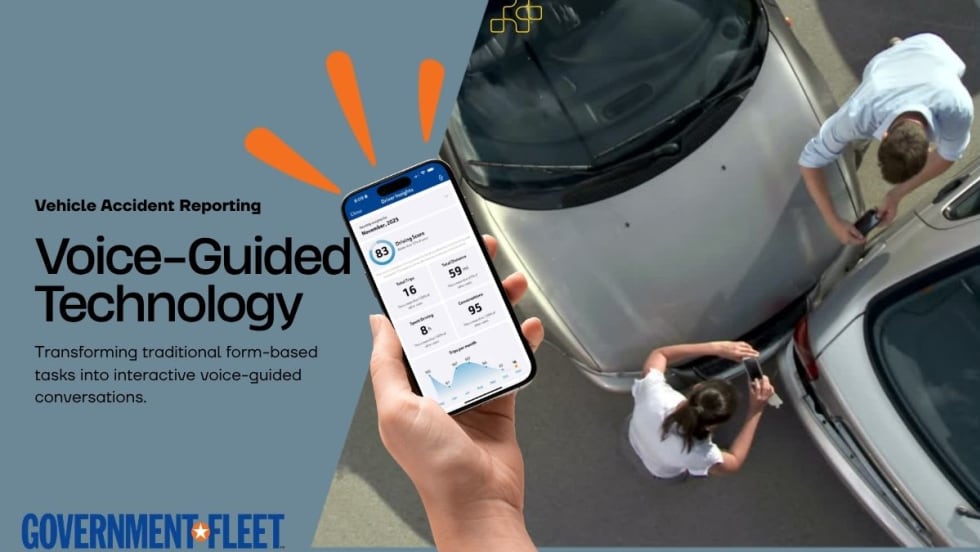
How Conversational AI Can Simplify Driver Workflows
Voice-guided technology is helping drivers complete vehicle inspections, accident reporting, and motor pool checkouts through conversations instead of forms.
Read More →
Connecticut Renews Fleet Telematics Agreement, Adds Automation Tools
Connecticut is expanding the use of automation within its fleet operations as part of a renewed telematics agreement. The new tools are designed to reduce manual reporting, streamline compliance tasks, and support management of the state's more than 3,600 vehicles.
Read More →
Tennessee DOT Selects Geotab as Fleet Telematics Provider
As state transportation agencies continue to expand their use of connected vehicle technologies, the Tennessee Department of Transportation is moving forward with a new telematics deployment. The initiative is expected to provide greater insight into fleet activity, asset utilization, and maintenance operations.
Read More →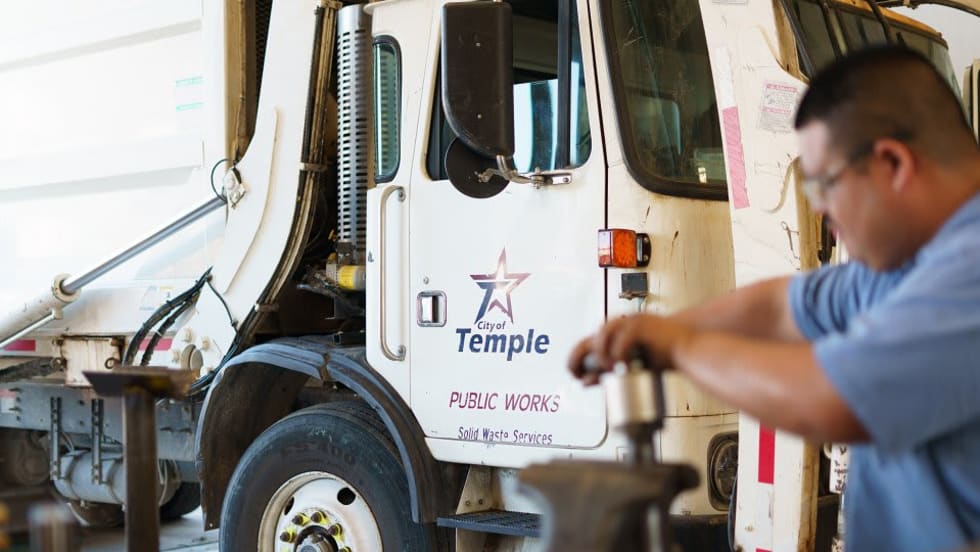
City of Temple Enhances Fleet Operations with New Telematics Technology
The City of Temple is deploying a new Geotab telematics system across multiple municipal departments to improve fleet maintenance, safety monitoring and operational efficiency.
Read More →
3 Ways Fleet Tech Builds Public Trust
Managing a state or local fleet comes with levels of accountability private companies don’t have. Read how modern fleet technology helps elevate visibility and safety to strengthen community trust.
Read More →
Geotab Launches Next-Gen GO Devices to Strengthen Oversight and Data Security
Next-generation telematics platform promises stronger diagnostics, asset tracking, and actionable insights.
Read More →
Ford Pro Telematics Introduces In-App Asset Tracking
Ford Pro Telematics expands its abilities.
Read More →
Distracted Driving and Samsara AI Safety
The U.S. public sector continues to use AI technology to combat the dangers of distracted driving.
Read More →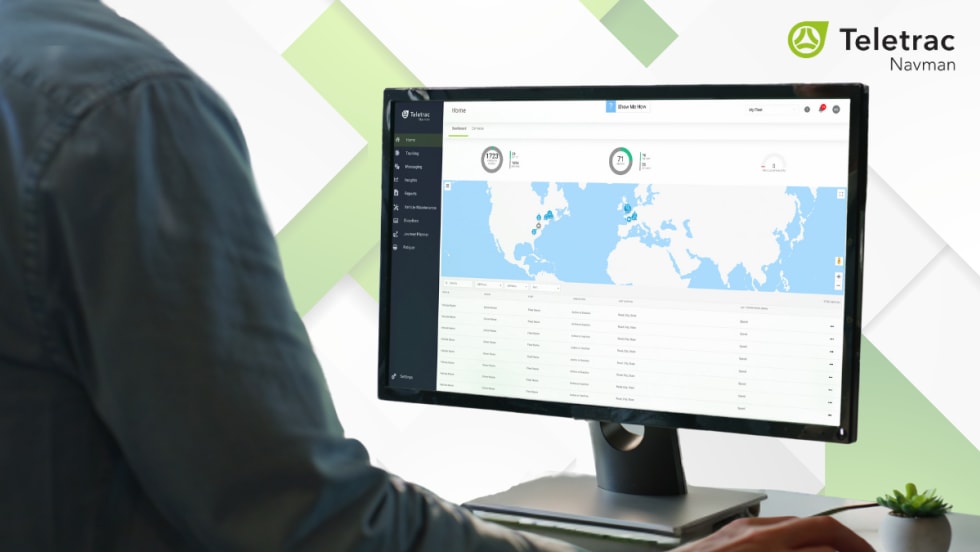
Teletrac Navman’s TN360 Now Connects with Factory-Fitted Telematics for Easier Fleet Oversight
Agencies can now tap into factory-installed vehicle data within TN360 without taking vehicles out of service for hardware installs.
Read More →
Element, Samsara Partner to Launch Comprehensive Fleet and Operations Management Offering
This joint offering streamlines procurement and onboarding for shared customers to deliver greater safety and efficiency for fleets.
Read More →