





Related: Facility Tour: City of San Antonio
Ill. Forest Preserve to Build $9M Fleet Facility
The Forest Preserve District of DuPage County, Ill., is moving forward with a $9 million fleet facility after years of delays.
July 11, 2017
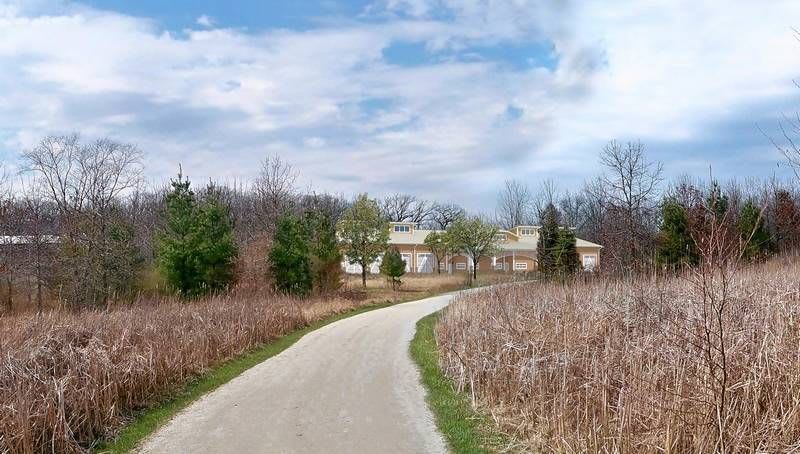
Rendering courtesy of Forest Preserve District of DuPage County
2 min to read

Rendering courtesy of Forest Preserve District of DuPage County
The Forest Preserve District of DuPage County, Ill., is moving forward with a $9 million fleet facility after years of delays.
Initial design work began in 2007, but opposition from neighbors delayed the project, mostly due to the original industrial look of the building exterior. The building exterior has been changed to fit its surroundings, and it was approved in June.
“I showed our senior staff examples of local agencies’ buildings that resembled agricultural buildings to better fit the surroundings. This concept was drawn up by our engineering consultants to fit our needs and shown to the local residents,” said Mike Webster, CAFM, fleet manager for the Forest Preserve District. “We sought the input of the nearby residents on the exterior color scheme as well.”
The 29,000-square-foot facility will mark the consolation of two maintenance shops. The district will keep its two shops for golf operations open.
“85% of our fleet is currently housed on the west side of the county near our new site, so it will be much more efficient to locate our fleet operation to this location,” Webster said.
The facility will feature 12 full-size drive-through bays, two shorter bays with concrete-reinforced floors for steel-tracked crawlers, one welding/fabrication bay, and one paint booth bay, according to Webster. The shop will be sectioned off, with six bays for light-duty vehicles and equipment and the remaining 10 bays for heavy-duty, welding, and paint work. The light-duty side will also be set up for repairing compressed natural gas (CNG) and liquefied petroleum gas (LPG) vehicles, with the required gas sensors and exhaust system.
The facility will include a conference room with seating capacity for 60 that will also function as a lunch room. An accordion wall will be installed to allow staff to section off the room when needed.
The facility will house up to 18 employees. Staff will service all its vehicles and equipment except for golf equipment at the consolidated facility. This includes 180 on-road vehicles up to Class 7 trucks, and 900 off-road units.
The facility is expected to be open by June 2018.
More Operations

Is Keeping Older Fleet Vehicles Really Saving Money?
Is keeping vehicles longer saving money, and what happens when a diagnostic test points to the wrong fix?
Read More →
How Smart Fleet Strategy Can Help Local Government Agencies Do More with Less
Keeping a vehicle longer may ease this year’s budget, but what does it cost the next one? A closer look at fleet decisions can reveal opportunities to reduce spending while protecting essential services.
Read More →
Connect with Government Fleet on LinkedIn
From industry news and fleet management strategies to conversations with peers, Government Fleet's LinkedIn page offers public-sector fleet professionals another way to stay informed and connected.
Read More →
Town of Queen Creek Named Most Successful Fleet Award Winner of Inaugural RTA Fleet Success Awards
Five fleets were honored at RTA Connect 2026 in Chicago for excellence across resource efficiency, intentional culture, risk management, and stakeholder satisfaction.
Read More →
Sponsored•October 14, 2026
A buyer's guide to fleet management software in 2027
Buying fleet management software in 2027 means looking beyond features and price. As fleet operations, technology and expectations evolve, this guide explores what today’s fleet professionals should consider when choosing a system that can deliver value now and adapt to what comes next.
Read More →
Hazard Alerts, Fleet Car Sales Rise and a New Shuttle Concept
Fleet car sales doubled, but the bigger picture tells a different story in this week’s roundup.
Read More →
How St. Johns County Turned Fleet Data Into Better Replacement Decisions
St. Johns County, Florida, had fleet data, but turning it into reliable decision guidance was another matter. Instead of starting over with a new fleet management system, the county connected existing tools and built a scoring system that gives managers an objective look at fleet health.
Read More →
Fleet Forward Conference Introduces One-Day Passes for 2026
New one-day registration lets fleet professionals attend Tuesday, Wednesday, or Thursday, with passes available for $249.
Read More →
ENC Unveils its ZAVIR Medium-Duty Shuttle
Two variants of the concept shuttles were revealed: a low-floor configuration and a high-floor configuration.
Read More →
Could Your Next Fleet Technician Start as an Intern?
What if your next technician hasn’t worked in a fleet shop yet? What fleets are doing to free up time.
Read More →