





Read More: New Benchmarks in Fleet Safety
Pre-Crash Actions to Avoid Nuclear Verdicts
Government fleets are not immune from distracted drivers or pedestrians, mechanical issues and other worst-case scenarios that can end in a collision. A great safety program is part of the strategy.
January 5, 2024
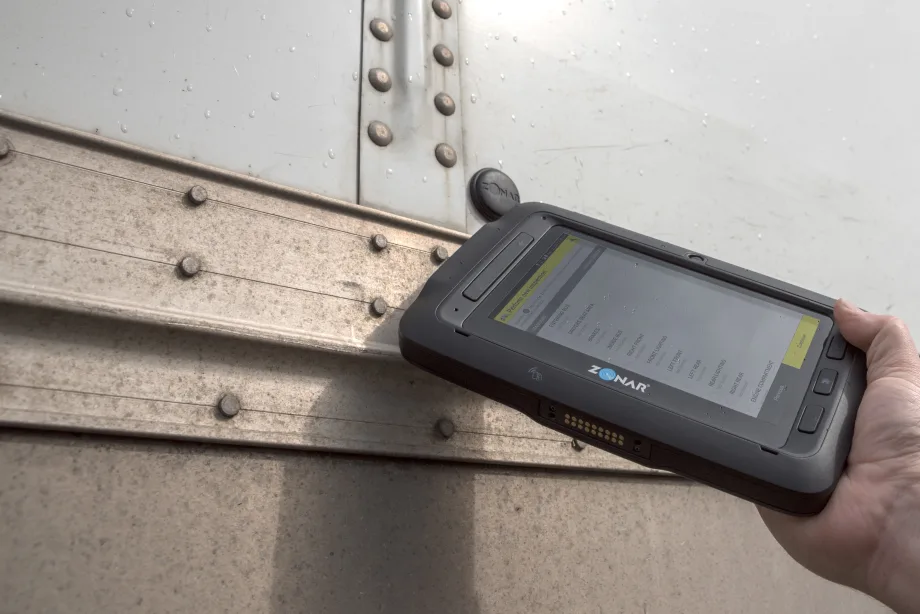
Digital inspections can facilitate better data-sharing and analytics to support proactive maintenance.
Photo: Zonar
4 min to read
Nuclear verdicts — high-dollar awards against trucking organizations and fleets — have ballooned to an average of $31.8 million. The economic risks in the public sector are enormous, and the frequency of these lawsuits has increased insurance premiums for all, regardless of safety performance and crash involvement, according to new findings by the American Transportation Research Institute.
Crash avoidance is everything.
Forward-thinking organizations are developing safety practices and adopting technology that improves safety, supports drivers and reduces the risks of collisions. Here’s how to get started:
Reinforce Safety Protocols
Government fleets are not immune from distracted drivers or pedestrians, mechanical issues and other worst-case scenarios that can end in a collision. A great safety program is part of the strategy. Review existing safety policies and procedures, update them if necessary, and, most importantly, enforce them. For example, you may require that on left turns, vehicle operators walk a vehicle through a turn while keeping the brake covered.
Many agencies are considering various on-board technology solutions to detect, deter, and avoid collisions. Forward-facing and in-cab dashcams and telematics systems can help monitor and correct driver behavior, protect drivers and your organization against false claims, and support your fleet’s safety culture.
What’s equally important is to minimize the risk of these events occurring by ensuring only road-worthy vehicles ever leave the lot. Equipment and vehicle health both play a crucial role in the efficacy of safety protocols.
One highly effective protocol required by departments of transportation, Occupational Safety and Health Administration, and Mine Safety and Health Administration mandates drivers and operators conduct complete walk-arounds or pre-shift inspections to ensure the vehicle is safe to operate. The regulation addresses brakes, coupling devices, and safety devices, among other components.
The keyword here is thorough—that means these inspections are conducted every trip, every item is logged, and the results are electronically recorded and verifiable.
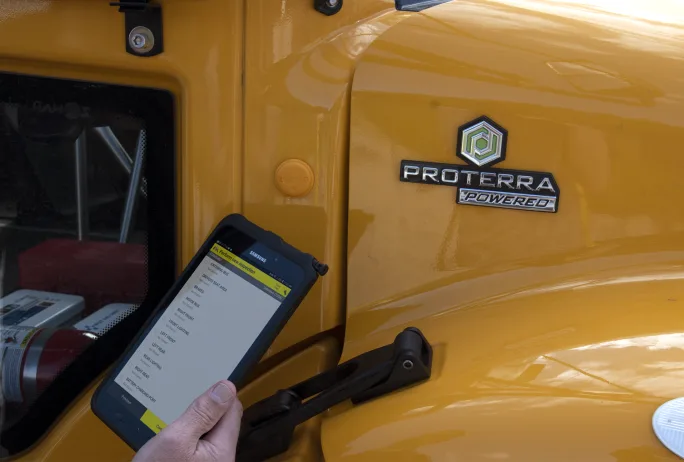
Many agencies are considering various on-board technology solutions to detect, deter, and avoid collisions.
Photo: Zonar
Digitize Inspections to Build a Safety Mindset
To continue the inspection protocol example earlier, consider this: your operators walk around their vehicles before every trip, but they’re not documenting these inspections, or they may only be recording it on paper forms. The risk of records getting lost or misfiled is massive, and a single pencil-whipped inspection can have cascading consequences.
Electronically recorded inspections are recognized as a top component of safety programs in the private sector, and it’s true for government fleets, too. Outdated inspection verification and compliance processes create avoidable risks, while digital inspections can help you get ahead of equipment issues and bolster your organization’s safety mindset.
The benefits of moving from a paper to a digital process are two-fold. Digital inspections can facilitate better data-sharing and analytics to support proactive maintenance. It’s also an opportunity to catch faulty equipment or damaged parts that would otherwise contribute to a towaway, injury, or even fatal crash.
Prevention is key, and this digital paper trail can help strengthen your safety program, reinforce drivers’ attention to duty, and increase attentiveness to the small details that impact safety on the road.
Set Deliberate Targets and Goals
Across the U.S., mayors in more than 45 communities have committed to Vision Zero, setting a clear goal of delimitating traffic fatalities and severe injuries. Reaching zero involves a rigorous level of understanding and cooperation that few have attained and “zero” is a goal many communities have yet to achieve.
The U.S. Department of Transportation National Roadway Safety Strategy outlines a comprehensive approach to significantly reducing serious injuries and deaths on our nation’s highways, roads, and streets.
This is the first step in working toward an ambitious long-term goal of reaching zero roadway fatalities. There’s no shortage of challenges on the road, but a supported driver is a safe driver. It’s up to leadership to set deliberate targets and shift the goals from unattainable to achievable. Additionally, they must provide context to motivate and inspire the entire team to commit to those goals.
Programs that celebrate safe driving can be a major motivator, and by rewarding good behavior, other drivers will see the value you place on safe driving, providing a multiplying effect on your safety programs.
What’s at Risk
Across the public sector, fleet managers are forecasting higher costs alongside anticipated budget items for litigation, training, safety technology, driver compensation and out-of-pocket incidents. Despite this, they can’t lose sight of safety.
Nuclear verdicts can gut a fleet, and government organizations are not exempt. When I oversaw majoraccident investigations for the Washington State Patrol, the team had to cover every aspect of a scene—not just the basics of a collision, but the road design, stop signs, and everything else. Just as much as drivers were scrutinized, the government agency responsible for the road was too.
Numerous cases show multi-million awards involving public agencies, including a $15.3 million award involving Alameda-Contra Costa Transit District. The award came after a judge found that the bus driver caused a passenger to suffer a spinal fracture after hitting a speed bump.
To reduce the risk of incidents that could lead to nuclear verdicts, fleet managers must implement practical and effective safety programs. It starts with keeping up with safety procedures, providing drivers with the technology and support they need to carry out their jobs safely, and programs to reward and inspire drivers.
When done correctly, fleet managers will save lives, reduce collisions, and create high performing organizations.
Subscribe to Our Newsletter
More Safety
New Partnership Aims to Expand Public Digital Hazard Alert System Statewide
The Hawai’i Department of Transportation (HDOT) is expanding advance digital hazard alerts for the public statewide.
Read More →
New York City Expands Safety Technologies Across Municipal Fleet
Executive Order 19 moves intelligent speed assistance and pedestrian alerts from pilot programs toward standard fleet equipment, offering other public fleets a look at how safety technology can be tested, measured, and scaled.
Read More →
Sponsored•August 10, 2026
Hidden in Plain Sight: Fleet Compliance Risks
Fleet compliance isn't just about having policies — it's about consistently enforcing them. This practical guide reveals six hidden compliance risks common in public sector and shared fleet operations and outlines proven strategies to improve visibility, accountability, and audit readiness.
Read More →
5 Days Left to Submit Your 2026 Fleet Safety Award Nomination
Know a government fleet, safety, or risk manager who deserves recognition for making fleet operations safer? Nominations are open through Aug. 15.
Read More →
How the First 24 Hours Can Shape a Fleet Crash Response
How a strong accident response process helps government fleets move from the initial report to recovery while building a clearer record for what needs to change next.
Read More →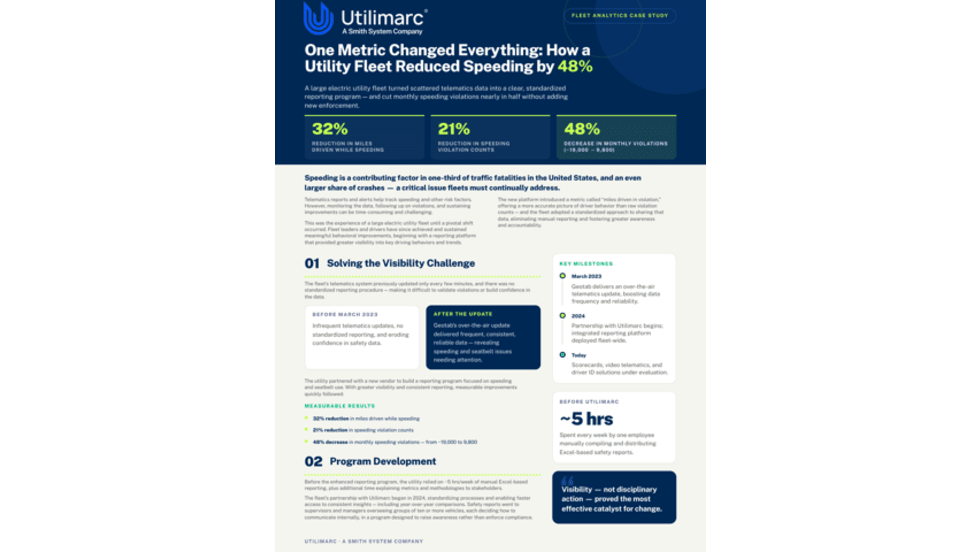
Sponsored•July 17, 2026
How Better Visibility Cut Speeding Violations by 48%
Fleet leaders don't need more data, they need clearer visibility into what the data is saying. This case study explores how one utility replaced speeding-event counts with a single metric — miles driven in violation — to strengthen safety and significantly reduce speeding violations.
Read More →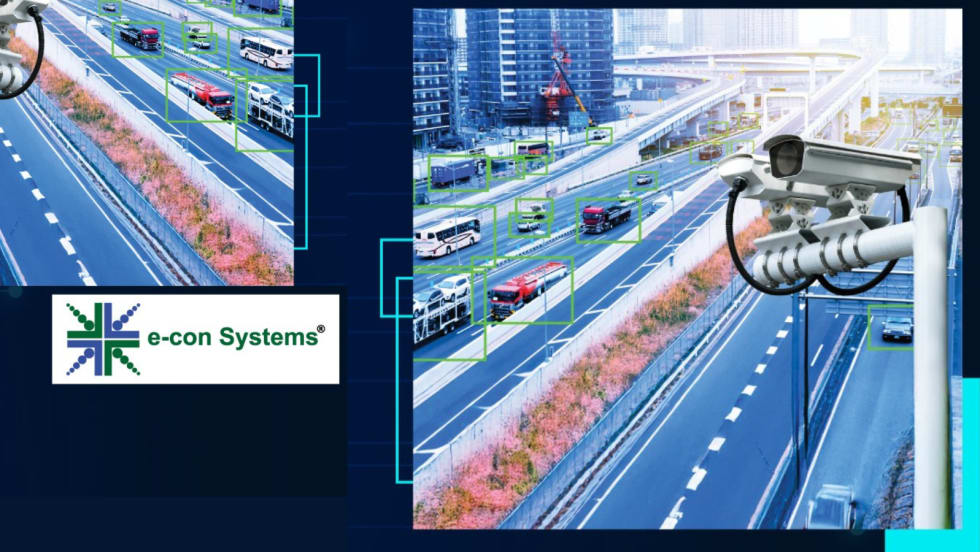
e-con Systems Expands AI Camera Tools for Traffic Monitoring
The systems support license plate recognition, traffic analytics, and video management for transportation agencies.
Read More →
King Township Pilot Links Driver Feedback to Reduced Speeding
How King Township, a best-in-class municipal fleet, reduced speeding by 10.9% and demonstrated a projected 349% ROI by putting safety ownership directly in drivers' hands.
Read More →
Beyond the Fireline: The Critical Role of Public Fleets in Wildfire Response
Behind every wildfire response is a complex network of vehicles, data, and decisions that must work in sync under extreme pressure. Global heating trends require strong fleet coordination and reliable communications to keep crews safe and operations running smoothly.
Read More →
How AI Is Transforming Public Fleet Safety - Part 1
AI-powered safety systems are helping public fleets tackle distracted driving by delivering real-time coaching and measurable behavior change behind the wheel. In part one of our Q&A, Nauto CEO Stefan Heck explains how agencies can improve safety, reduce costs, and navigate implementation challenges with AI-driven technology.
Read More →