





Check Out Some Photo Galleries
A Thanksgiving Feast of Fleet Features and News
This holiday week enjoy some downtime with some of our editors' picks of feature stories, news, and photo galleries.
November 27, 2025

From EVs to infrastructure to technicians and fleet operations, check out this Thanksgiving roudup of stories, photos, and videos.
Photo: Government Fleet
2 min to read
As you take some time to (hopefully) pause and recharge this Thanksgiving, it’s the perfect opportunity to explore fresh ideas and strategies to tackle the challenges of fleet management.
From finding ways to boost resale value and leveraging GPS technology to balancing evolving demands and building stronger partnerships, the complexities of fleet management never stop. This roundup offers practical strategies and insights to help navigate these demands and keep your fleet running smoothly, no matter the obstacles.
So grab a slice of pie, find a comfy spot, and browse the following topics for some holiday reading.
How to Use Reports to Communicate Fleet Achievements
Tips for creating reports that highlight fleet wins for upper management.
Keith Kerman Shares Lessons from Fleet Electrification
Keith Kerman shares what has worked for his fleet as they continue their electrification and sustainability efforts.
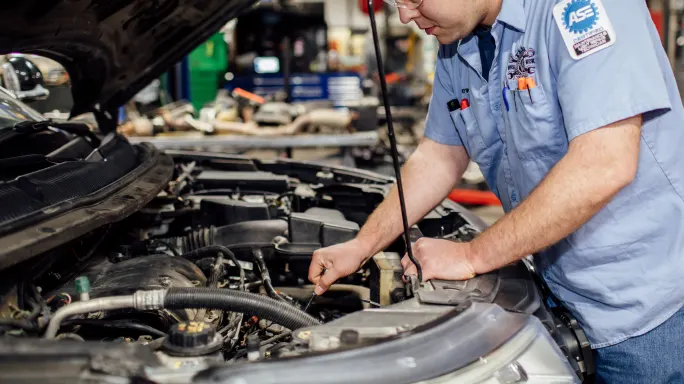
There are quite a few options available when it comes to growth programs, such as the Automotive Service Excellence (ASE) certification.
Photo: Fleetio
Police Fleet Trends for 2025 Part 1: VEHICLES
Vehicle trends as told by leaders of law enforcement fleets. What you need to know about the vehicles driving law enforcement fleets forward.
Hall of Famer Michael Brennan on Preparation, People, and Purpose
Honored as a 2024 Hall of Fame inductee, Michael Brennan shares the lessons, challenges, and values that shaped his career in fleet.
7 Types of Technician Training and Why They’re Worth It
The automotive industry is continually changing. That’s great for safety, efficiency, and sustainability, but if your technicians’ knowledge base doesn’t evolve with the industry, your shop is going to suffer. How fleet managers can mix and match training to create the right plan for their shop.
Career Progression, Historical Modeling, Among Factors In Employee Pay Budgeting
Fleet departments are still addressing post-pandemic technician shortages through career progression plans and partnerships with local technical schools to attract and retain skilled workers.
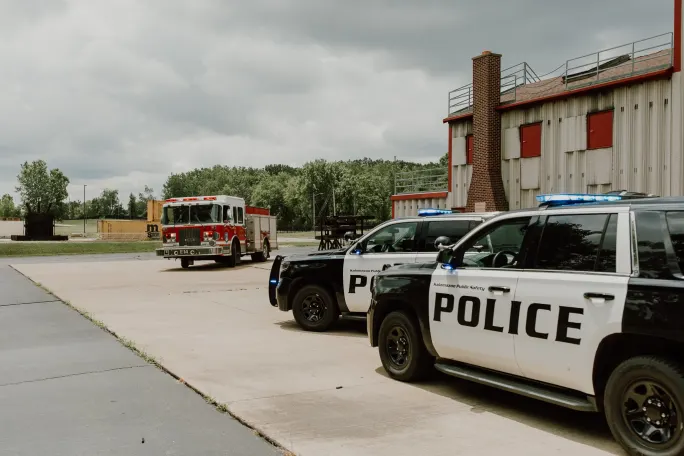
When it comes to police vehicle trends, a lot centers on what resonates with law enforcement fleet leaders and their plans for the year ahead.
Photo: Kalamazoo Department of Public Safety
The Enemy of Strong Fleet Leaders: Complacency
Strong fleet leadership means fostering accountability, avoiding complacency, and empowering teams through empathy, continuous learning, and trust—principles reflected in successful fleet operations across multiple cities.
Combating the Qualified Technician Shortage with Strategic Investments and Training
While the qualified technician shortage in the fleet industry is real, and it’s a challenge, that doesn’t mean fleets are powerless.

Public-sector fleets are finding practical, low-cost ways to maintain service levels and adapt to long lead times, tight budgets, and staffing challenges.
Photo: Government Fleet
Making It Work: Practical Fleet Hacks From Across the Country
How public sector fleets are finding practical, low-cost ways to maintain service levels and adapt to long lead times, tight budgets, and staffing challenges.
The Why Matters: Leadership Lessons from Alison Kerstetter
2025 Public Sector Fleet Manager of the Year Alison Kerstetter chats with Government Fleet about what Sacramento is working on, future plans, and best practices.
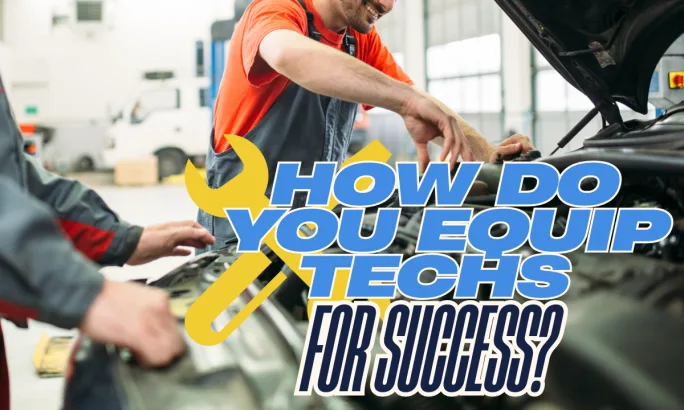
Continuous training can pave the way for career advancement and technical excellence in the automotive industry.
Photo: Government Fleet

Subscribe to Our Newsletter
More Operations

Is Keeping Older Fleet Vehicles Really Saving Money?
Is keeping vehicles longer saving money, and what happens when a diagnostic test points to the wrong fix?
Read More →
How Smart Fleet Strategy Can Help Local Government Agencies Do More with Less
Keeping a vehicle longer may ease this year’s budget, but what does it cost the next one? A closer look at fleet decisions can reveal opportunities to reduce spending while protecting essential services.
Read More →
Connect with Government Fleet on LinkedIn
From industry news and fleet management strategies to conversations with peers, Government Fleet's LinkedIn page offers public-sector fleet professionals another way to stay informed and connected.
Read More →
Town of Queen Creek Named Most Successful Fleet Award Winner of Inaugural RTA Fleet Success Awards
Five fleets were honored at RTA Connect 2026 in Chicago for excellence across resource efficiency, intentional culture, risk management, and stakeholder satisfaction.
Read More →
Sponsored•October 14, 2026
A buyer's guide to fleet management software in 2027
Buying fleet management software in 2027 means looking beyond features and price. As fleet operations, technology and expectations evolve, this guide explores what today’s fleet professionals should consider when choosing a system that can deliver value now and adapt to what comes next.
Read More →
Hazard Alerts, Fleet Car Sales Rise and a New Shuttle Concept
Fleet car sales doubled, but the bigger picture tells a different story in this week’s roundup.
Read More →
How St. Johns County Turned Fleet Data Into Better Replacement Decisions
St. Johns County, Florida, had fleet data, but turning it into reliable decision guidance was another matter. Instead of starting over with a new fleet management system, the county connected existing tools and built a scoring system that gives managers an objective look at fleet health.
Read More →
Fleet Forward Conference Introduces One-Day Passes for 2026
New one-day registration lets fleet professionals attend Tuesday, Wednesday, or Thursday, with passes available for $249.
Read More →
ENC Unveils its ZAVIR Medium-Duty Shuttle
Two variants of the concept shuttles were revealed: a low-floor configuration and a high-floor configuration.
Read More →
Could Your Next Fleet Technician Start as an Intern?
What if your next technician hasn’t worked in a fleet shop yet? What fleets are doing to free up time.
Read More →