




Want to share about your fleet's sustainability efforts? Think we missed an important topic? Email us and tell us about it! Email Government Fleet Associate Editor Christy Grimes at christy.grimes@bobit.com.
Striving for Sustainability: Earth Day Roundup
See ways public sector fleets are aiming for more green operations.

Christy Grimes・Former Senior Editor
Government Fleet is celebrating Earth Day with a roundup of stories geared toward greener fleet operations.
Photo: Government Fleet/Canva
3 min to read
Public sector fleets are constantly facing pressures from their governments to find more sustainable ways to operate. This Earth Day, Government Fleet has a roundup of stories geared toward sustainability so you can see how other fleets are moving toward more green operations.
Breaking Down the Basics: 10 Things to Know About Renewable Fuel

If you’re looking to dive into the world of using renewable fuel, there’s a lot to learn. Adopting the use of renewable fuels is one step many fleet managers are taking toward sustainability. In this article, we share 10 things you need to know before taking the leap toward greener fuel.
Small Steps Toward Big Impacts with Emissions Tracking

Zero-emissions vehicles don’t produce emissions; it’s in the name. But did you know there are still emissions related to producing the electricity used to charge them? In this article, learn about the impact emissions production has on ZEVs.
How to Achieve Driver Idling Behavior Reductions in Government Fleets

Idling is a necessary evil for some fleet operators based on their unique job functions, so it can’t be slashed entirely. But there are certain practices fleet managers can put into play to make a dent in idle time. In this article, Ron Zima of GoGreen Communications shares ways to reduce idle time, starting with the vehicle operators.
Navigating the Switch to EVs: A Basic Guide

When it comes to vehicle electrification, there’s a whole lot to learn. And the plethora of information can be overwhelming. This article gives you the basics you need to know on beginning the process of transitioning away from ICE vehicles and toward electric vehicles (EVs). Plus, read why one industry expert says it might be worth still considering plug-in hybrids.
A Tale of Two Cities: The EV Infrastructure Switch
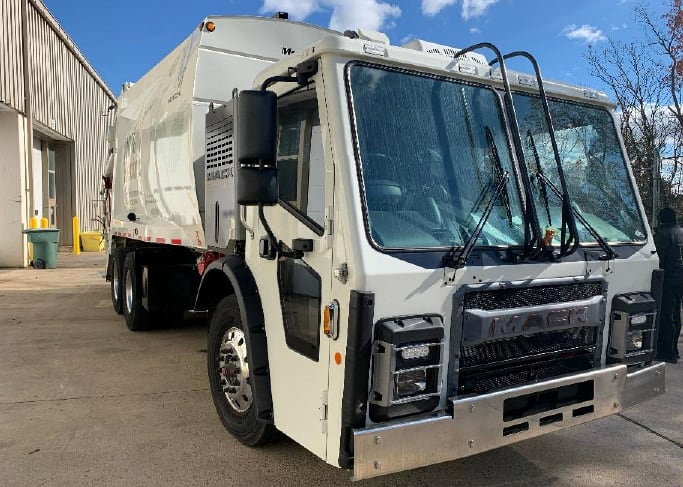
Alexandria's Fleet Management Division is exploring ways to incorporate “green practices” aligned with the city’s sustainability goals. The city is demoing a Mack electric refuse truck, pictured here.
Photo: City of Alexandria
Purchasing the EVs is only half the battle. Ensuring you have the infrastructure in place is vital. The road to adding the infrastructure needed to power EVs can be a bumpy one. Strap in and read about the journey and challenges from two seasoned fleet managers.
How to Educate Drivers on Electric Vehicle Safety

Operating EVs is an entirely different beast many fleet managers experience as they introduce the new vehicle technology to their drivers. In this story, learn ways to teach your drivers best practices for operating these new and exciting vehicles. Read about some of the key differences in EVs and ICE vehicles, plus advice on educating drivers.
What Makes a Fleet Shop Sustainable?

It’s not just about the cars. Increased sustainability can also be achieved through making changes to your fleet facility. In this article, a fleet manager shares practical ways he has made his facility more green.
Top 10 Fleet Sustainability Stories in 2023

As fleet managers within the public sector increasingly prioritize sustainability, we explore the dynamic trends influencing the design and specifications of sustainable fleets.
Join us as we explore how fleets around the country are working toward sustainable fleet management. Discover how companies are celebrating milestones, integrating electric vehicles into their fleets, and unveiling new products designed to minimize environmental impact.
More Green Fleet
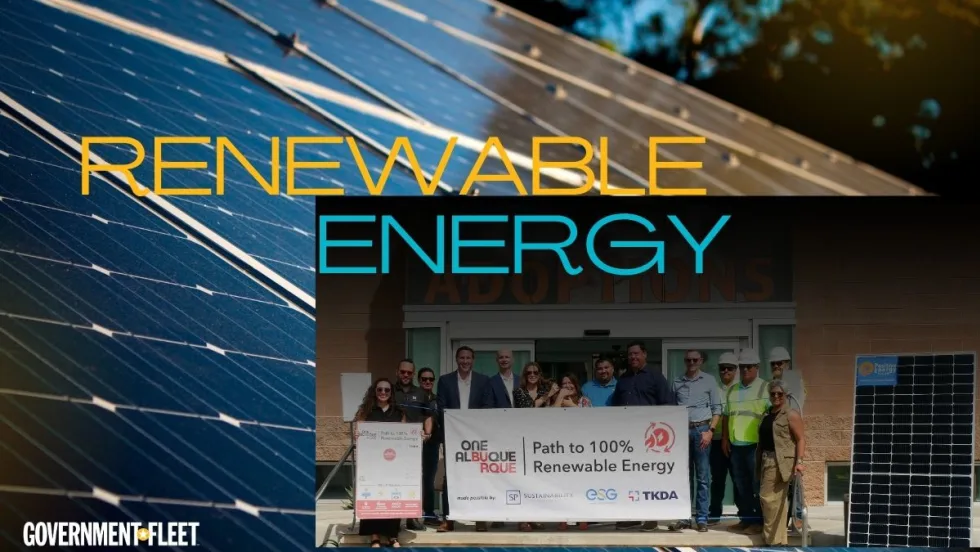
Sustainability Partners, Energy Systems Group Help Albuquerque Close the Gap on its 100% Renewable Energy Goal
The eight-site, 6 MW solar project has advanced the city toward 100% renewable energy for municipal operations.
Read More →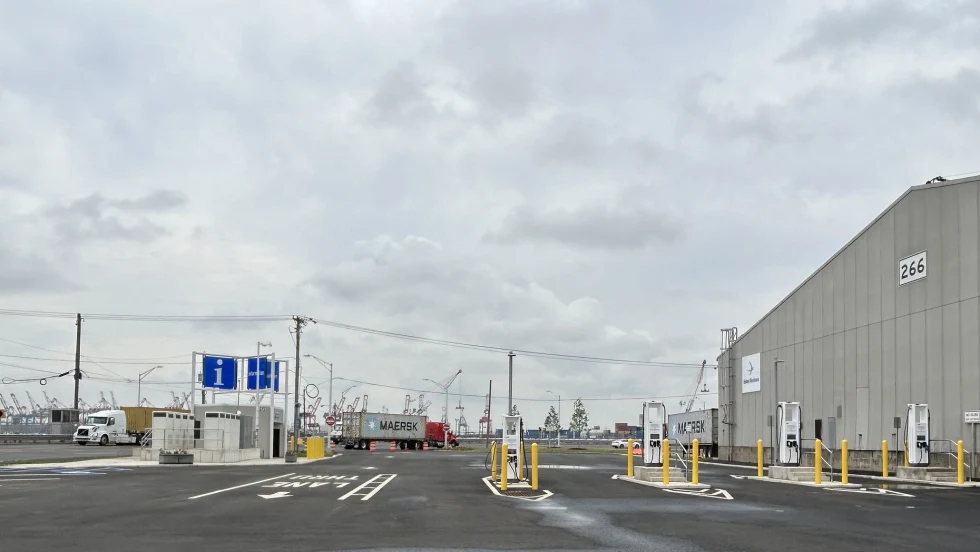
Port Authority and CALSTART Launch $45 Million Electric Truck and Charging Programs
The programs aim to boost sustainable operations across the East Coast's busiest seaport.
Read More →
Moving Government Fleets Beyond the Vehicle Purchase: EV as a Service
A discussion on how EVaaS is moving beyond pilot programs and what fleets should consider before beginning a larger deployment.
Read More →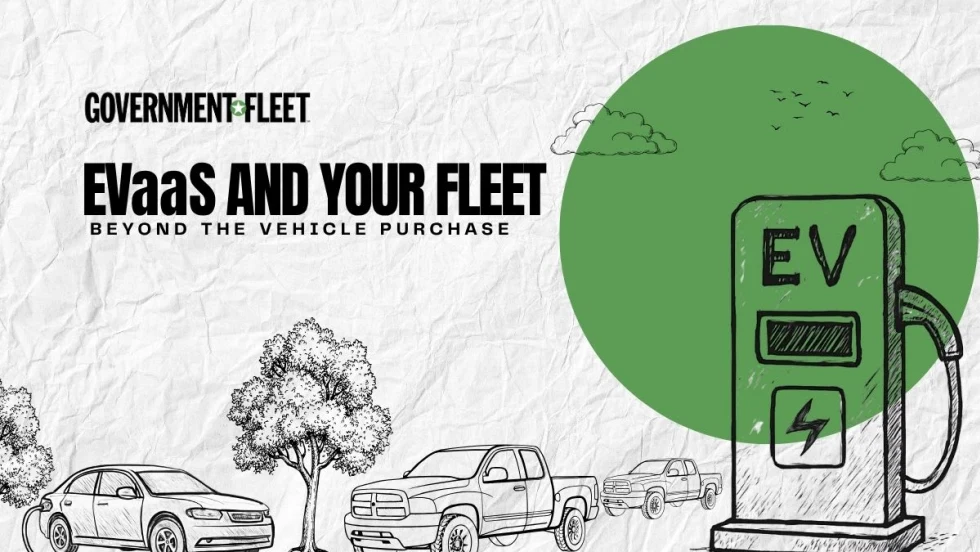
Moving Government Fleets Beyond the Vehicle Purchase: EV as a Service
As fleets move beyond small EV pilots, Sustainability Partners CEO Adam Cain explains how EVaaS can address the infrastructure and long-term planning required for larger deployments.
Read More →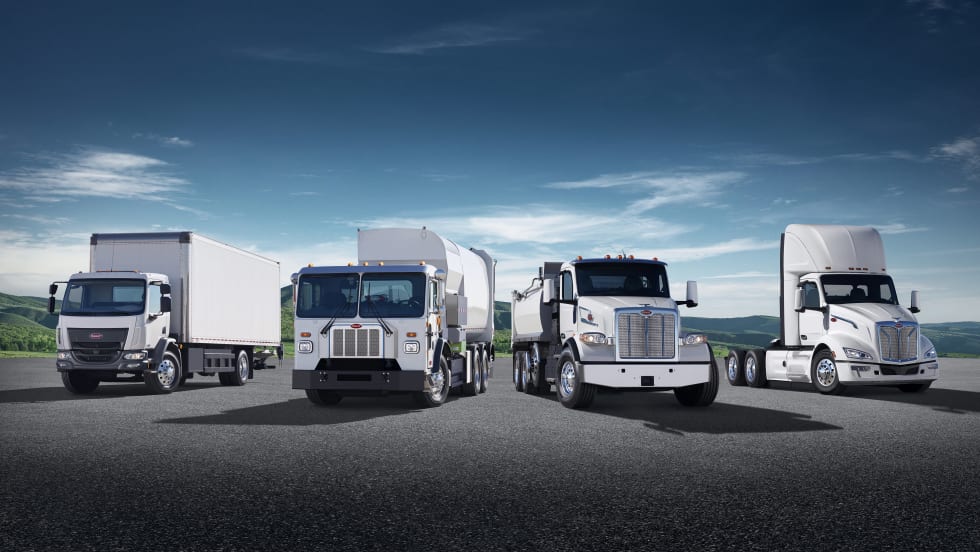
Peterbilt Expands Sourcewell Partnership with Electric Vehicle Lineup
The agreement aims to provide streamlined procurement of Peterbilt trucks for government, education, nonprofit and tribal organizations across the United States and Canada.
Read More →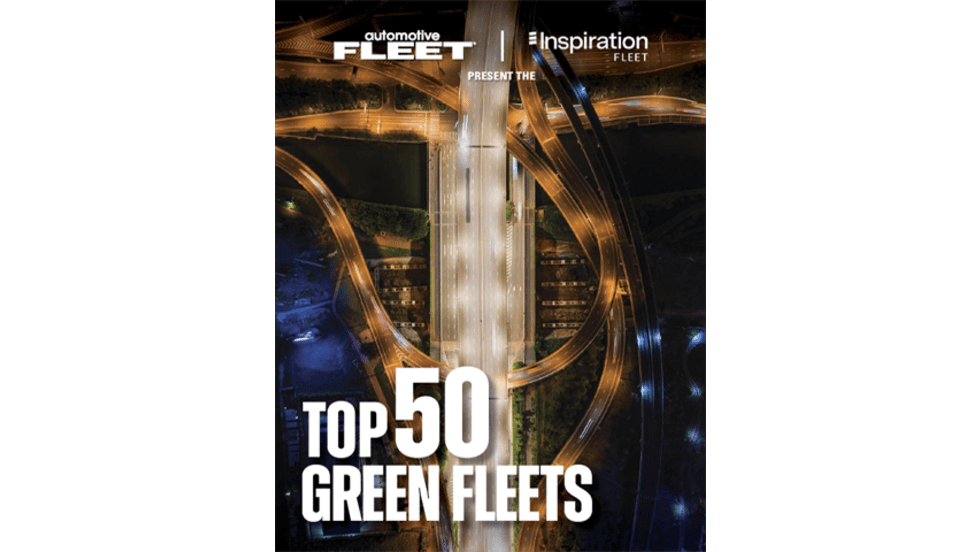
EV Adoption & Charging Challenges
Where is your fleet in the journey of vehicle electrification? If you're still looking for answers to fleet electrification you've come to the right place.
Read More →
Hawaii Passes Clean Fuel Policy
Hawaii lawmakers passed clean fuel legislation that could support renewable natural gas production, biogas-powered transportation, and lower-carbon fueling options for public and commercial fleets.
Read More →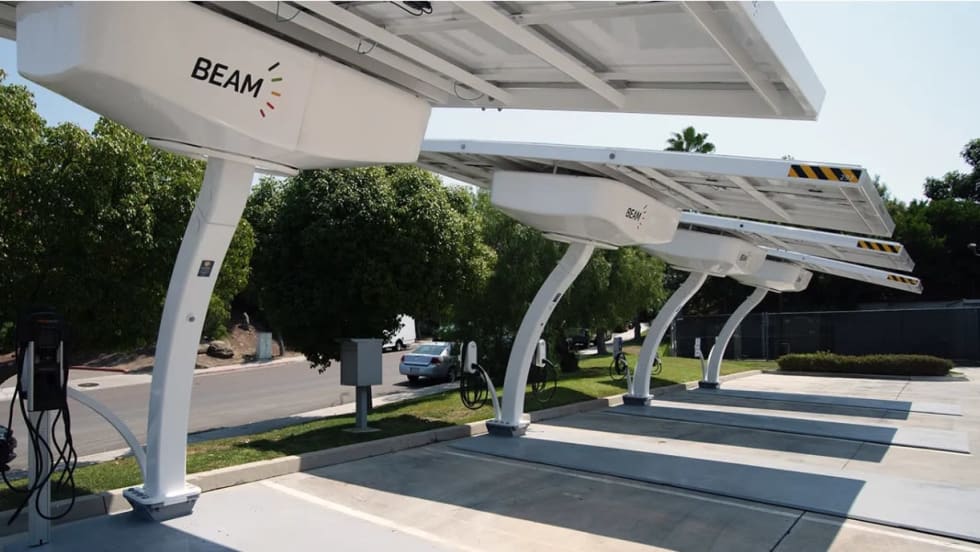
Stanislaus County Deploys Ten Beam Global EV ARC Systems to Support County Fleet Electrification
Stanislaus County deployed 10 off-grid solar-powered EV charging systems and a mobile charging trailer from Beam Global to support its electric fleet operations and emergency response flexibility.
Read More →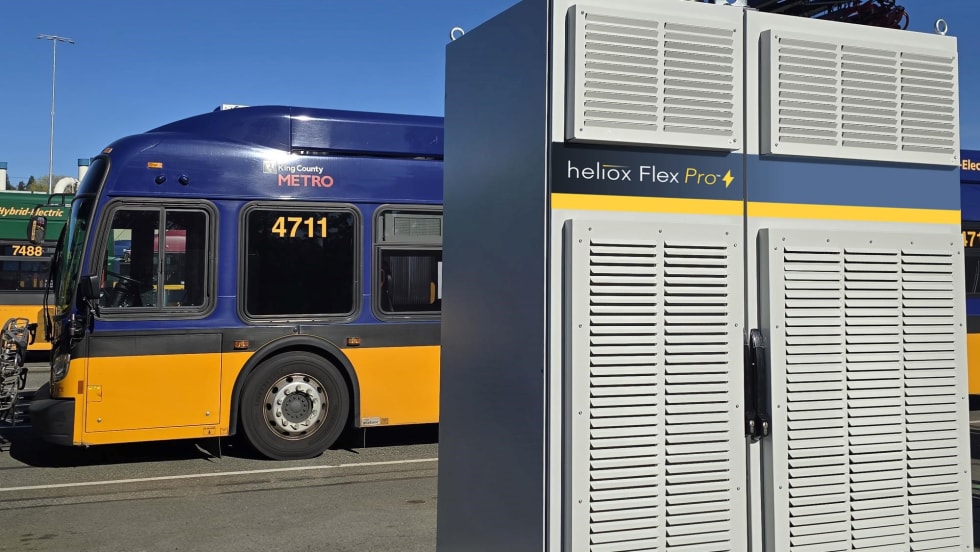
Heliox Pilots 480-kW Bus Charger with King County Metro
King County Metro is piloting Heliox’s new 480-kW Flex Pro charger to support expansion of its battery-electric bus fleet and depot charging infrastructure. The compact charging system supports pantograph and plug-in charging configurations for high-density transit operations.
Read More →