





Don't Miss: Catalytic Converter Theft Crisis: 6 Preventive Measures You Can Take
Catalytic Converter Theft Ring Targeted
Federal, state, and local authorities make arrests, seize property across the U.S.
November 8, 2022
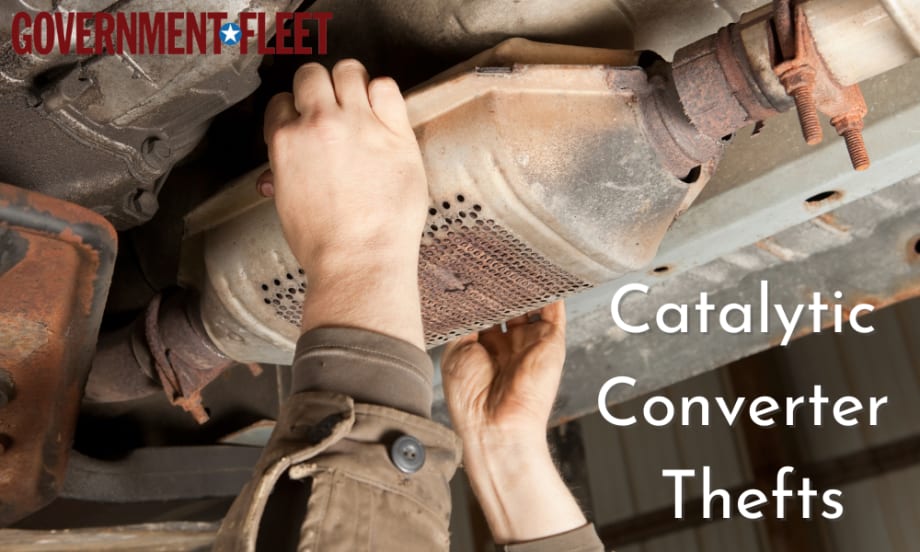
A sting operation by the U.S. Department of Justice resulted in the arrest of 21 people, with millions of dollars in assets, such as homes, bank accounts, cash, and luxury vehicles seized.
Photo: Canva/Government Fleet
2 min to read
The U.S. Justice Department announced it worked with local and state authorities to execute a series of arrests and seizures in an effort to take down what it called a national network of suspected catalytic converter thieves and associates.
The sting, which took place in nine states across the country, resulted in the arrest of 21 people, and the Justice Department said it seized millions of dollars in assets, such as homes, bank accounts, cash, and luxury vehicles.
Attorney General Merrick B. Garland said in a press release that “amidst a rise in catalytic converter thefts … we will continue to work alongside our state and local partners to disrupt criminal conspiracies like this one that target the American people.”
Catalytic converter thefts have surged as thieves have targeted the valuable precious metals contained in the component of vehicles’ exhaust systems intended to reduce pollutants. Some of the metals have more value per ounce than gold, the Justice Department said in its press release on the sting.
California has been a particular target of catalytic converter thieves due to its higher emissions standards, said U.S. Attorney Phillip Talbert of the Eastern District of California.
“Last year approximately 1,600 catalytic converters were reportedly stolen in California each month, and California accounts for 37% of all catalytic converter theft claims nationwide,” Talbert said in the press release. “I am proud to announce that we have indicted nine people who are at the core of catalytic theft in our community and nationwide.”
This story was originally posted on Auto Dealer Today.
More Operations

What Can Disappear After a Fleet Crash?
This week, we look at drone footage, what fleets should document before repairs begin, and share a quick poll.

Does Your Government Fleet Handle Refuse and Waste Operations? Take Our Poll
Government Fleet wants to hear from public-sector fleet professionals about their responsibilities for refuse collection and waste management equipment.

Fleet Replacement Decisions, Waste Fleet Technology and the GFX Deadline
Is your next vehicle the right fit, can your records settle a missed pickup dispute, and what could your fleet teach others at GFX 2027?

Is Delaying Fleet Replacement Really Saving Money?
Could delaying replacement cost your fleet more than it saves? This week’s recap takes a closer look, plus an update on GFX 2027.

What Government Fleets Are Missing About Their True Costs
What are fleet budgets missing, and how can agencies use the data they already collect to make a stronger case for change?

Rethinking Fleet Decisions From the Budget Office to the Shop
This October we looked back at how public fleets are reconsidering familiar processes and using what they learn to make better decisions.

Who Owns the Message on a Refuse Truck?
Refuse trucks can carry public messages into neighborhoods, but keeping those messages current takes planning and clear responsibility.

Who Deserves Fleet Recognition and What Could You Teach at GFX?
Who helped shape your fleet career, and what have you learned that could help someone else?

What’s Haunting Public Sector Fleets?
Public sector fleet challenges rarely happen in isolation, and addressing one often means understanding how it connects to another.

Is Keeping Older Fleet Vehicles Really Saving Money?
Is keeping vehicles longer saving money, and what happens when a diagnostic test points to the wrong fix?