


 MENU
MENU SEARCHMENUSEARCH
Loading data...
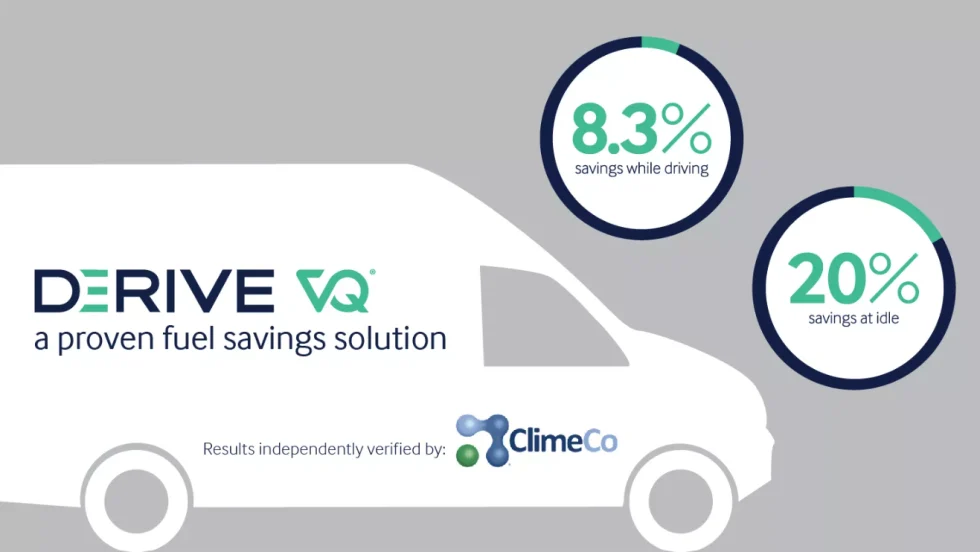
VQ Insight, the new platform, allows fleet managers to monitor vehicles while aggregating data for easy comparison across vehicle models and timeframes
Read More →


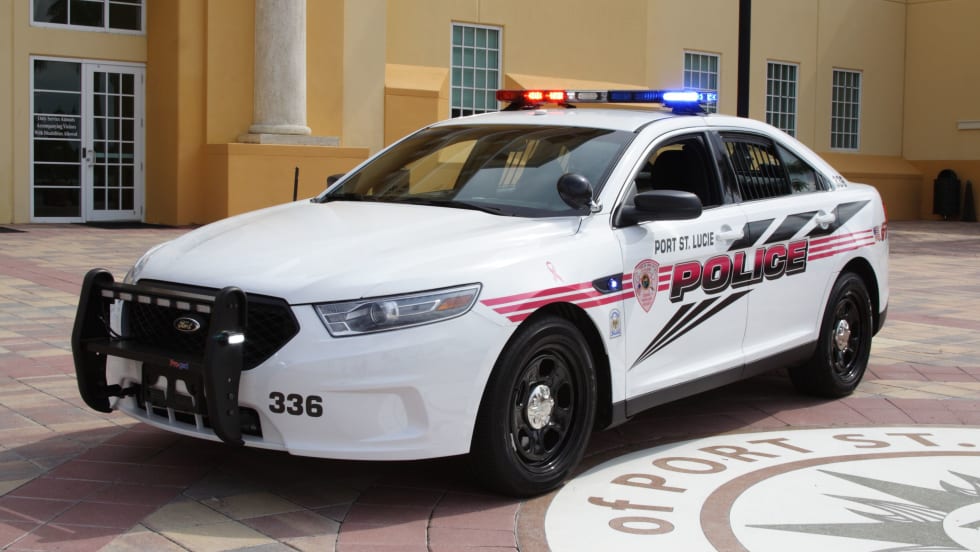
The Port St. Lucie (Fla.) Police Department has reduced idle fuel consumption by 12% and total spending on fuel by more than 11% by using Derive Efficiency's optimized engine calibration on a portion of their fleet.
Read More →
A new software for fleets is rolling out in several cities and is built to save on fuel costs and reduce emissions by working with a vehicle’s idle. Find out what results the cities of Orlando and St. Petersburg saw with the device.
Read More →In a pilot of vehicle calibration software, Dakota County, Minn., fleet vehicles saw an 8% average drop in fuel consumption.
Read More →In a successful pilot of anti-idling software across a variety of its vehicles, the City of Ontario, Calif., saw a fuel use reduction of 16%, prompting its fleet manager to call for expanded use.
Read More →The City of Orlando has saved over 400,000 gallons of fuel in one year through a number of fuel-saving measures, including idle reduction technology in its law enforcement vehicles.
Read More →From adding in-vehicle technologies to incentives in the shop, here are five ways fleets can improve driver, vehicle, and operational efficiency.
Read More →With increased competition and a growing number of carbon-reduction options, how can a fleet manager make the case that theirs is a cost-effective program, deserving of state or federal support?
Read More →The City of Lakeland, Fla., has cut idle fuel costs by an average of 26% on its 80 police vehicles by using engine calibration software. The vehicles idle six to eight hours every day.
Read More →