





Related: Derive Launches Telematics Product with Calibration Capabilities
Derive VQ Brings Fuel Savings, Reduced Emissions to Florida Fleets
A new software for fleets is rolling out in several cities and is built to save on fuel costs and reduce emissions by working with a vehicle’s idle. Find out what results the cities of Orlando and St. Petersburg saw with the device.
June 9, 2021
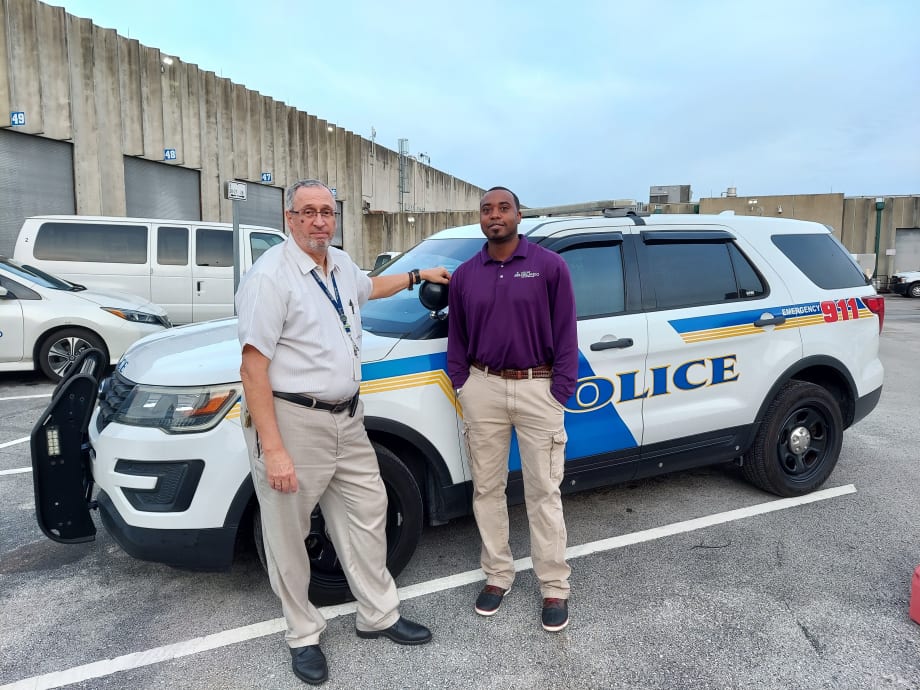
St. Petersburg, Florida, was one city that recently piloted Derive VQ in its fleet. Another pilot in Orlando went so well that the fleet manager is installing it in all vehicles. Pictured here are: City of Orlando Fleet and Facilities Division Manager David Dunn, CFM, left, and new Fleet Division Manager Jonathan Ford, right.
Photo: Derive Systems
4 min to read
Fuel savings and safety reign supreme in the technology behind a new software platform for fleets — and it’s stirring things up in two Florida cities.
Derive VQ — which stands for vehicle quotient and comes from Colorado-based company Derive Systems — takes the power of telematics but brings the ability to make adjustments based on data. This lets fleet managers focus on managing vehicles rather than drivers. But the hidden value, the company said, is that it serves as a bridge to going full EV.
Inside the App
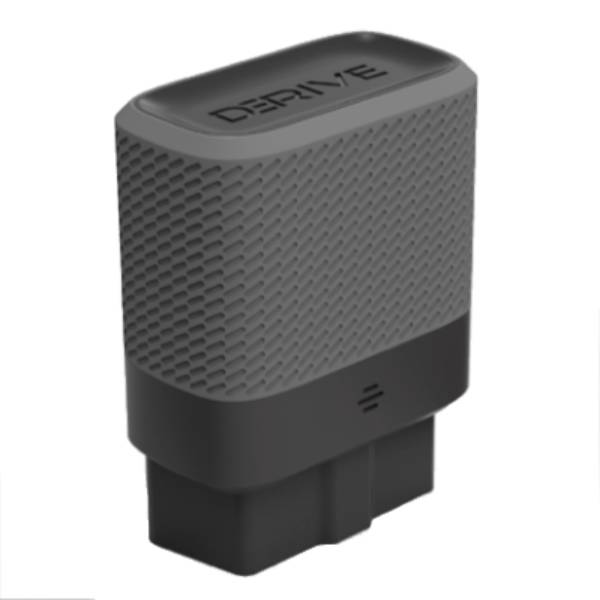
This small device works by plugging into your OBD-II port and brings with it three key benefits in the form of efficiency, telematics, and safety.
Photo: Derive Systems
The Derive device is no larger than a cell phone and plugs right into the engine’s OBD-II port. It works by recognizing an idle and turning down the RPM, thereby saving fuel and reducing CO2 emissions.
Charlie Mahoney, director of channel sales and solutions, described it like a smartphone when you know you won’t be near a charger, you can tweak settings like brightness to increase battery life.
But the folks at Derive say that the product has even more benefits with three core platforms — efficiency, telematics, and safety. “Using years of technology we had in racing, we asked how we can make a vehicle fleet perform more optimally and meet the needs they have,” Amy Bagwell, Derive’s CFO, explained.
Within the safety platform, it helps prevent two of the biggest issues on the road today — speeding and distracted driving — by disabling the driver’s phone and governing speed.
A Tale of Two Cities
Take it from the cities of Orlando and St. Petersburg.
In Orlando, David Dunn, the city’s fleet and facilities manager, discovered the product at a conference and was interested in any solution that would reduce fuel consumption and emissions. Like most new programs, fleet management first ran a pilot and developed its own metrics to measure savings.
Initial outcomes there were projected at about 9.35 gallons in monthly fuel usage per vehicle — or $24.30 in fuel cost per vehicle per month. And Dunn said he saved over 450,000 lbs. of CO2 due to the device. “Quite frankly, we were surprised to see our metrics proved to be even better than Derive’s estimates, so we turned it from a pilot into a full-blown program,” he said.
Dunn admitted that they worried about degraded vehicle performance, but after the pilot, he witnessed the opposite. “The people who were naysayers in the beginning became advocates once they used it because they saw the improved performance that came from it,” he said. “It’s a win-win across the board for us.”
After an initial order, the city is now installing the device on all vehicles or budgeting the technology for non-electric/hybrid vehicle applications for 2021 and beyond. With 93% of its on-road vehicles already running on alternatives, the City of Orlando’s larger strategy is to employ more new technologies to reach a goal of moving the entire fleet to alternative-fuel vehicles by 2030.
In St. Petersburg, the city is completing a pilot of the product after making a $78 million commitment to law enforcement there. During a test drive, one lieutenant in charge of the city’s fleet said his drivers would love the performance. About 350 of the city’s marked cruisers will get the product installed once the project and city budgets are approved.
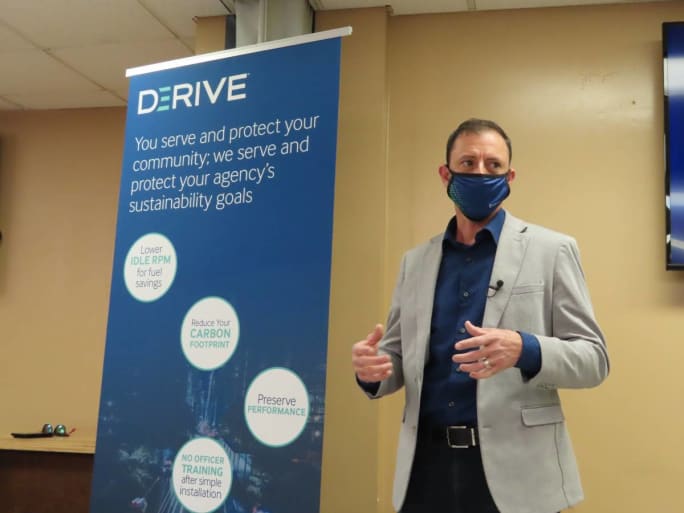
Charlie Mahoney from Derive Systems presents on the device’s capabilities to the City of St. Petersburg.
Photo: Derive Systems
The Greater Impact
Derive’s CEO John Oechsle is confident its device can move the needle in a much larger way. “With 6.2 million fleet vehicles on the road, if we had 15% penetration, that would save $1.2 million metric tons of CO2 a year,” he said. “That’s like taking 74,000 vehicles off the road. And that’s our mission, is to work with fleet operators and save them money on fuel.”
So, why now? The message is clearer now than ever, as the broader market is asking how they can reduce emissions, and the Biden administration’s directive is for all U.S. agencies to revisit fuel efficiency standards and rules governing emissions. But with the cost of EVs often a barrier to some fleets, Derive VQ offers a solution that achieves similar results but pays for itself in a few short months — about the cost of a few new tires.
Derive estimates that fleets can save about 6% in fuel consumption, and 18,000 lbs. of carbon can be reduced per public safety vehicle over a seven-year life cycle. For every 500 vehicles, that equates to 9 million pounds of carbon saved.
Oechsle said that the Derive VQ platform will continue to evolve as EVs also evolve. And Bagwell predicts that they will see high adoption in the next one to two years as more fleets come on board and share their results with each other.
Subscribe to Our Newsletter
More Software
John Deere Introduces Satellite Connectivity for Equipment at Remote Jobsites
Limited cellular coverage can leave public works crews and fleet technicians without access to connected equipment data and diagnostic tools. John Deere's JDLink Boost uses satellite connectivity to extend access to machine information and online resources in remote areas.
Idaho DOT Approves AI-Powered Traffic Detection Technology
The Idaho Transportation Department added Iteris’ Vantage Apex to its Qualified Products List, giving state and local agencies another option for using video and radar to monitor traffic at intersections and inform signal timing.
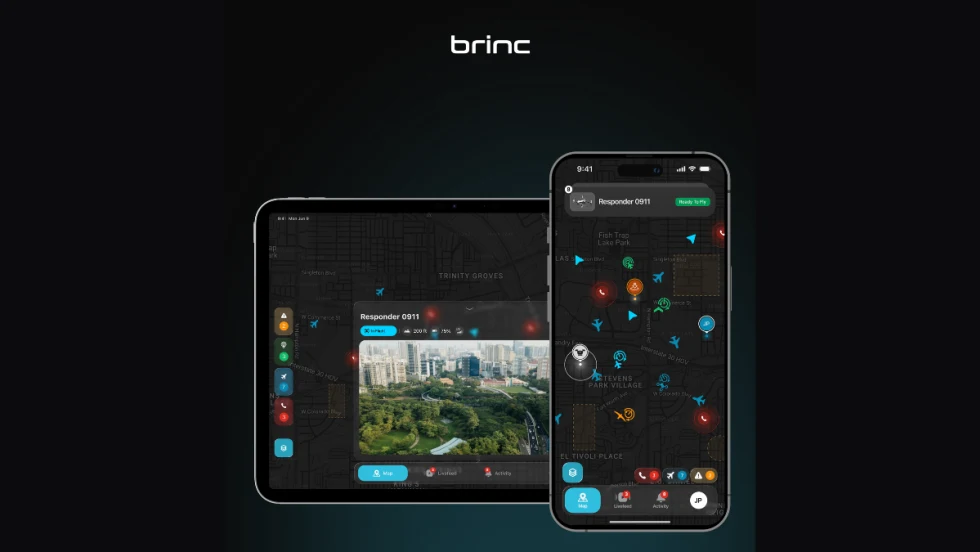
BRINC Launches Mobile App for Public Safety Drone Operations
As more public safety agencies incorporate drones into emergency response, access to aerial footage is expanding beyond drone operators and command centers. BRINC's new iOS app lets authorized personnel monitor live video, review flight information, and access agency drone operations on their mobile devices.
Motive and Routeware Partner to Bring AI-Powered Visual Proof of Service to Waste and Public Works Fleets
The new integration uses Motive AI cameras and telematics to help municipalities and private haulers reduce manual work, settle disputes faster, and protect drivers without leaving the platform their team already works in.
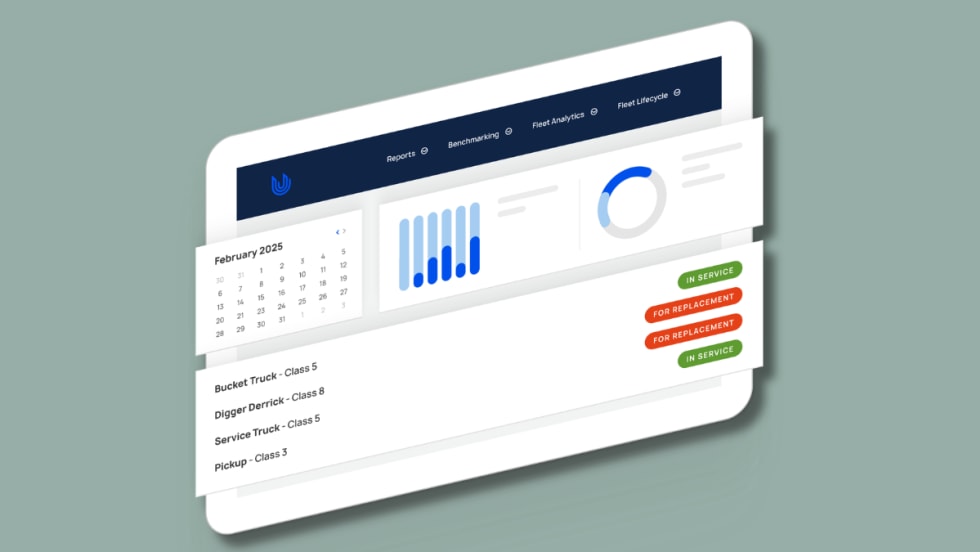
Utilimarc Introduces Vehicle Replacement Planning Tool
Replacing fleet vehicles often involves balancing budgets, maintenance costs, and operational needs. Utilimarc's new planning tool is designed to help fleet managers evaluate replacement priorities using existing fleet data.

Samsara Introduces New Brand Identity
The company behind one of the fleet industry's largest connected operations platforms has unveiled a new look. The updated branding reflects Samsara's growing emphasis on AI-driven tools and digital fleet management.
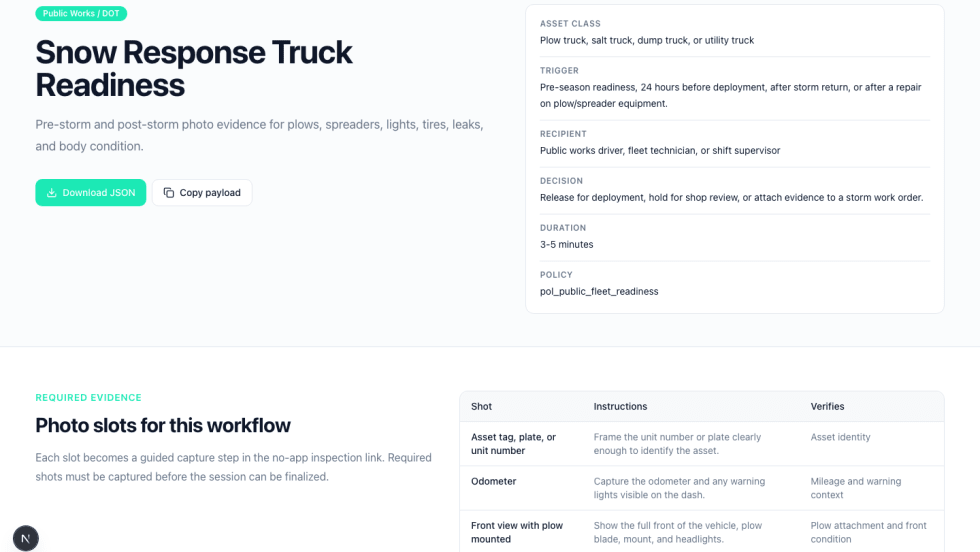
Switch Labs Launches VerifyAI Readiness Kit for Public Fleets
Fleet inspections often rely on paper forms, inconsistent documentation, or manual photo collection. A new toolkit from Switch Labs is designed to give public agencies a more structured way to verify vehicle readiness and track condition over time.
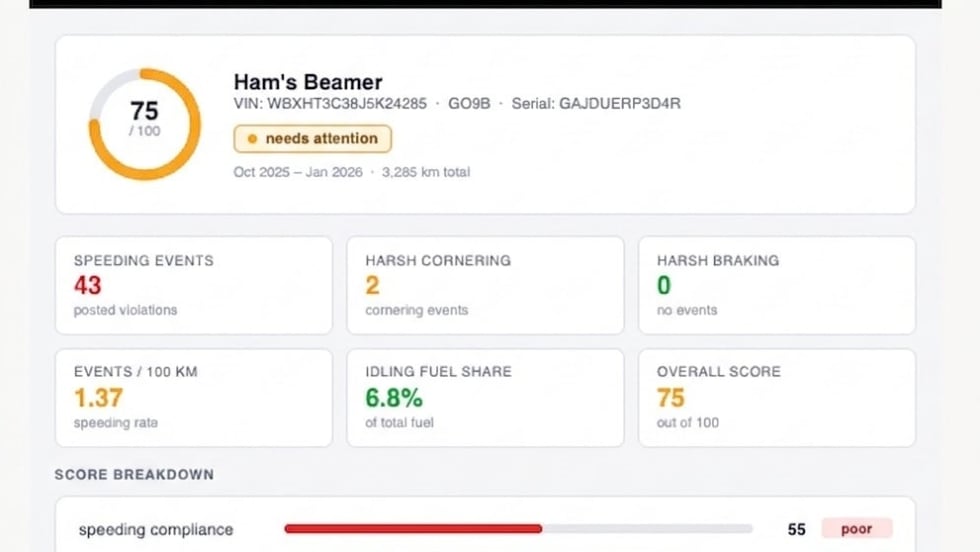
Geotab Launches AI Connector for Fleets
New Geotab MCP Connector enables organizations to securely access live fleet data, automate workflows and take action from within the AI platforms they already use.

Ford Adds AI Fleet Assistant to Ford Pro Telematics Platform
AI-driven insights allow fleet managers to query vehicle data, track performance trends, and identify maintenance needs across connected fleets.
Report Finds 53.3% of Fleets Researching or Piloting AI Capabilities
New benchmark data highlights the cost pressures, maintenance delays, and workforce constraints shaping fleet operations in 2026.