




Related Article: Anti-Idling Technologies: Do They Work?
Idle Efficiency Keeps State and Federal Funds Coming
With increased competition and a growing number of carbon-reduction options, how can a fleet manager make the case that theirs is a cost-effective program, deserving of state or federal support?
by Tom Kanewske
March 4, 2016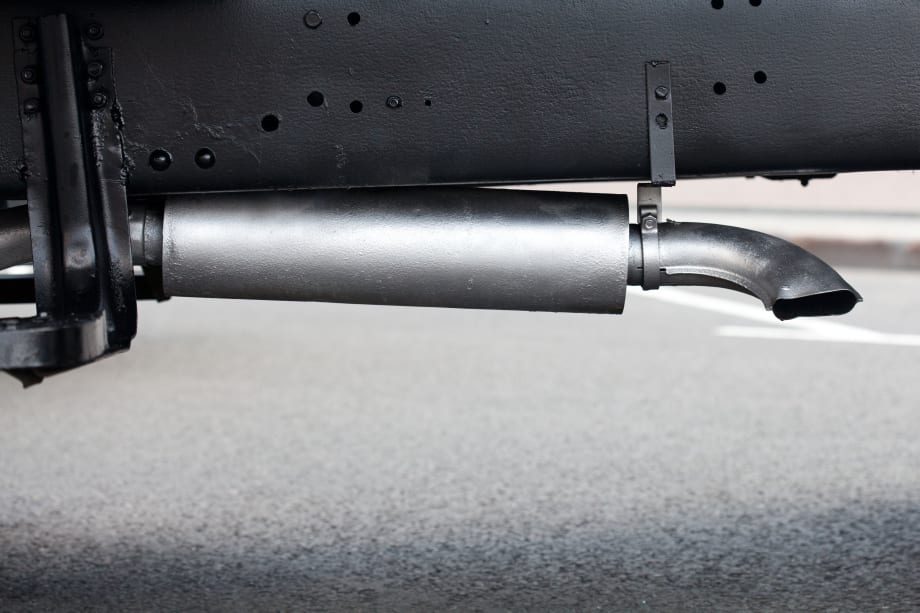
Photo courtesy of Derive Efficiency
2 min to read
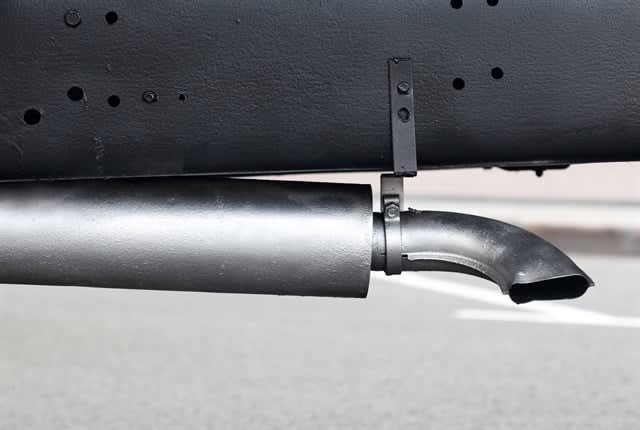
Photo courtesy of Derive Efficiency
With budgets tight at the local level, more fleet managers are looking to qualify for state and federal funds earmarked to help city and county governments meet the requirements of Clean Air Acts. These funds can be a boon to municipal fleets working under severe budget constraints. But with increased competition and a growing number of carbon-reduction options, how can a fleet manager make the case that theirs is a cost-effective program, deserving of state or federal support?
Keep upfront costs low. Your application will look that much better if it shows that you can get the program off the ground for a low initial cost and begin showing results quickly. This is where idle efficiency technology offers an advantage over an alternative-fuel vehicle approach. Startup costs can be recouped quickly, and overall miles-per-gallon savings are much less likely to have an impact on performance.
Make broad, transformative changes. Sure, you could use state or federal funds to begin moving to electric or alternative-fuel vehicles, but the associated costs require a long, gradual ramp up. Building infrastructure to serve a few vehicles, or running vehicles without an infrastructure hinders your ability to demonstrate success. A program centered on idle efficiency could begin with a pilot and quickly extend to the whole fleet, without a large funding commitment.
Set realistic goals. Idle efficiency pilot results can serve as a benchmark, allowing you to set goals that meet or surpass Clean Air Act requirements, and are well within reach by year’s end. That’s key because municipalities receiving funds often must report to oversight boards annually and undergo periodic independent audits to prove they are meeting requirements. For example, one such state program has auditors looking for municipalities to meet a minimum threshold of $10/pound of carbon emissions reduced.
Work with an expert. The final hurdle to clear is navigating the application process and poring over the paperwork to make sure your program meets requirements. Fleet managers would be well served to identify and enlist a local partner with proven experience applying for and winning funds. Their expertise in laying out the details of the program and demonstrating results to oversight boards can mean the difference between winning funds and waiting for next year.
Tom Kanewske is the sr. director of business development for Derive Efficiency, a Florida-based company that provides anti-idling technology. He can be reached at tom.kanewske@derivesystems.com.
Subscribe to Our Newsletter
More Green Fleet
Sustainability Partners, Energy Systems Group Help Albuquerque Close the Gap on its 100% Renewable Energy Goal
The eight-site, 6 MW solar project has advanced the city toward 100% renewable energy for municipal operations.
Read More →
Port Authority and CALSTART Launch $45 Million Electric Truck and Charging Programs
The programs aim to boost sustainable operations across the East Coast's busiest seaport.
Read More →
Moving Government Fleets Beyond the Vehicle Purchase: EV as a Service
A discussion on how EVaaS is moving beyond pilot programs and what fleets should consider before beginning a larger deployment.
Read More →
Moving Government Fleets Beyond the Vehicle Purchase: EV as a Service
As fleets move beyond small EV pilots, Sustainability Partners CEO Adam Cain explains how EVaaS can address the infrastructure and long-term planning required for larger deployments.
Read More →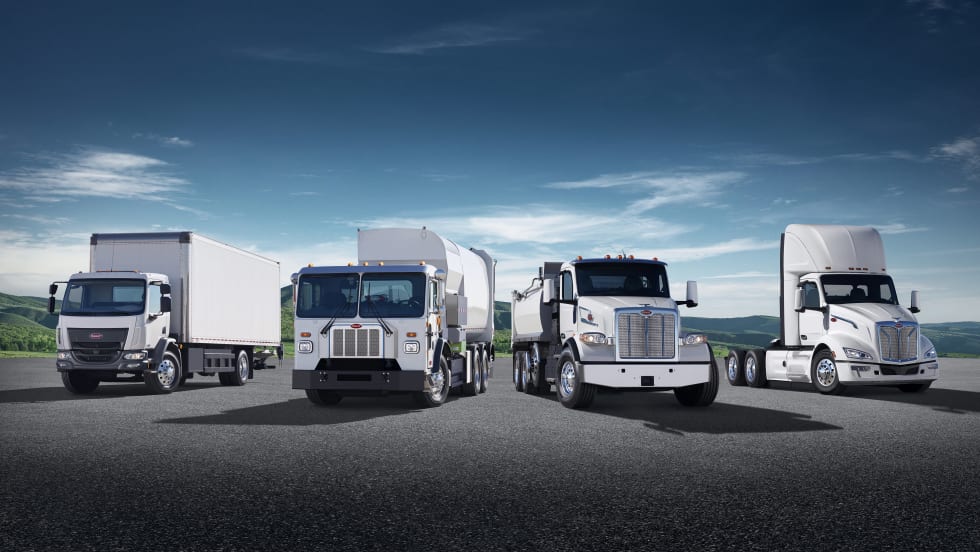
Peterbilt Expands Sourcewell Partnership with Electric Vehicle Lineup
The agreement aims to provide streamlined procurement of Peterbilt trucks for government, education, nonprofit and tribal organizations across the United States and Canada.
Read More →
EV Adoption & Charging Challenges
Where is your fleet in the journey of vehicle electrification? If you're still looking for answers to fleet electrification you've come to the right place.
Read More →
Hawaii Passes Clean Fuel Policy
Hawaii lawmakers passed clean fuel legislation that could support renewable natural gas production, biogas-powered transportation, and lower-carbon fueling options for public and commercial fleets.
Read More →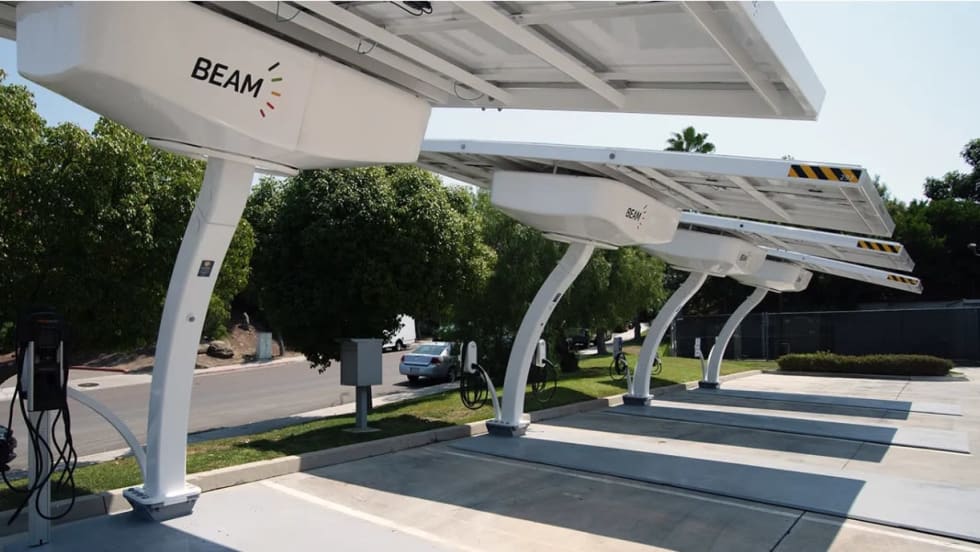
Stanislaus County Deploys Ten Beam Global EV ARC Systems to Support County Fleet Electrification
Stanislaus County deployed 10 off-grid solar-powered EV charging systems and a mobile charging trailer from Beam Global to support its electric fleet operations and emergency response flexibility.
Read More →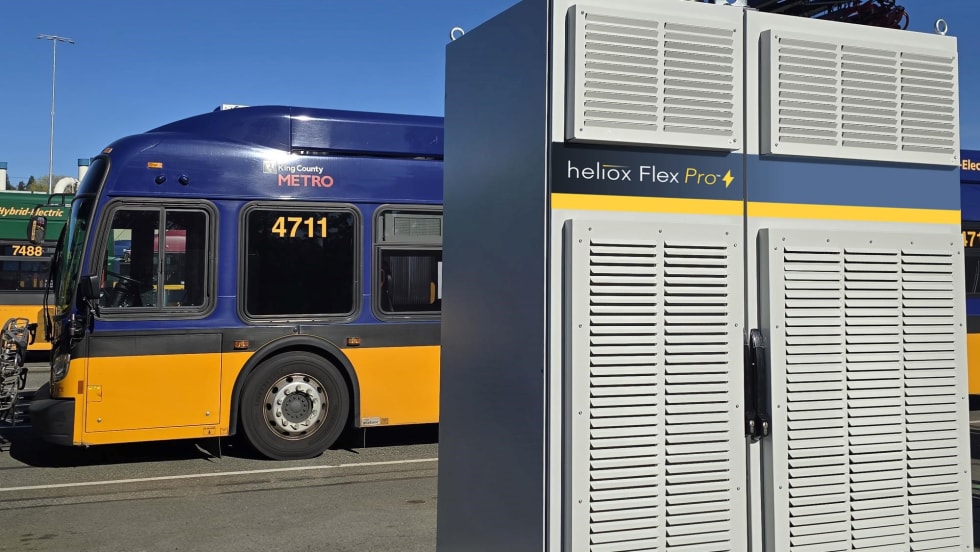
Heliox Pilots 480-kW Bus Charger with King County Metro
King County Metro is piloting Heliox’s new 480-kW Flex Pro charger to support expansion of its battery-electric bus fleet and depot charging infrastructure. The compact charging system supports pantograph and plug-in charging configurations for high-density transit operations.
Read More →