




Washington State Moves to Ban Copper in Brake Pads
SEATTLE - Washington has become the first state in the nation to pass a law to phase out the use of copper in brake pads. The move could eventually make copper-free pads the industry standard in the U.S., according to the Associated Press.
SEATTLE- Washington has become the first state in the nation to pass a law to phase out the use of copper in brake pads. The move could eventually make copper-free pads the industry standard in the U.S., according to the Associated Press. Environmentalists say the metal could pose a hazard to marine life.
Copper is a major source of water pollution because it is present in so many products, including plumbing, paint and building materials.
A study by the nonprofit Sustainable Conservation found that one-third of 530,000 lbs. of copper released from human activity in the San Francisco Bay watershed in 2003 came from automobile brake pads.
Similarly, state ecology officials in Washington estimate 70,000 to 318,000 lbs. of copper are released into Puget Sound each year, with about one-third coming from vehicles.
Brake pads contain as much as 25 percent copper, a metal used because it is good at dissipating heat, Augustine said. Heavier and high-performance vehicles tend to have more copper, but many cars already contain less than 5 percent, he said.
The new law bans brake pads containing more than 5 percent copper starting in 2021. The allowable amount could drop almost to zero in 2023 if manufacturers show it is possible, reported AP. California lawmakers have considered similar legislation, and industry officials expect other states to follow Washington's lead.
One alternative may be ceramic brake pads, which have grown in popularity in recent years, reported AP.
Researchers have yet to document any instances in nature of copper from urban runoff causing widespread problems for aquatic life. But laboratory studies by government scientists have shown that copper at the low levels that have been found in waterways harms young coho salmon's sense of smell, reducing their ability to escape from predators.
"I think this does go a long way toward eliminating a very toxic item in our marine environment," said state Sen. Kevin Ranker, who sponsored the bill.
More Safety
New Partnership Aims to Expand Public Digital Hazard Alert System Statewide
The Hawai’i Department of Transportation (HDOT) is expanding advance digital hazard alerts for the public statewide.
Read More →
New York City Expands Safety Technologies Across Municipal Fleet
Executive Order 19 moves intelligent speed assistance and pedestrian alerts from pilot programs toward standard fleet equipment, offering other public fleets a look at how safety technology can be tested, measured, and scaled.
Read More →
Hidden in Plain Sight: Fleet Compliance Risks
Fleet compliance isn't just about having policies — it's about consistently enforcing them. This practical guide reveals six hidden compliance risks common in public sector and shared fleet operations and outlines proven strategies to improve visibility, accountability, and audit readiness.
Read More →
5 Days Left to Submit Your 2026 Fleet Safety Award Nomination
Know a government fleet, safety, or risk manager who deserves recognition for making fleet operations safer? Nominations are open through Aug. 15.
Read More →
How the First 24 Hours Can Shape a Fleet Crash Response
How a strong accident response process helps government fleets move from the initial report to recovery while building a clearer record for what needs to change next.
Read More →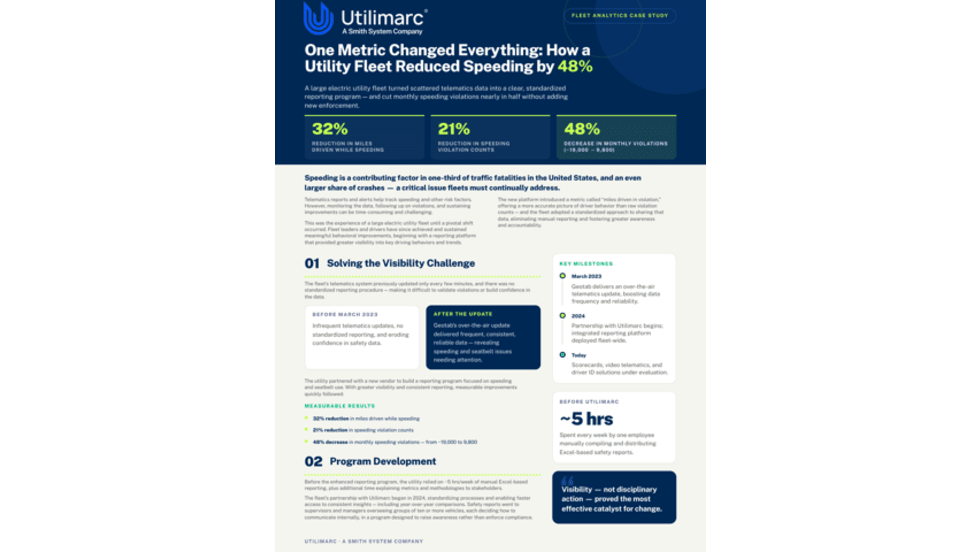
How Better Visibility Cut Speeding Violations by 48%
Fleet leaders don't need more data, they need clearer visibility into what the data is saying. This case study explores how one utility replaced speeding-event counts with a single metric — miles driven in violation — to strengthen safety and significantly reduce speeding violations.
Read More →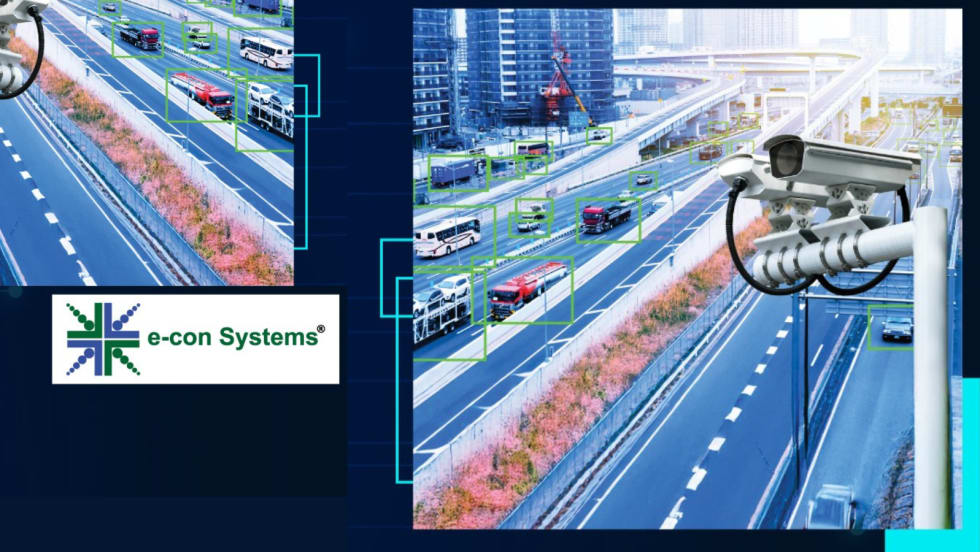
e-con Systems Expands AI Camera Tools for Traffic Monitoring
The systems support license plate recognition, traffic analytics, and video management for transportation agencies.
Read More →
King Township Pilot Links Driver Feedback to Reduced Speeding
How King Township, a best-in-class municipal fleet, reduced speeding by 10.9% and demonstrated a projected 349% ROI by putting safety ownership directly in drivers' hands.
Read More →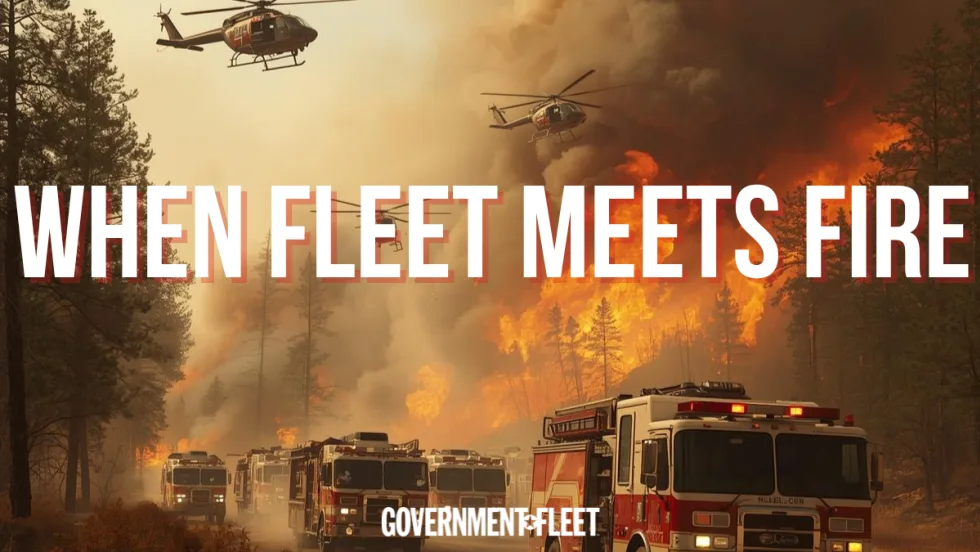
Beyond the Fireline: The Critical Role of Public Fleets in Wildfire Response
Behind every wildfire response is a complex network of vehicles, data, and decisions that must work in sync under extreme pressure. Global heating trends require strong fleet coordination and reliable communications to keep crews safe and operations running smoothly.
Read More →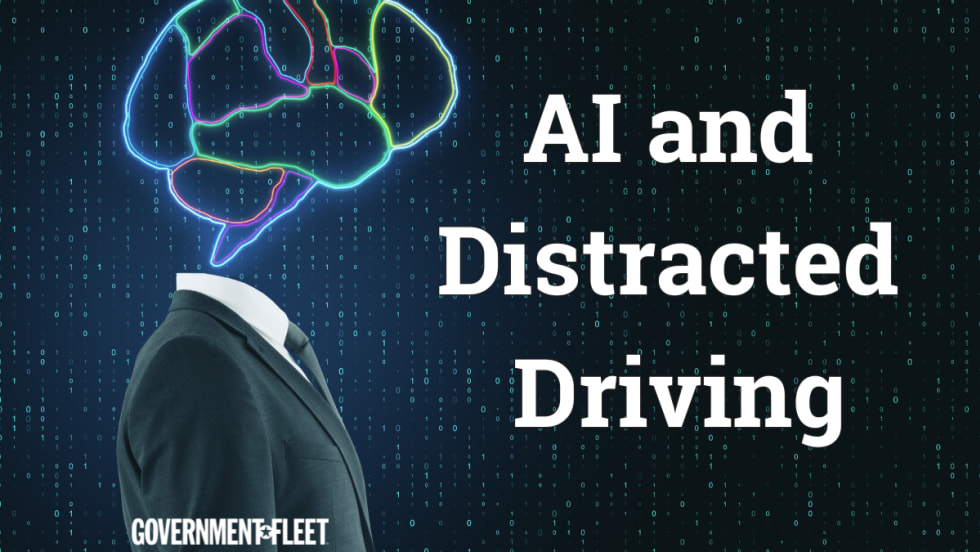
How AI Is Transforming Public Fleet Safety - Part 1
AI-powered safety systems are helping public fleets tackle distracted driving by delivering real-time coaching and measurable behavior change behind the wheel. In part one of our Q&A, Nauto CEO Stefan Heck explains how agencies can improve safety, reduce costs, and navigate implementation challenges with AI-driven technology.
Read More →