





Embracing Electric: The Rise of Electric Construction Equipment
Vermont Builds Its Electric Equipment Fleet
With the goal to lower its carbon footprint, Vermont bought an electric compact excavator and continues to acquire more electric equipment and vehicles.
December 19, 2022
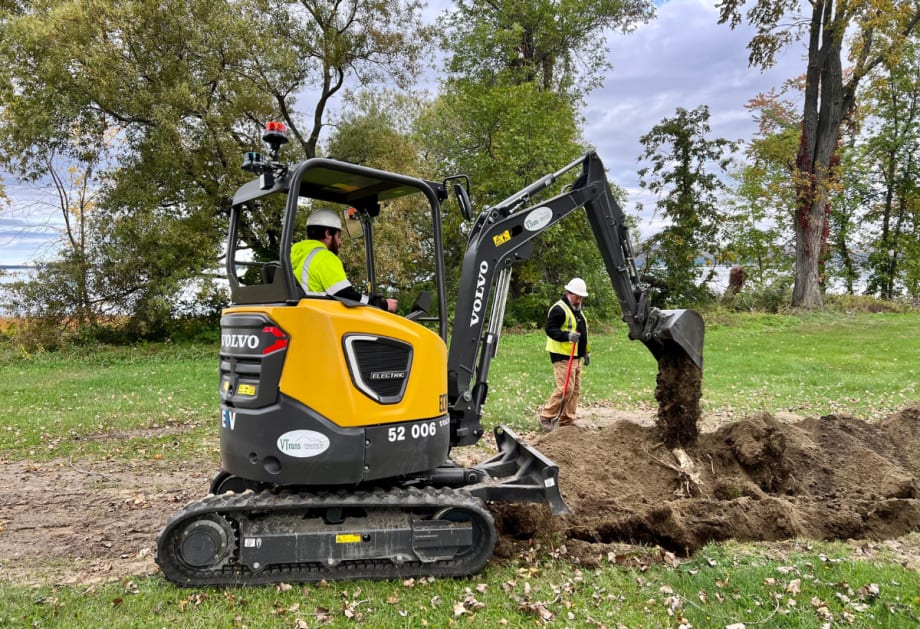
Vermont Agency of Transportation bought its first electric compact excavator.
Vermont Agency of Transportation
2 min to read
The state of Vermont recently purchased its first electric compact excavator.
Bought by the Vermont Agency of Transportation (AOT), the Volvo ECR25 Electric compact excavator is used to perform the many required duties and activities for highway maintenance.
“Vermont AOT wants to test the capabilities of many types of electric vehicles. When the compact electric excavator was available, we wanted to acquire it to start the testing of these types of machines,” said Todd Law, PE, deputy division director – District Maintenance and Fleet Division, Vermont Agency of Transportation.
The machine has been in the fleet for a few months now and Law says the staff said it has been working well.
Building an Electric Fleet
AOT goal is to transition its vehicles and equipment to all-electric or hybrid as part of its goal to switch from carbon-based fueled vehicles and equipment to more efficient or alternative fuels, according to Law.
“With that, much of our newly purchased light-duty and passenger fleet is converting to electric, hybrid-electric, or hybrid vehicles where available. We are attempting to acquire some electric equipment to test the capabilities based on our needs. This includes medium- to heavy-duty trucks, excavators, loaders, and the like,” he added.
Plus, AOT wants to add another compact electric excavator in early 2023 and a compact electric wheel loader to be shared throughout the state in over 50 garages.
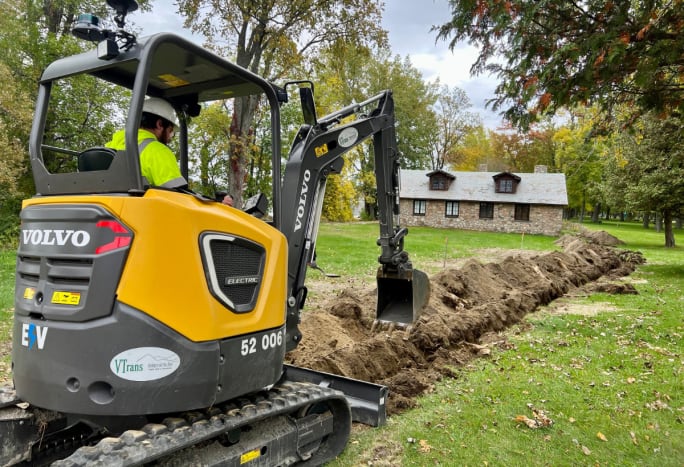
The Volvo ECR25 Electric compact excavator will be shared throughout Vermont.
Vermont Agency of Transportation
To achieve a fleet goal of transitioning to more efficient or alternative fuels, Law recommends starting small, with one or two electric or alternative fuel vehicles. That way, fleet managers and staff can test them out before fully transitioning.
Law concluded, “Our conversion has been based on reviewing the normal duty cycle for the piece(s) of equipment and the listed duty cycle (battery life) of the electric vehicle/equipment to determine if it will meet the needs of our activities. In colder temperatures, the battery capabilities provide lower battery life and that should be considered.”
“The technology is changing rapidly, and many of our employees are unfamiliar with it, so giving them the opportunity to try it on a smaller scale will help to ease into the conversion and provide valuable insight into the viability of replacing equipment in the future,” he added.
More Equipment
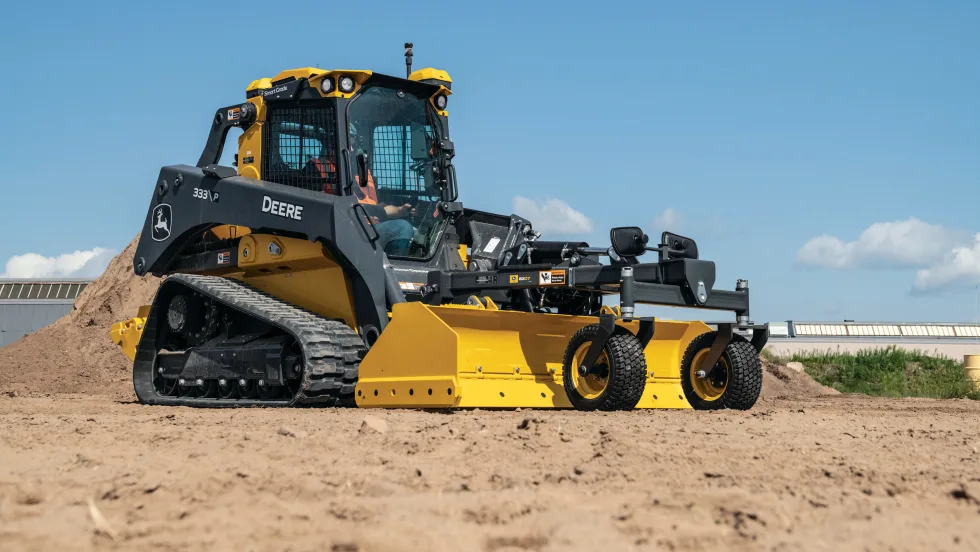
John Deere Adds SmartGrade Box Blades, Fire Suppression Option
John Deere is expanding the capabilities of its compact track loaders with new grading attachments and an equipment protection option. The additions include two SmartGrade box blades for the 333 and 335 P-Tier models and an integrated fire suppression system for large-frame machines.
Read More →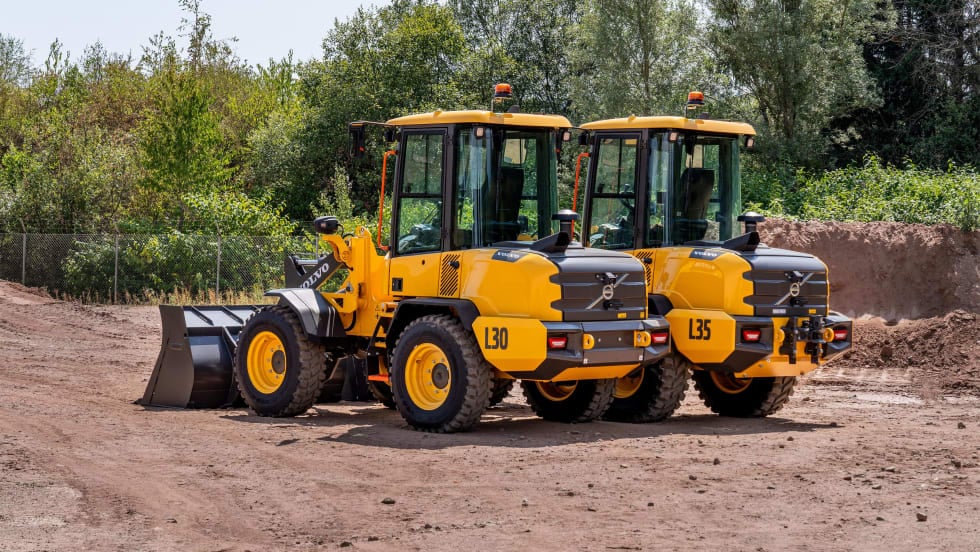
Volvo Updates L30 and L35 Compact Wheel Loaders With Redesigned Rear Frame
The updates aim to provide customers with more flexibility to use the machines for different jobs while improving service access and everyday operation.
Read More →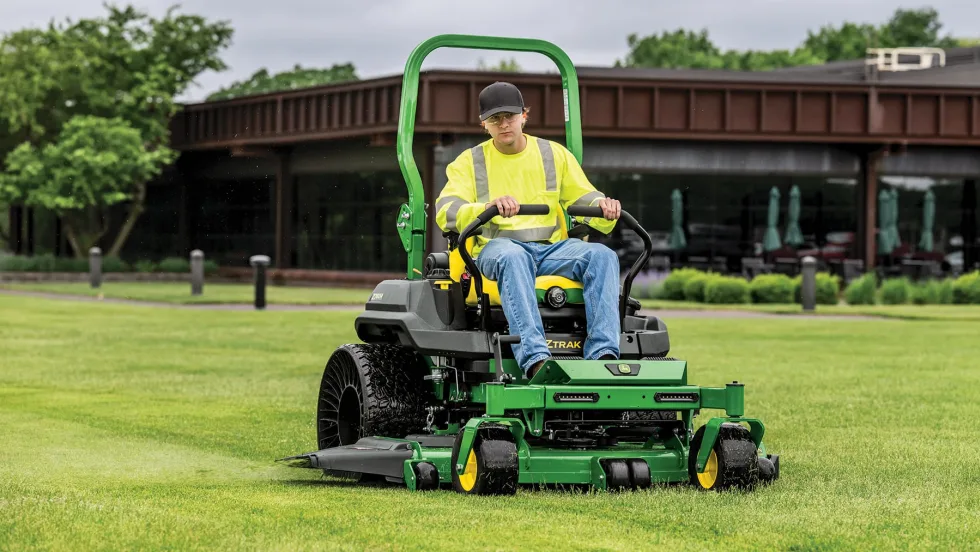
John Deere Updates Z700 ZTrak Commercial Mower Lineup
Public agencies responsible for maintaining large properties have several updated mower options from John Deere. The refreshed Z700 ZTrak lineup adds upgraded engines, transmissions, mower decks, and operator features across four models.
Read More →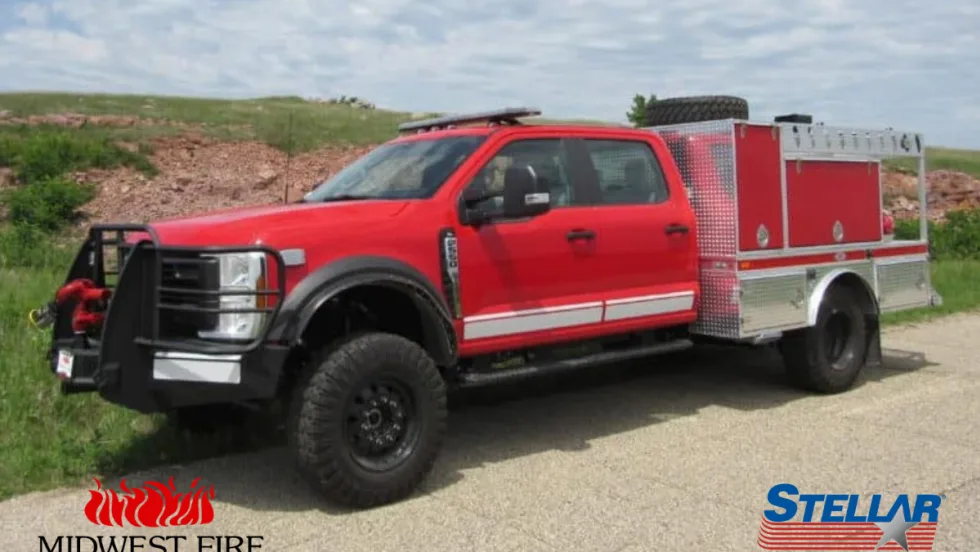
Stellar Industries Acquires Midwest Fire
The acquisition brings a manufacturer of custom fire apparatus under Stellar Industries, expanding the work-truck manufacturer into the fire and emergency response market. Midwest Fire will continue operating from its existing Minnesota headquarters as a distinct company.
Read More →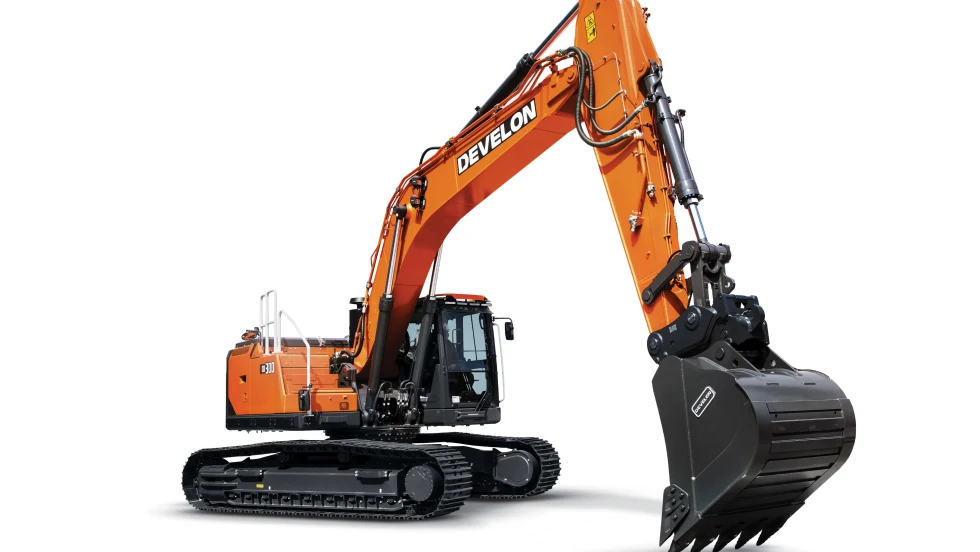
DEVELON Adds DX300LC-9 Excavator to -9 Series
For public works operations handling infrastructure, road, and utility projects, DEVELON has added a new 33-metric-ton excavator to its equipment lineup. The DX300LC-9 combines updated controls with technology designed to address operator safety, equipment monitoring, and machine operation.
Read More →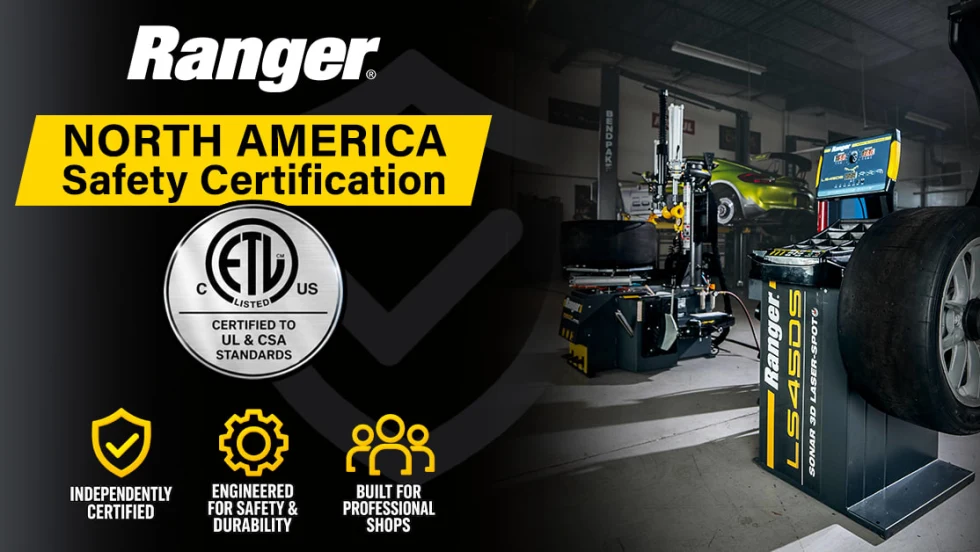
BendPak Ranger Wheel Service Equipment Receives Safety Certification
Equipment used every day in fleet maintenance shops comes with its own set of safety considerations. Following an 18-month redesign and testing process, BendPak's Ranger tire changers and wheel balancers have received certification to applicable U.S. and Canadian safety standards.
Read More →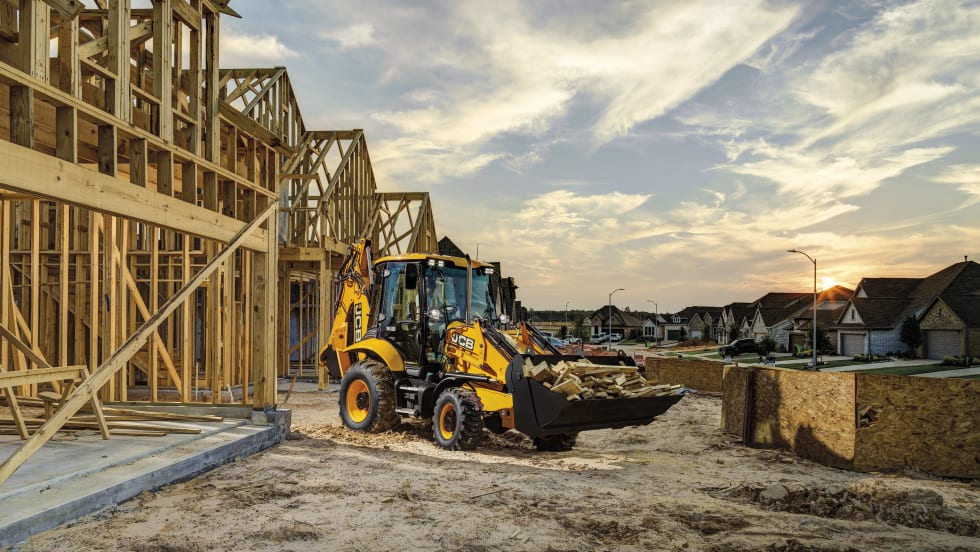
JCB Introduces Dual Drive System for Backhoe Loaders
Public works operators traditionally switch positions and controls each time they reposition a backhoe during excavation. JCB's new Dual Drive system is designed to allow operators to move the machine while remaining at the excavator controls.
Read More →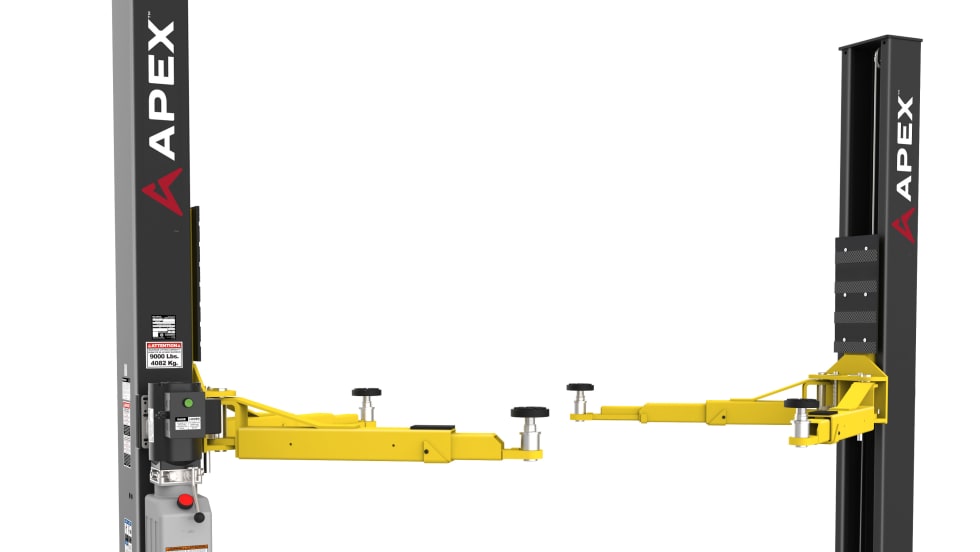
APEX by BendPak Launches AL9LC Two-Post Lift
The new low-ceiling floorplate car lift is designed to maximize overhead clearance for fleets.
Read More →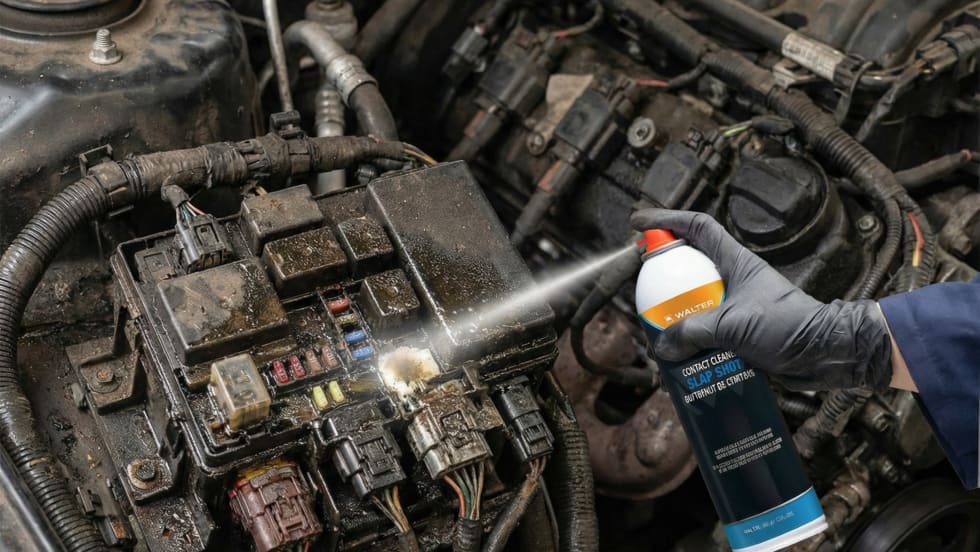
New Slap Shot Contact Cleaner: Heavy-Duty Cleaning Power Without the Residue
Slap Shot Contact Cleaner combines fast contaminant removal, rapid evaporation, moisture displacement, no-wipe cleaning, non-conductive performance, and residue-free cleaning into a single solution.
Read More →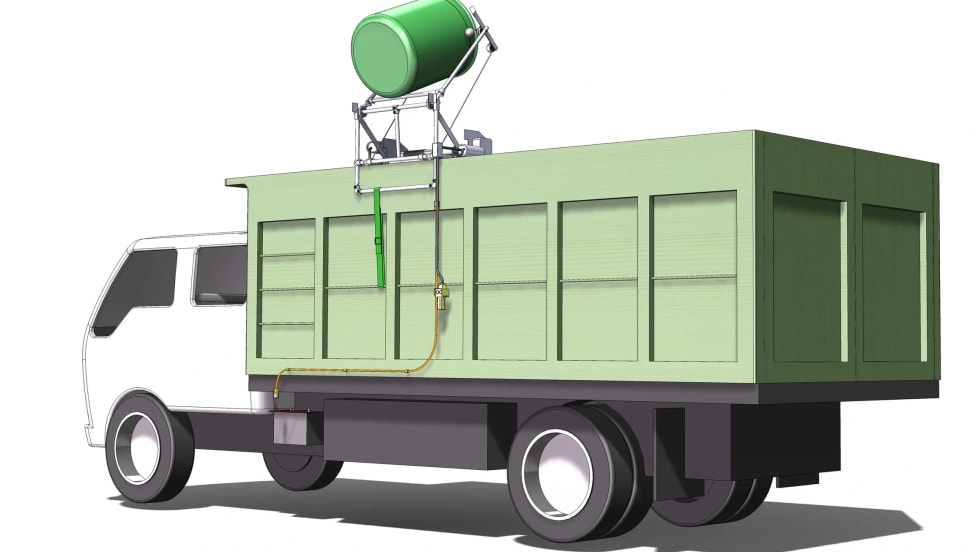
New Powered Carry Barrel Lift Helps Crews Dump Heavy Barrels Into Trucks With Less Manual Lifting
The Carry Barrel Lift is a new truck-mounted attachment designed to help landscape and municipal crews lift and dump heavy 60-gallon barrels more efficiently while reducing manual strain.
Read More →