




Toyota Helps Ky. Fleet Reduce Repair Time by 75%
Following a fleet improvement project with Toyota’s Production System Support Center, the Louisville Metro (Ky.) fleet has reduced its repair backlog by 37% within two months and repair time by 75%.

Photo courtesy of Louisville Metro.
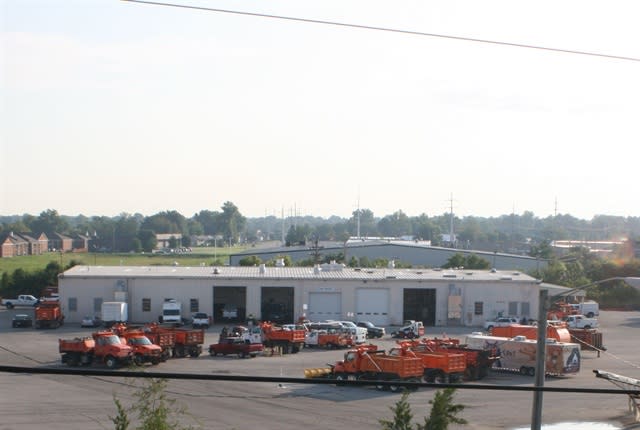
Photo courtesy of Louisville Metro.
Following a fleet improvement project with Toyota’s Production System Support Center (TSSC), the Louisville Metro (Ky.) fleet has reduced its repair backlog by 37% within two months and repair time by 75%.
“The perception was it took too long to get vehicles serviced,” said Claude Jeffries, fleet supervisor, in a video about the project.
“Before Toyota came in, folks would drop their vehicles off; they would lay payerwork wherever. We didn’t have any idea how many vehicles we had standing on the lot,” said Cathy Duncan, director of facilities and fleet management.
Now vehicles are driven to a vehicle ready line or drop-off area. Technicians began logging what was in the shop and made a visual board for tracking purposes. They cleaned, marked, and labeled areas of the shop.
Repair time has decreased from one month to less than two weeks, Jeffries said.
The project was a result of a citywide goal for fleet improvement, and Duncan believes it should be expanded to other departments.
According to the Metro website, Metro’s fleet consists of 2,600 vehicles and 1,300 pieces of auxiliary equipment.
TSSC is a Kentucky-based non-profit resource for any organization interested in adopting the Toyota Production System to strengthen quality and efficiency. According to the Courier-Journal, the group donated its time and expertise for the three-month project.
The city gave Toyota a Partners in Government Performance and Innovation award for its assistance with the project.
To view a video of the project, click here.
More Operations

Connect with Government Fleet on LinkedIn
From industry news and fleet management strategies to conversations with peers, Government Fleet's LinkedIn page offers public-sector fleet professionals another way to stay informed and connected.
Read More →
Town of Queen Creek Named Most Successful Fleet Award Winner of Inaugural RTA Fleet Success Awards
Five fleets were honored at RTA Connect 2026 in Chicago for excellence across resource efficiency, intentional culture, risk management, and stakeholder satisfaction.
Read More →
A buyer's guide to fleet management software in 2027
Buying fleet management software in 2027 means looking beyond features and price. As fleet operations, technology and expectations evolve, this guide explores what today’s fleet professionals should consider when choosing a system that can deliver value now and adapt to what comes next.
Read More →
Hazard Alerts, Fleet Car Sales Rise and a New Shuttle Concept
Fleet car sales doubled, but the bigger picture tells a different story in this week’s roundup.
Read More →
How St. Johns County Turned Fleet Data Into Better Replacement Decisions
St. Johns County, Florida, had fleet data, but turning it into reliable decision guidance was another matter. Instead of starting over with a new fleet management system, the county connected existing tools and built a scoring system that gives managers an objective look at fleet health.
Read More →
Fleet Forward Conference Introduces One-Day Passes for 2026
New one-day registration lets fleet professionals attend Tuesday, Wednesday, or Thursday, with passes available for $249.
Read More →
ENC Unveils its ZAVIR Medium-Duty Shuttle
Two variants of the concept shuttles were revealed: a low-floor configuration and a high-floor configuration.
Read More →
Could Your Next Fleet Technician Start as an Intern?
What if your next technician hasn’t worked in a fleet shop yet? What fleets are doing to free up time.
Read More →
How Phoenix Is Building Its Next Generation of Fleet Technicians
With more than 8,000 vehicles and pieces of equipment to maintain, the City of Phoenix could not afford to wait for fully trained technicians to walk through the door. Instead, they revamped their entire workforce strategy and showed how public fleets can create their own talent pipeline while preparing existing employees for increasingly complex vehicles.
Read More →
What’s Slowing Your Fleet Down?
Could a change in how work gets done help your fleet return vehicles to service sooner?
Read More →