





The Tire: What You Should Know
The Rise of the Soy-Based Tire
In an effort to move toward a more sustainable and and green fleet, the city of Alexandria has started using soy-based tires.
May 17, 2024
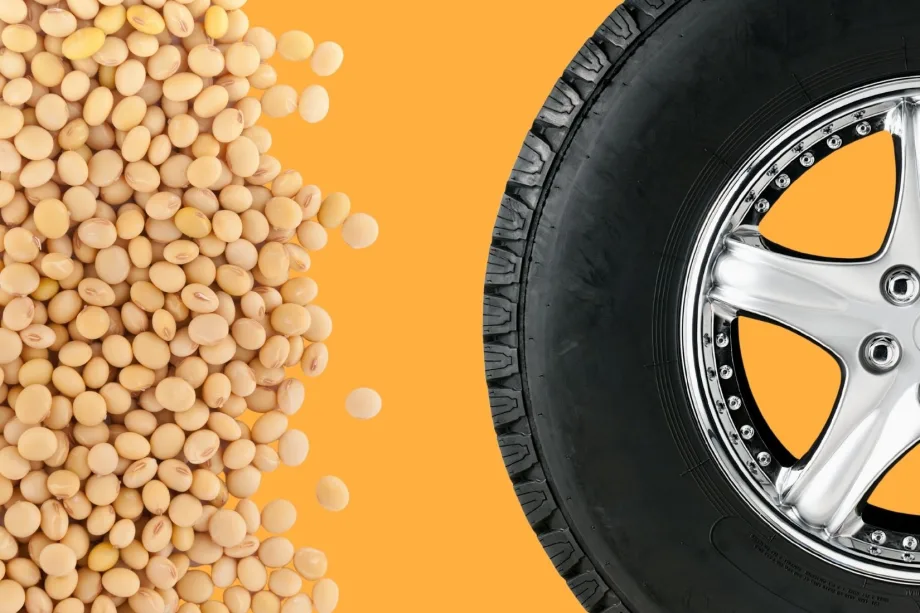
As fleets move incorporate more sustainable initiatives, components such as tires as also seeing a change.
Photo: Government Fleet
2 min to read
As more fleet operations place a greater emphasis on sustainability and green efforts, many are exploring changes to enhance their environmental impact. For the city of Alexandria Fleet Management, Virginia, this focus on sustainability has led to a shift in the tires being used across its fleet.
In an effort toward sustainability, Alexandria's fleet management has begun using the Eagle Enforcer All Weather Tires. These tires, developed by Goodyear, are designed to perform in demanding operating conditions encountered by police vehicles. They are notable for their use of soybean oil in the tire compound.
Several factors have influenced Alexandria's decision to adopt these soy-based tires:
Environmental Impact: The use of soybean oil in the tire compound is aimed at reducing the reliance on petroleum-based products.
Performance in Various Conditions: The Eagle Enforcer All Weather tires are meant to provide traction and handling in dry and wet conditions.
Enhanced Safety: Soybean oil has been reported to improve tire performance, offering better traction and grip, especially in wet conditions.
Economic Benefits: The soy-based compound is designed to enhance the wear life of the tires, potentially leading to cost savings over time. The multi-zoned design and high silica content help increase grip and stability, with a goal to reduce the need for frequent tire replacements.
More Fleets Incorporating Soy-Based Tires
The Forest Preserve District of DuPage County, Illinois, named the 2023 No. 1 small fleet for the Leading Fleets Award, runs an active and efficient fleet of approximately 350 on- and off-highway vehicles.
An impressive 95% of DuPage's on-road fleet uses alternative fuels such as E85, Biodiesel, LPG, CNG, hybrids, or EVs. They have also commenced the procurement of Goodyear soy-based tires for law enforcement vehicles, with plans to extend usage to work trucks as additional sizes of these tires become available.
To reduce the percentage of petroleum product used in vehicle tires, New York City Department of Citywide Administrative Services partnered with the Clean Fuels Alliance to introduce soy-based biotires. Since 2018, fleet agencies, led by NYPD, have procured 1,931 light duty tires manufactured with soy products, according to DCAS, which first reported on this initiative in August 2020.
In its goal to reduce fleet emissions, the city of Madison, Wisconsin, has relied on biodiesel, hybrid-electric vehicles, electric vehicles, solar charging, anti-idling technology, and soy tires.
The city of Moline, Illinois, Fleet and Facilities Manager Sarah Mark has helped the city implement environmentally friendly soy-based tires and motor oil, as well as other sustainable fleet and facilities products.
More Operations

Who Deserves Fleet Recognition and What Could You Teach at GFX?
Who helped shape your fleet career, and what have you learned that could help someone else?
Read More →
What’s Haunting Public Sector Fleets?
Public sector fleet challenges rarely happen in isolation, and addressing one often means understanding how it connects to another.
Read More →
Is Keeping Older Fleet Vehicles Really Saving Money?
Is keeping vehicles longer saving money, and what happens when a diagnostic test points to the wrong fix?
Read More →
How Smart Fleet Strategy Can Help Local Government Agencies Do More with Less
Keeping a vehicle longer may ease this year’s budget, but what does it cost the next one? A closer look at fleet decisions can reveal opportunities to reduce spending while protecting essential services.
Read More →
Connect with Government Fleet on LinkedIn
From industry news and fleet management strategies to conversations with peers, Government Fleet's LinkedIn page offers public-sector fleet professionals another way to stay informed and connected.
Read More →
Town of Queen Creek Named Most Successful Fleet Award Winner of Inaugural RTA Fleet Success Awards
Five fleets were honored at RTA Connect 2026 in Chicago for excellence across resource efficiency, intentional culture, risk management, and stakeholder satisfaction.
Read More →
Sponsored•October 14, 2026
A buyer's guide to fleet management software in 2027
Buying fleet management software in 2027 means looking beyond features and price. As fleet operations, technology and expectations evolve, this guide explores what today’s fleet professionals should consider when choosing a system that can deliver value now and adapt to what comes next.
Read More →
Hazard Alerts, Fleet Car Sales Rise and a New Shuttle Concept
Fleet car sales doubled, but the bigger picture tells a different story in this week’s roundup.
Read More →
How St. Johns County Turned Fleet Data Into Better Replacement Decisions
St. Johns County, Florida, had fleet data, but turning it into reliable decision guidance was another matter. Instead of starting over with a new fleet management system, the county connected existing tools and built a scoring system that gives managers an objective look at fleet health.
Read More →
Fleet Forward Conference Introduces One-Day Passes for 2026
New one-day registration lets fleet professionals attend Tuesday, Wednesday, or Thursday, with passes available for $249.
Read More →