




Related: Overtime: A Cost-Effective Solution to Improve In-House Productivity
Tampa Shifts Staffing to Reduce Overtime Costs
A staff shortage that resulted in rising overtime costs has led the City of Tampa's fleet management division to adjust the way it handles repair work, the city's interim fleet manager told Government Fleet.

Paul Clinton・Senior Web Editor
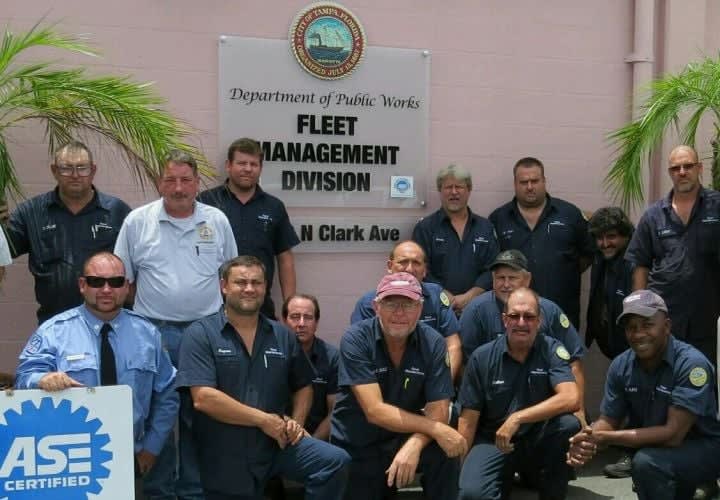
Photo courtesy of City of Tampa.
2 min to read
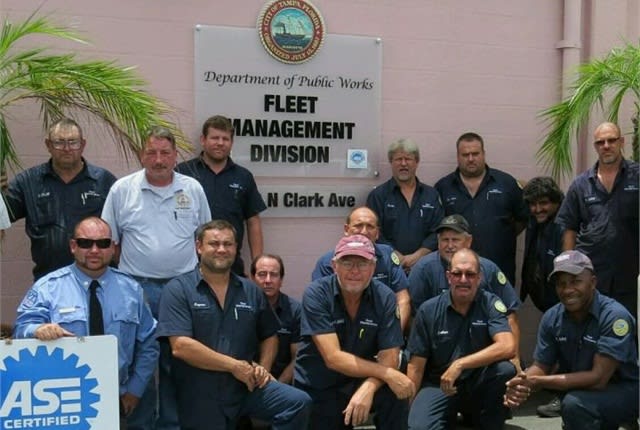
Photo courtesy of City of Tampa.
A staff shortage that resulted in rising overtime costs has led the City of Tampa's fleet management division to adjust the way it handles repair work, the city's interim fleet manager told Government Fleet.
The department's overtime use came into public view in a media report by ABC News that cast the practice in a harsh light. One fleet employee racked up 1,217 hours of overtime in 2014 and 950 hours the prior year, according to the report.
Connie White-Arnold, the city's interim fleet manager, has begun implementing staffing adjustments in the short-handed unit that reports to the city's Logistics and Asset Management Department.
The staffing shortage reached a critical point in 2014 following several years of staff downsizing on the fleet unit's busiest repair line that handles work on sedans and light trucks, including police vehicles that provide the heaviest work flow. The line, which is responsible for 1,680 vehicles, had lost seven technicians and service attendants in seven years.
"We have been using overtime to keep up with the workload," White-Arnold said. "We're also looking at ways to change our process and streamline things."
Until recently, the line had been using one service attendant to handle fluid fills and changes. It was this entry-level worker that racked up heavy overtime hours mostly on police vehicles. The fleet unit has hired two workers on the line, including one that started earlier this year, White-Arnold said. There are now six tecnicians and two service attendants on the line.
"The downsizing came as a result of our previous administration," she said. "However, under our present mayor, we have been able to bring back two positions, and fill other critical vacancies within fleet."
To better control costs and continue service levels, White-Arnold closed the fleet garage on Saturdays and altered weekday hours to better manage the heavy workload. The shop moved to two weekday shifts from 6 a.m. to 3 p.m. and 9 a.m. to 6 p.m. She implemented an express lane that diagnoses work and completes jobs that will take less than two hours. Other jobs go in as a work order.
"We put measurements in effect to control the maintenance process," she said. "By condensing the hours and brining more bodies into the peak hours, I have more of a robust day shift."
More Maintenance

Freeing Technicians for Higher-Priority Repairs
Could paid interns help public fleets free up experienced technicians for more complex repairs?
Read More →
Sponsored•September 18, 2026
Stay ready, set and safer with verified fleet inspections
When fleet inspections aren’t verifiable, missed defects can quickly become downtime, safety risks, and service delays. This white paper shows government and municipal fleet leaders how digital inspections can improve accountability, catch issues earlier, and keep vehicles ready when they’re needed most.
Read More →
Using Oil Analysis to Help with Engine Losses
How a Texas city changed its lubrication practices and began tailoring preventive maintenance intervals after test results showed oil degradation and fuel dilution.
Read More →
Sponsored•August 10, 2026
Hidden in Plain Sight: Fleet Compliance Risks
Fleet compliance isn't just about having policies — it's about consistently enforcing them. This practical guide reveals six hidden compliance risks common in public sector and shared fleet operations and outlines proven strategies to improve visibility, accountability, and audit readiness.
Read More →
Is Your Fleet Garage Holding Back Your Operation? | The Fleet Breakroom
Norman Barrientos of Barrientos Design & Consulting explains how agencies can use operational data to show decision-makers why a replacement or major renovation is needed.
Read More →
Reducing Long-Term Maintenance Costs and Downtime
Downtime is rarely caused by a single surprise failure but rather by an issue that builds over time through setbacks ranging from deferred maintenance to poor replacement planning. So what's the fix?
Read More →
The Future of Government Fleet Technicians with Mike Cleary
Insight on preparing for hybrid and electric vehicle service, what fleets need to know about recruiting technicians in a competitive market, and how to make the most of limited training budgets.
Read More →
Work Orders Are More Than Records. They're a Roadmap to Fleet Availability
What if your work orders could predict failures, uncover hidden costs, and boost fleet availability? Here's how leading fleets are using the data.
Read More →
Drive More Profit with Greater Fleet Uptime
Fleet downtime costs money. JASPER helps keep vehicles on the road with quality remanufactured components, fast nationwide delivery, and reliable solutions that boost uptime and profitability.
Read More →
Smart Seasonal Maintenance Tips for Government Fleets
Government fleets carry extra weight, and routes, schedules, and public trust depend on reliability. A systematic spring checklist keeps vehicles in service when agencies need them most.
Read More →