





Study Reveals Ongoing Challenges Faced by Fleet Managers
The study, based on a survey conducted in February 2023, highlighted significant shifts in fleet managers' priorities over time.
June 30, 2023
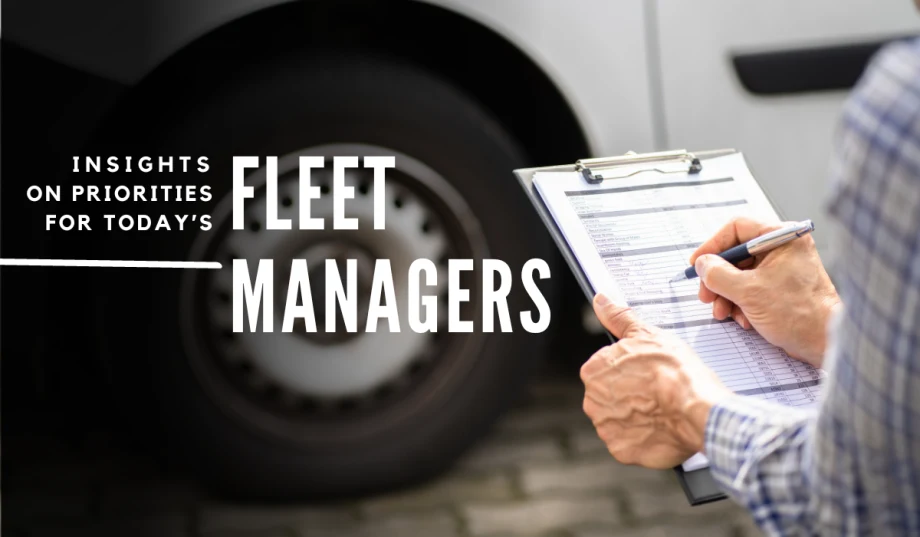
Approximately 42% of fleet managers consider staying informed about regulatory changes as a key element of compliance with the Federal Motor Carrier Safety Administration.
Photo: Government Fleet via Canva.com
3 min to read
A recent study, titled "The State of Fleet Management: Insights on Priorities for Today's Fleet Managers," conducted by the J. J. Keller Center for Market Insights, sheds light on the ongoing challenges faced by fleet managers in the transport industry. The study, based on a survey conducted in February 2023, highlighted significant shifts in fleet managers' priorities over time.

Shift in Priorities Related to the Fleet
The study revealed a notable 39% increase in the number of fleet managers prioritizing the safe and correct operation of specific vehicle types by their drivers compared to the previous year. Regarding identification of vehicle damage and non-compliance, fleet managers were found to place a higher emphasis on quickly identifying vehicle or trailer damage and non-compliance, as compared to the previous year with a 24% jump.
Additionally, the value placed on having all driver files consolidated in one place has increased by 13%, enabling fleet managers to easily demonstrate compliance. In 2022 this was at 22% rising to 35% in 2023.

Emphasis on Regulatory Awareness
The study highlighted the growing importance of regulatory awareness for fleet managers. Approximately 42% of fleet managers consider staying informed about regulatory changes as a key element of compliance with the Federal Motor Carrier Safety Administration.
Fleet managers encounter various challenges in their role, including:
Compliance and Rule Changes: Managing compliance and staying updated with rule changes are cited as significant challenges. Navigating the complex regulatory landscape, which includes OSHA, FMCSA requirements, and various state, city, and county guidelines, is particularly demanding.
Continuous Compliance with Vehicles: Maintaining continuous compliance with all vehicles poses a significant challenge for fleet managers.
A Priority for Driver Knowledge and Skills
Improving the knowledge and skills of drivers is a top priority for fleet managers. The study identifies key areas for improvement, including:
Safe and Correct Operation of Vehicle Types: 62% of respondents consider the safe and correct operation of specific vehicle types as the highest priority, marking a substantial 39% increase compared to the previous year.
Injury Prevention and Accident Response: Other important driver knowledge and skills identified include preventing injuries while working and driving (28%), knowing appropriate actions to take in the event of an accident (27%), and avoiding distracted driving (26%).
Support for Continuous Learning
While 63% of fleet managers believe their companies predominantly or entirely emphasize continuous learning, the study reveals that 37% of respondents expressed dissatisfaction with the level of support they receive.
As the risk of "nuclear verdicts" and FMCSA audits continues to increase, fleet managers are expected to prioritize staying up-to-date with regulatory requirements and enhancing driver knowledge and skills. The insights provided in the study can facilitate discussions among industry stakeholders, helping them understand fleet managers' priorities and constraints while offering support for their ongoing success.
More Operations

Is Keeping Older Fleet Vehicles Really Saving Money?
Is keeping vehicles longer saving money, and what happens when a diagnostic test points to the wrong fix?
Read More →
How Smart Fleet Strategy Can Help Local Government Agencies Do More with Less
Keeping a vehicle longer may ease this year’s budget, but what does it cost the next one? A closer look at fleet decisions can reveal opportunities to reduce spending while protecting essential services.
Read More →
Connect with Government Fleet on LinkedIn
From industry news and fleet management strategies to conversations with peers, Government Fleet's LinkedIn page offers public-sector fleet professionals another way to stay informed and connected.
Read More →
Town of Queen Creek Named Most Successful Fleet Award Winner of Inaugural RTA Fleet Success Awards
Five fleets were honored at RTA Connect 2026 in Chicago for excellence across resource efficiency, intentional culture, risk management, and stakeholder satisfaction.
Read More →
Sponsored•October 14, 2026
A buyer's guide to fleet management software in 2027
Buying fleet management software in 2027 means looking beyond features and price. As fleet operations, technology and expectations evolve, this guide explores what today’s fleet professionals should consider when choosing a system that can deliver value now and adapt to what comes next.
Read More →
Hazard Alerts, Fleet Car Sales Rise and a New Shuttle Concept
Fleet car sales doubled, but the bigger picture tells a different story in this week’s roundup.
Read More →
How St. Johns County Turned Fleet Data Into Better Replacement Decisions
St. Johns County, Florida, had fleet data, but turning it into reliable decision guidance was another matter. Instead of starting over with a new fleet management system, the county connected existing tools and built a scoring system that gives managers an objective look at fleet health.
Read More →
Fleet Forward Conference Introduces One-Day Passes for 2026
New one-day registration lets fleet professionals attend Tuesday, Wednesday, or Thursday, with passes available for $249.
Read More →
ENC Unveils its ZAVIR Medium-Duty Shuttle
Two variants of the concept shuttles were revealed: a low-floor configuration and a high-floor configuration.
Read More →
Could Your Next Fleet Technician Start as an Intern?
What if your next technician hasn’t worked in a fleet shop yet? What fleets are doing to free up time.
Read More →