




Sequestration: Furloughs & Reduced Federal Funding Ahead
On March 1, the federal spending cuts known as sequestration went into effect. Government Fleet outlines some of the cuts that may affect public-sector fleet managers.
On March 1, the federal spending cuts known as sequestration went into effect. The U.S. Congress approved, and President Obama signed off on, the Budget Control Act of 2011, which required sequestration as an alternative to a future Congressional budget deal that would have involved more targeted spending cuts.
Sequestration will cut roughly $1.2 trillion in federal government agency spending over a period of 10 years. The first group of cuts, around $85 billion in budget authority, go into effect this year and will be spread across defense and non-defense budgets in federal programs. Government Fleet outlines some of the cuts that may affect public-sector fleet managers.
Sequestration is likely to result in furlough days for federal employees, and a White House Office of Management and Budget (OMB) memo dated Feb. 27 advised agencies to identify employees to be furloughed and how the furloughs would be administered.
The memo also encouraged agency heads to exercise scrutiny when hiring new personnel, issuing “discretionary monetary awards,” sending employees to training and conferences, and for overall travel.
As for services, the federal government expects national parks services will be affected, with some parks to be fully or partially closed. Additionally, the National Wildlife Federation estimates that the sequestration will lead to the closure of 128 wildlife refuges.
Sequestration will also lead to reduced grants, loans, and federal assistance to States and local governments, according to the OMB memo. The Federal Emergency Management Agency (FEMA) will reduce funding for state and local grants that support firefighter and emergency management positions. USA Today reported that the Environmental Protection Agency (EPA) grant program to fund cleanups of leaking underground storage tanks would be affected, leading to reduced cleanups of contaminated sites. In addition, rebate payments on subsidy bonds are expected to be reduced by 7.6%, according to a statement by the National League of Cities. These bonds, specifically Build America Bonds, are designed to reduce the borrowing costs of state and local government entities.
A Wells Fargo Securities Economics Group study outlined the top five states with highest exposure to non-defense cuts. They include Washington D.C., Maryland, Virginia, New Mexico, and Idaho.
Sequestration originally resulted from the 2011 battle over raising the U.S. debt ceiling. To resolve the debate at the time, both parties agreed to the 2011 Budget Control Act, which required Congress to either find a way to make more targeted spending cuts or to let sequestration’s $1.2 trillion across-the-board cuts go into effect. The Budget Control Act also set up the Joint Select Committee on Deficit Reduction, also called the “supercommittee,” which was supposed to help Congress develop a future budget deal as the preferred alternative to sequestration. The supercommittee was unable to bring both houses of Congress to an agreement. The deadline set in the Budget Control Act passed without an alternative deal, so sequestration went into effect.
By Greg Basich & Thi Dao
More Maintenance

Freeing Technicians for Higher-Priority Repairs
Could paid interns help public fleets free up experienced technicians for more complex repairs?
Read More →
Stay ready, set and safer with verified fleet inspections
When fleet inspections aren’t verifiable, missed defects can quickly become downtime, safety risks, and service delays. This white paper shows government and municipal fleet leaders how digital inspections can improve accountability, catch issues earlier, and keep vehicles ready when they’re needed most.
Read More →
Using Oil Analysis to Help with Engine Losses
How a Texas city changed its lubrication practices and began tailoring preventive maintenance intervals after test results showed oil degradation and fuel dilution.
Read More →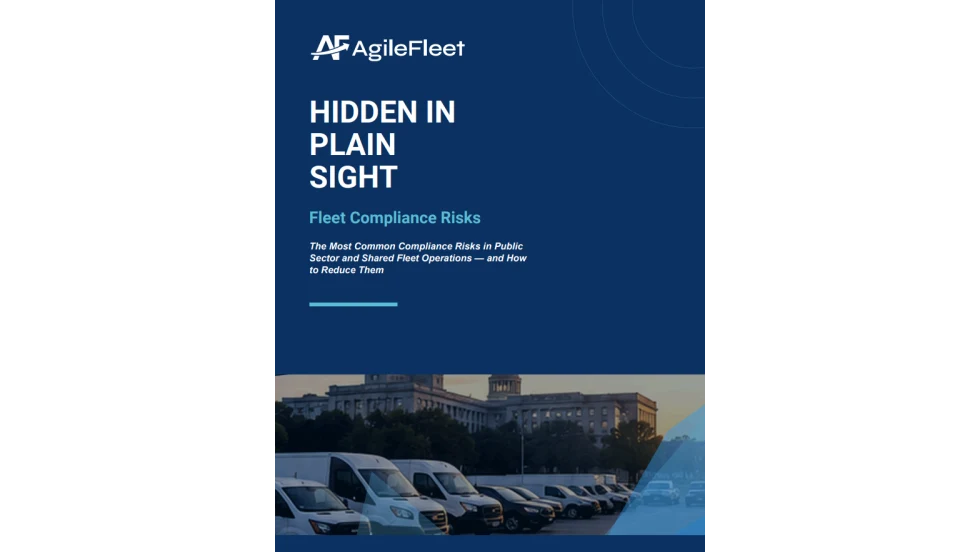
Hidden in Plain Sight: Fleet Compliance Risks
Fleet compliance isn't just about having policies — it's about consistently enforcing them. This practical guide reveals six hidden compliance risks common in public sector and shared fleet operations and outlines proven strategies to improve visibility, accountability, and audit readiness.
Read More →
Is Your Fleet Garage Holding Back Your Operation? | The Fleet Breakroom
Norman Barrientos of Barrientos Design & Consulting explains how agencies can use operational data to show decision-makers why a replacement or major renovation is needed.
Read More →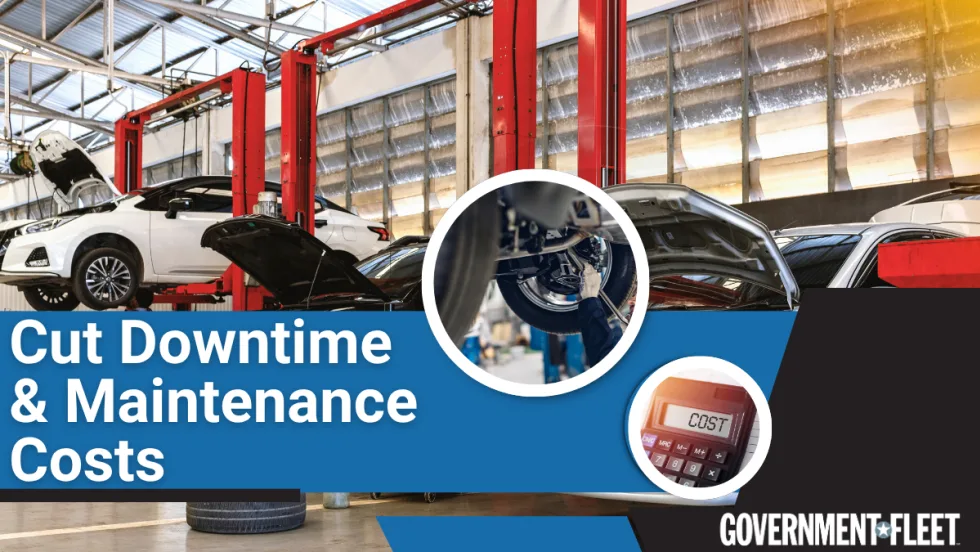
Reducing Long-Term Maintenance Costs and Downtime
Downtime is rarely caused by a single surprise failure but rather by an issue that builds over time through setbacks ranging from deferred maintenance to poor replacement planning. So what's the fix?
Read More →
The Future of Government Fleet Technicians with Mike Cleary
Insight on preparing for hybrid and electric vehicle service, what fleets need to know about recruiting technicians in a competitive market, and how to make the most of limited training budgets.
Read More →
Work Orders Are More Than Records. They're a Roadmap to Fleet Availability
What if your work orders could predict failures, uncover hidden costs, and boost fleet availability? Here's how leading fleets are using the data.
Read More →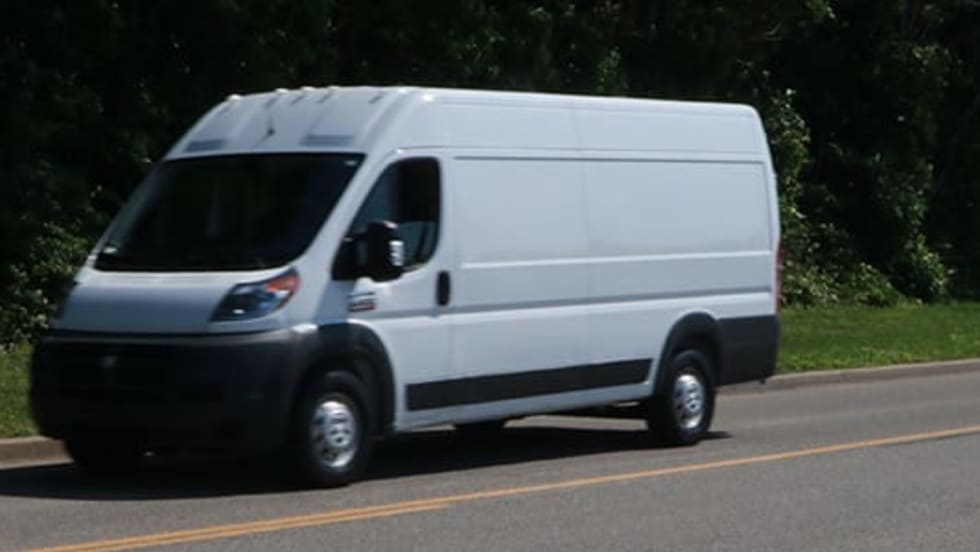
Drive More Profit with Greater Fleet Uptime
Fleet downtime costs money. JASPER helps keep vehicles on the road with quality remanufactured components, fast nationwide delivery, and reliable solutions that boost uptime and profitability.
Read More →
Smart Seasonal Maintenance Tips for Government Fleets
Government fleets carry extra weight, and routes, schedules, and public trust depend on reliability. A systematic spring checklist keeps vehicles in service when agencies need them most.
Read More →