





Read More: North Carolina City Launches Idle Reduction Pilot Program
Salt Lake City Partners with Sawatch Labs and Kimley-Horn for Fleet Electrification Study
The study will assess Salt Lake City’s fleet operations and provide a comprehensive plan for transitioning to electric vehicles.
September 27, 2023

The fleet electrification study will encompass various key components, including an electric vehicle suitability assessment for Salt Lake City's 1,400-vehicle fleet.
Photo: Sawatch Labs
2 min to read
Sawatch Labs and Kimley-Horn were selected to conduct a fleet electrification study for Salt Lake City. This study, aimed at promoting sustainability and reducing greenhouse gas emissions, will assess Salt Lake City’s fleet operations and provide a plan for transitioning to electric vehicles.
“Salt Lake City prides itself on setting aggressive, but achievable, environmental goals to improve air quality and reduce carbon emissions. We aim to transition most of our municipal fleet to electric vehicles over the next few years, as described in our Joint Resolution on Electrified Transportation,” said Mayor Erin Mendenhall. “This electrified fleet assessment and the partnership with Sawatch with Kimley-Horn is a key factor to allow us to meet those goals in a timely and cost-effective manner, while balancing fleet resiliency and operational needs.”
Helping the City Reach its Sustainability Goals
This fleet electrification study will encompass various components, including an electric vehicle suitability assessment for Salt Lake City's 1,400-vehicle fleet. This assessment will be conducted using Sawatch Labs' ezEV software. It will consider operational feasibility, total cost of ownership analysis, and projected GHG emissions reductions to develop a wellstructured vehicle deployment plan. This assessment holds the potential to significantly assist Salt Lake City in reaching its sustainability goals.
In addition, Kimley-Horn will conduct an Electric Vehicle Supply Equipment (EVSE) assessment
to evaluate site infrastructure capacity and identify necessary upgrades to meet the fleet's
charging needs. Utilizing the analyses provided by Sawatch Labs' ezIO software, Kimley-Horn
will deliver site assessments and determine the project charging demand at each location based
on the actual fleet operations.
Emergency Response Preparedness and Resiliency
As part of the study, Kimley-Horn will also conduct an Emergency Response Preparedness and
Resiliency needs assessment. This segment of the project will identify opportunities to enhance
fleet resiliency through on-site electricity generation and storage solutions, with the aim to strengthen Salt Lake City’s commitment to sustainability.
By harnessing cutting-edge technology and expertise in the field, Sawatch Labs and Kimley-
Horn are confident the study's findings and recommendations will lay the groundwork for a
greener, more sustainable fleet in Salt Lake City.
"We are honored to have the opportunity to work with Salt Lake City and contribute to their
sustainability goals through this electrification study. Together with Kimley-Horn, we look forward to implementing impactful and sustainable solutions that align with Salt Lake City’s
vision," said Matthew Helm, CEO of Sawatch Labs.
The project is already underway, and the results are expected to be delivered throughout the second half of 2023.
More Operations

Could Your Next Fleet Technician Start as an Intern?
What if your next technician hasn’t worked in a fleet shop yet? What fleets are doing to free up time.
Read More →
What’s Slowing Your Fleet Down?
Could a change in how work gets done help your fleet return vehicles to service sooner?
Read More →
Can Public Fleets Trust the Data Driving Their Decisions?
Public fleets have more data than ever, but inconsistent records and missing information can still undermine maintenance, replacement, and cost decisions.
Read More →
How Phoenix Is Building Its Next Generation of Fleet Technicians
With more than 8,000 vehicles and pieces of equipment to maintain, the City of Phoenix could not afford to wait for fully trained technicians to walk through the door. Instead, they revamped their entire workforce strategy and showed how public fleets can create their own talent pipeline while preparing existing employees for increasingly complex vehicles.
Read More →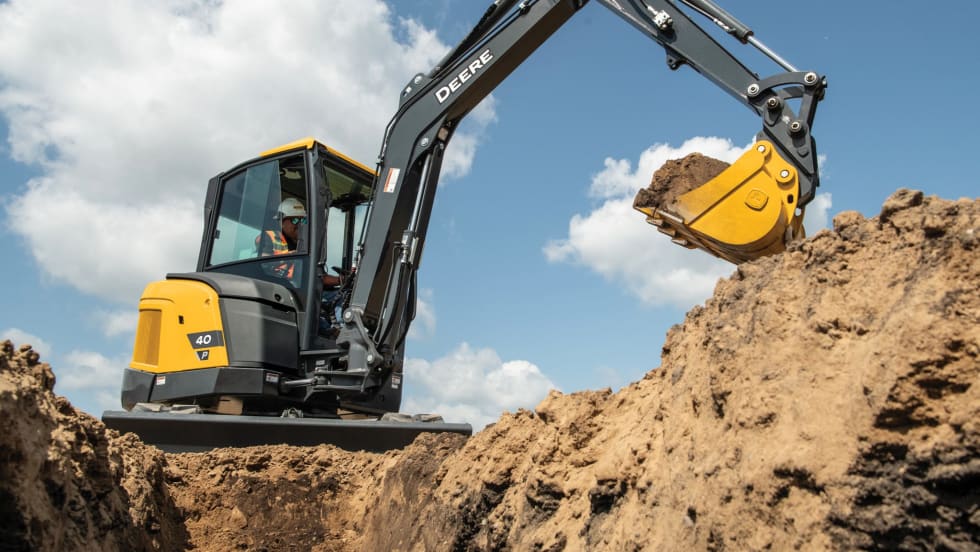
John Deere Introduces 40 P-Tier Compact Excavator
John Deere is adding a compact excavator designed for crews that need to move equipment between jobsites and handle multiple types of work with one machine. The 40 P-Tier weighs less than 10,000 pounds and offers configurable hydraulics, attachment options, and connected fleet-management capabilities.
Read More →
How Leading Fleets Improve and Why Business Plans Matter
This week, we look at what past Leading Fleet winners can teach us about making progress, plus how to build a business plan your fleet will actually use.
Read More →
Nominate a Fleet Leader for the 2027 Public Fleet Hall of Fame
Do you know a fleet leader who has made a lasting impact on the industry? Nominate this fleet professional for the 2027 Public Fleet Hall of Fame.
Read More →
Why Fleet Business Plans Need Three Perspectives
A fleet business plan should help agency leaders understand the fleet’s value, give the organization a clear direction, and establish shared expectations with customer departments.
Read More →
How Oil Analysis, Safety Technology, and Fleet Awards Drive Improvement
What happens when fleets let measured results guide their next decision?
Read More →
Emergency Response, Fleet Sales and New Technology
This week’s fleet news covers emergency preparedness, shifting vehicle sales, electric truck investments, and new tools for monitoring road conditions.
Read More →