





Similar Content: Texas Border City Faces Difficulties With Damaged Police Fleet
Report Reveals Run-Down Fire, EMS Fleets in Pittsburgh
As Pittsburgh's emergency responders put more miles and wear on fire trucks and EMS vehicles, leaders are requesting new vehicles.
February 16, 2022
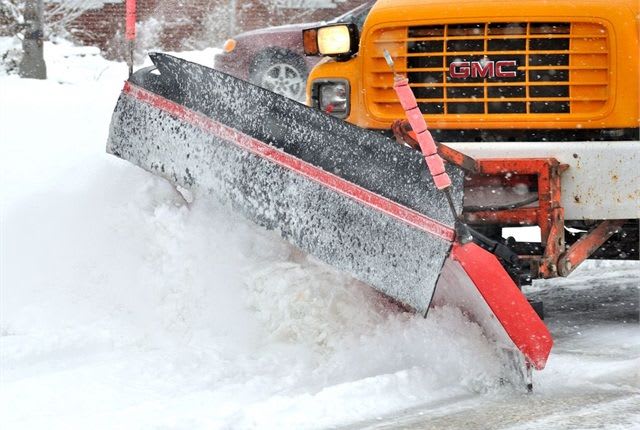
A comprehensive report on Pittsburgh's fire and EMS vehicles reveals they are becoming run-down.
3 min to read
Pittsburgh's Bureau of Fire and Bureau of Emergency Medical Services (EMS) fleets are run-down, and there's no relief in sight. That's according to a newly released comprehensive report on the state of the city government's bureaus.
No Funding to Replace Aging EMS Vehicles
The EMS report included an October 2021 e-mail from Ronald Romano, chief of the Bureau of EMS. He said the frontline fleet is continuing to age and increase in mileage. Spare trucks are also aging, causing breakdowns and prolonged out-of-service time while switching.
Romano said constantly rotating between newer and older trucks can be risky and the age of the current fleet is highly concerning to him. Ten of the bureau's vehicles are currently housed at outside parking spaces, exposing them to the outdoor elements. Romano suggested using a warehouse to store and protect them. The inside garage currently used by the EMS holds seven stocked ambulances, four motorcycles and two bicycles that are only used for special events, and three large ambulances for disasters.
The fleet includes 13 Advanced Life Support (ALS) trucks, the oldest of which was manufactured in 2017. Although that may not seem outdated, the report said high mileage impacts the performance of even the newer models. The city's scuba truck was manufactured in 1987, and the rescue truck was manufactured in 1982. Spare trucks are used weekly to allow routine preventive maintenance service to the newer vehicles.
There was no order placed for new trucks last year, and there was also no order for receipt this year due to budget constraints.
In the October 2021 e-mail, Romano said he believes the bureau needs three new ALS ambulances yearly to continue a solid rotation. He said in not receiving any new ones, the need for them and cost for them builds onto what will be needed next year.
He went on to say he will need nine ALS ambulances for 2023, at a cost of almost $3 million. Because the bureau hasn't been given approval to purchase more vehicles, the report stated that it may not get any new vehicles until late 2023, if then, due to the order completion time. The report found that covered storage may help extend the lifecycle of existing vehicles.
New Vehicles Will Replace Aged Fire Fleet
Pittsburgh Fire Chief Darryl Jones said the condition of his aging fire fleet is a concerning. In the report, Jones said there are 11 trucks and 30 engines on the road day to day. Spare trucks and engines are used when the newer trucks and engines are out for regular maintenance. At least five of the department's frontline trucks are more than 11 years old. Jones said he would prefer the frontline trucks to be newer than 10 years old. He reported that the budget was approved for the purchase of three new engines, which have been ordered. One new engine is expected this year, and two additional engines will arrive next year. The cost of the engines is $600,000, with trucks averaging $1.1 million. Jones said reaching the goal of having four additional engines would result in the bureau having a standardized fleet.
Ralph Sicuro, president of the local firefighters union, told reporters at PublicSource that the department lacks a robust set of reserve trucks. While breakdowns during emergencies are rare, they do become more likely as vehicles age, Sicuro reported.
“Our lives depend on these equipment operating properly at a structure fire,” Sicuro said. “The last thing you want is to be deep into a building, and the pumper you’re using to pump water breaks down and you have to get out of there quickly.”
More Safety
New Partnership Aims to Expand Public Digital Hazard Alert System Statewide
The Hawai’i Department of Transportation (HDOT) is expanding advance digital hazard alerts for the public statewide.
Read More →
New York City Expands Safety Technologies Across Municipal Fleet
Executive Order 19 moves intelligent speed assistance and pedestrian alerts from pilot programs toward standard fleet equipment, offering other public fleets a look at how safety technology can be tested, measured, and scaled.
Read More →
Sponsored•August 10, 2026
Hidden in Plain Sight: Fleet Compliance Risks
Fleet compliance isn't just about having policies — it's about consistently enforcing them. This practical guide reveals six hidden compliance risks common in public sector and shared fleet operations and outlines proven strategies to improve visibility, accountability, and audit readiness.
Read More →
5 Days Left to Submit Your 2026 Fleet Safety Award Nomination
Know a government fleet, safety, or risk manager who deserves recognition for making fleet operations safer? Nominations are open through Aug. 15.
Read More →
How the First 24 Hours Can Shape a Fleet Crash Response
How a strong accident response process helps government fleets move from the initial report to recovery while building a clearer record for what needs to change next.
Read More →
Sponsored•July 17, 2026
How Better Visibility Cut Speeding Violations by 48%
Fleet leaders don't need more data, they need clearer visibility into what the data is saying. This case study explores how one utility replaced speeding-event counts with a single metric — miles driven in violation — to strengthen safety and significantly reduce speeding violations.
Read More →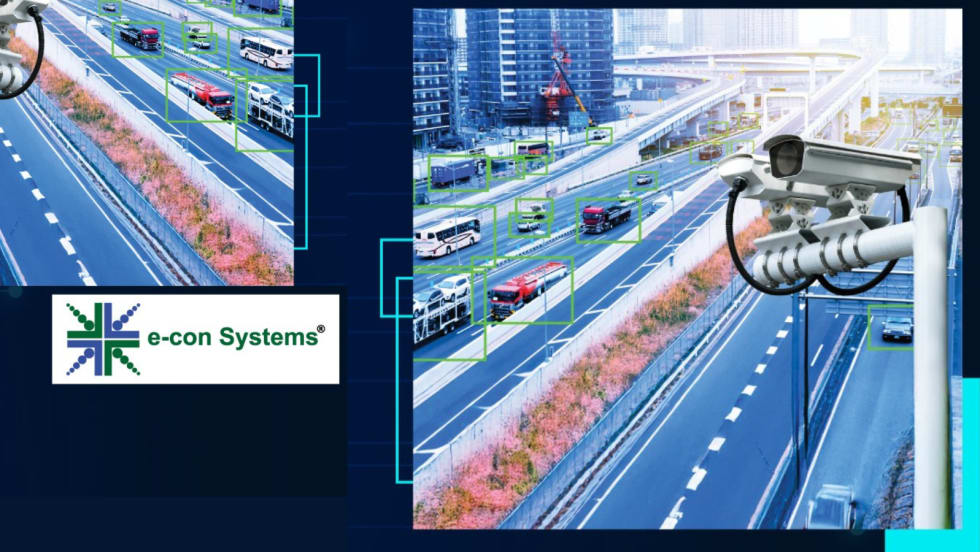
e-con Systems Expands AI Camera Tools for Traffic Monitoring
The systems support license plate recognition, traffic analytics, and video management for transportation agencies.
Read More →
King Township Pilot Links Driver Feedback to Reduced Speeding
How King Township, a best-in-class municipal fleet, reduced speeding by 10.9% and demonstrated a projected 349% ROI by putting safety ownership directly in drivers' hands.
Read More →
Beyond the Fireline: The Critical Role of Public Fleets in Wildfire Response
Behind every wildfire response is a complex network of vehicles, data, and decisions that must work in sync under extreme pressure. Global heating trends require strong fleet coordination and reliable communications to keep crews safe and operations running smoothly.
Read More →
How AI Is Transforming Public Fleet Safety - Part 1
AI-powered safety systems are helping public fleets tackle distracted driving by delivering real-time coaching and measurable behavior change behind the wheel. In part one of our Q&A, Nauto CEO Stefan Heck explains how agencies can improve safety, reduce costs, and navigate implementation challenges with AI-driven technology.
Read More →