




Propane Helps Jackson County Sheriff Save Money
PENDERGRASS, GA - Converting the remaining 50 vehicles in its fleet to run on propane is expected to save the sheriff's office $250,000 in fuel costs this fiscal year alone.
PENDERGRASS, GA - Jackson County Sheriff's Office expects to save about $250,000 in fuel costs this fiscal year alone by using propane to fuel its fleet, according to Online Athens.
In late 2008, the sheriff's office started retrofitting its standard factory-issue patrol cruisers with systems that allowed them to run on propane. Now, the department is on the cusp of converting the last of its fleet of 50 patrol cars to propane-gasoline hybrids, reported Online Athens.
The converted cars will save about $250,000 in fuel costs this fiscal year alone, said Sheriff Stan Evans. In 2009, with only about one-third of the cars converted, the sheriff's office shaved $100,000 off its fuel bill.
Even with the costs of both fuels fluctuating from day to day, propane typically costs about 75 cents less per gallon than gasoline, Evans said. Propane also burns much more cleanly than gasoline, he added.
The equipment and labor needed for each conversion costs about $6,000 per car, according to Amy McChesney, a spokeswoman for Force 911 - the Pendergrass company that coverts the cars. Jackson County paid for the conversions with confiscated drug money, Evans said.
To convert a standard Ford Crown Victoria to run on propane as well as gasoline, contractors install a 24-gallon bullet-resistant tank in the trunk of the patrol car. They connect the tank to a component that uses heat from the car's engine to vaporize the liquid propane and inject the gaseous fuel into the engine cylinders.
Each patrol car's gasoline engine remains intact after the conversion and the cars switch seamlessly between fuel supplies when one tank starts to run low. The propane is a higher octane fuel then gasoline and in most cases improves a patrol car's performance, Evans said.
Evans hopes to replace the department's two 1,000-gallon propane supply tanks with an 18,000-gallon tank so the county government can start buying fuel in bulk and fuel other county vehicles, reported Online Athens.
More Safety
What Public Fleets Should Document and Preserve After a Collision
Dashcam footage can be overwritten, witnesses can leave, and repairs can erase evidence. What should public fleets document and preserve before that information is lost?
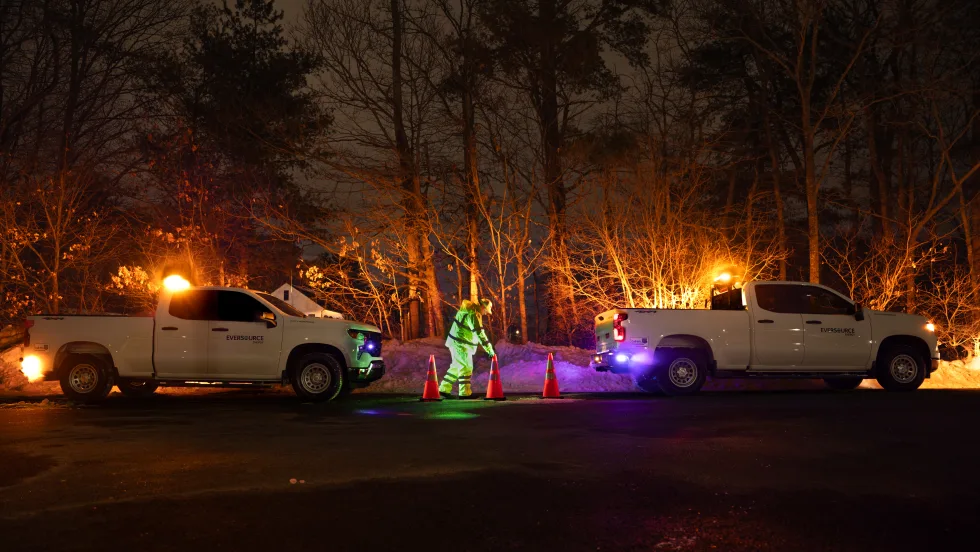
Enhanced Worker Safety Through UV Lighting Technology
An examination of how ultraviolet (UV) perimeter lighting can improve the visibility of workers wearing high-visibility apparel and safety equipment in low-light environments. When paired with durable optical materials and effective light distribution, UV illumination offers a complementary approach to reducing worker exposure risks near traffic and equipment.
New Partnership Aims to Expand Public Digital Hazard Alert System Statewide
The Hawai’i Department of Transportation (HDOT) is expanding advance digital hazard alerts for the public statewide.

New York City Expands Safety Technologies Across Municipal Fleet
Executive Order 19 moves intelligent speed assistance and pedestrian alerts from pilot programs toward standard fleet equipment, offering other public fleets a look at how safety technology can be tested, measured, and scaled.
Hidden in Plain Sight: Fleet Compliance Risks
Fleet compliance isn't just about having policies — it's about consistently enforcing them. This practical guide reveals six hidden compliance risks common in public sector and shared fleet operations and outlines proven strategies to improve visibility, accountability, and audit readiness.

5 Days Left to Submit Your 2026 Fleet Safety Award Nomination
Know a government fleet, safety, or risk manager who deserves recognition for making fleet operations safer? Nominations are open through Aug. 15.
How the First 24 Hours Can Shape a Fleet Crash Response
How a strong accident response process helps government fleets move from the initial report to recovery while building a clearer record for what needs to change next.

How Better Visibility Cut Speeding Violations by 48%
Fleet leaders don't need more data, they need clearer visibility into what the data is saying. This case study explores how one utility replaced speeding-event counts with a single metric — miles driven in violation — to strengthen safety and significantly reduce speeding violations.
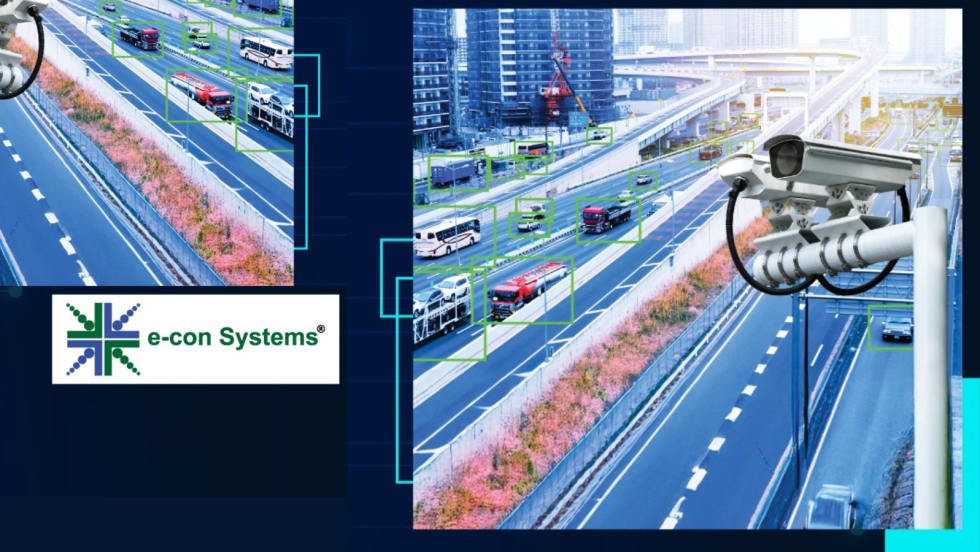
e-con Systems Expands AI Camera Tools for Traffic Monitoring
The systems support license plate recognition, traffic analytics, and video management for transportation agencies.

King Township Pilot Links Driver Feedback to Reduced Speeding
How King Township, a best-in-class municipal fleet, reduced speeding by 10.9% and demonstrated a projected 349% ROI by putting safety ownership directly in drivers' hands.