




Petroleum Equipment Institute Solicits Comments on Latest Recommended Practices Draft
TULSA, OK – The comment period is now open for the Petroleum Equipment Institute's latest draft called the Recommended Practices for the Inspection and Maintenance of Underground Storage Tank Systems.
TULSA, OK – The comment period is now open for the Petroleum Equipment Institute’s latest draft called the Recommended Practices for the Inspection and Maintenance of Underground Storage Tank Systems. This latest Recommended Practices draft was produced by the Petroleum Equipment Institute’s (PEI) Underground Storage Tank (UST) System Inspection and Maintenance Committee and is intended to provide a basic reference that consolidates information concerning the proper inspection and maintenance of UST equipment.
A printed copy of the draft will be mailed to all PEI members in the United States and Canada, along with a comment form. However, anyone interested in reviewing the draft can download a copy and submit comments directly from PEI’s Web site at http://www.pei.org/rp900. Comments are due to PEI by September 26, 2007.
The recommended practices apply to USTs and associated equipment intended to store and dispense gasoline, diesel, and related petroleum products at vehicle-fueling facilities. The equipment covered includes all below-grade, liquid- and vapor-handling components accessible from grade over or near the top of the storage tank. The information contained in the Inspection and Maintenance of Underground Storage Tank Systems draft has been assembled from published and unpublished sources provided by equipment manufacturers, installers, and end-users.
The intent is to provide guidance to facility owners on how to properly inspect and maintain UST systems by describing recommended practices that promote proper inspection, operation, and maintenance of underground storage systems; enhance the longevity and trouble-free performance of underground storage tank equipment; promote fire prevention and storage system safety; promote protection of human health and the environment; promote regulatory compliance and reduce liability associated with the operation of underground storage systems; and promote early identification of potential problems with equipment.
More Operations

How St. Johns County Turned Fleet Data Into Better Replacement Decisions
St. Johns County, Florida, had fleet data, but turning it into reliable decision guidance was another matter. Instead of starting over with a new fleet management system, the county connected existing tools and built a scoring system that gives managers an objective look at fleet health.
Read More →
Fleet Forward Conference Introduces One-Day Passes for 2026
New one-day registration lets fleet professionals attend Tuesday, Wednesday, or Thursday, with passes available for $249.
Read More →
ENC Unveils its ZAVIR Medium-Duty Shuttle
Two variants of the concept shuttles were revealed: a low-floor configuration and a high-floor configuration.
Read More →
Could Your Next Fleet Technician Start as an Intern?
What if your next technician hasn’t worked in a fleet shop yet? What fleets are doing to free up time.
Read More →
How Phoenix Is Building Its Next Generation of Fleet Technicians
With more than 8,000 vehicles and pieces of equipment to maintain, the City of Phoenix could not afford to wait for fully trained technicians to walk through the door. Instead, they revamped their entire workforce strategy and showed how public fleets can create their own talent pipeline while preparing existing employees for increasingly complex vehicles.
Read More →
What’s Slowing Your Fleet Down?
Could a change in how work gets done help your fleet return vehicles to service sooner?
Read More →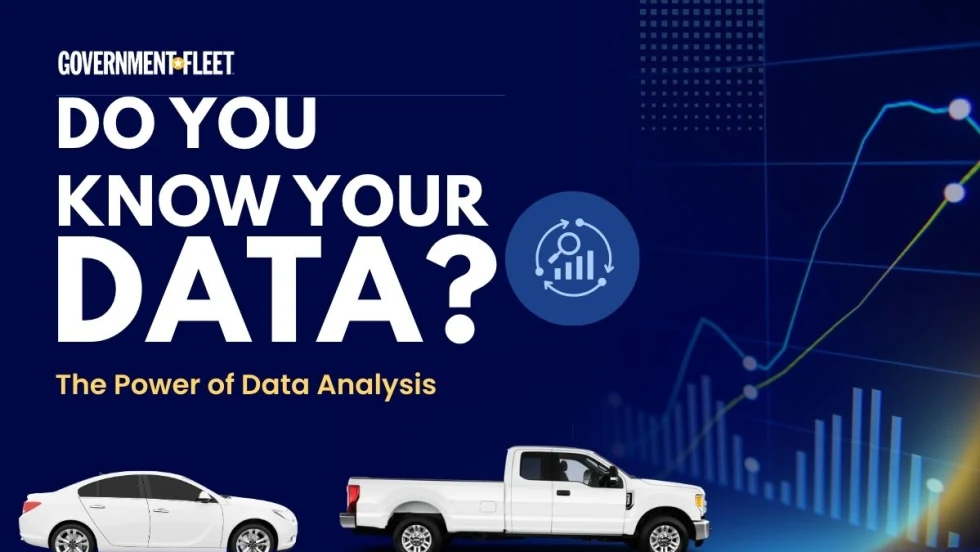
Can Public Fleets Trust the Data Driving Their Decisions?
Public fleets have more data than ever, but inconsistent records and missing information can still undermine maintenance, replacement, and cost decisions.
Read More →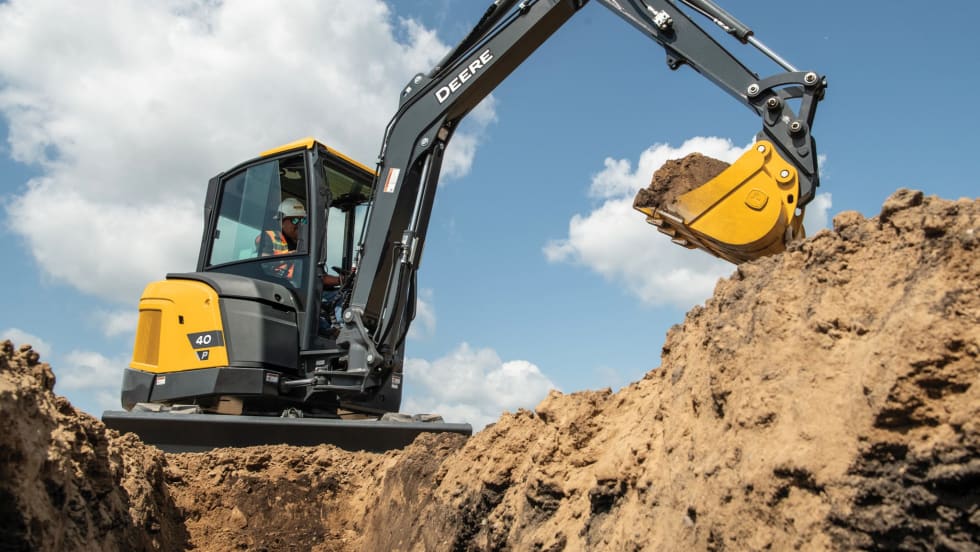
John Deere Introduces 40 P-Tier Compact Excavator
John Deere is adding a compact excavator designed for crews that need to move equipment between jobsites and handle multiple types of work with one machine. The 40 P-Tier weighs less than 10,000 pounds and offers configurable hydraulics, attachment options, and connected fleet-management capabilities.
Read More →
How Leading Fleets Improve and Why Business Plans Matter
This week, we look at what past Leading Fleet winners can teach us about making progress, plus how to build a business plan your fleet will actually use.
Read More →
Nominate a Fleet Leader for the 2027 Public Fleet Hall of Fame
Do you know a fleet leader who has made a lasting impact on the industry? Nominate this fleet professional for the 2027 Public Fleet Hall of Fame.
Read More →