




Oregon Governor Kulongoski Signs Biofuels Legislation
EUGENE, OR – Kicking off Energy Independence Month, Oregon Governor Ted Kulongoski was recently joined by legislators, environmental, and agricultural leaders at a biofuels facility in Eugene.
EUGENE, OR – Kicking off Energy Independence Month, Oregon Governor Ted Kulongoski was recently joined by legislators, environmental, and agricultural leaders at a biofuels facility in Eugene to sign House Bill 2210, which creates a Renewable Fuel Standard and tax incentives for both consumers and producers of biofuels.
The Biofuels Bill was developed by the Biofuels Subcommittee of the governor’s Renewable Energy Work Group that convened during the summer of 2006 and was part of the Governor’s energy independence agenda for the 2007 legislative session. House Bill 2210, coupled with Senate Bill 838, the governor’s Renewable Portfolio Standard of 25 percent of Oregon’s electricity coming from renewable sources by 2025, will make Oregon’s commitment to renewable and alternative energy among the most ambitious in the nation.
The major components of House Bill 2210 include:
All gasoline sold in the state must be blended with 10 percent ethanol after Oregon production of ethanol reaches 40 million gallons per year.
All diesel fuel sold in the state must be blended with two percent biodiesel when the production of biodiesel from sources in the Pacific Northwest reaches a level of at least 5 million gallons per year.
The biodiesel blending requirement increases to five percent when annual production reaches a level of at least 15 million gallons per year.
Since Governor Kulongoski took office, the state fleet has transitioned to more than 300 hybrids (close to 10 percent of its sedan fleet), 577 flex fuel vehicles that can run on E-85, and 178 compressed natural gas vehicles, comprising approximately one-third of the state motor pool. Under the governor’s direction, the state also has committed to using a minimum 10 percent blend of biodiesel for its diesel fuel use with the Oregon Department of Transportation leading the way by using a B-20 blend in the Portland Metro area.
Other energy and climate change bills passed this session include:
The governor won approval of his Renewable Portfolio Standard to require 25 percent of Oregon’s energy to come from renewable sources by 2025 — one of the most ambitious standards in the nation.[SB 838]
The governor’s proposal to fund the upgrading of old polluting diesel school bus and truck engines became a reality. The legislation provides millions of dollars to replace old diesel engines, reducing emissions and creating cleaner air. It also establishes a first-in-the-nation goal of reducing cancer risk from diesel emissions to less than one in a million.[HB 2172]
The governor supported and signed into law legislation that creates aggressive greenhouse gas reduction goals of 10 percent below 1990 levels by 2020, and 75 percent below 1990 levels by 2050. It also creates a Global Warming Commission and a university-level climate research center.[HB 3543]
More Operations

The FleetGap Initiative: Transitioning from Military to Civilian Fleet Roles
FleetGap is working to build the missing bridge between service members preparing for civilian careers and fleet employers facing workforce shortages.
Read More →
How Government Fleets Are Turning Connected Vehicle Data Into Practical Decisions
Public sector fleets are using connected technology to improve visibility, but the bigger challenge is building the processes to act on the information it provides.
Read More →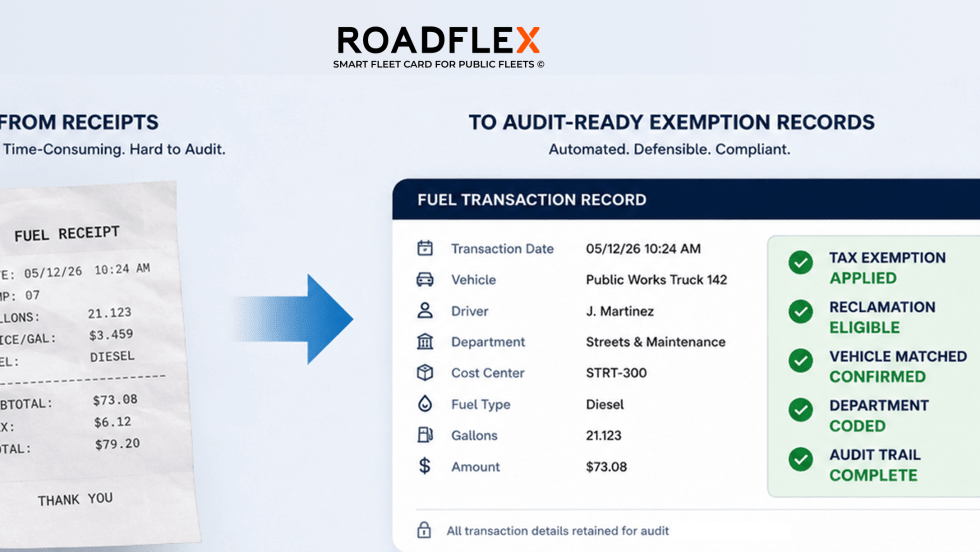
RoadFlex Brings Fuel Tax Compliance and Audit-Ready Reporting to Government, Public Works Fleets
New capabilities aim to help public-sector and public works fleets streamline fuel tax exemptions, reclamation, reconciliation, and audit-ready reporting.
Read More →
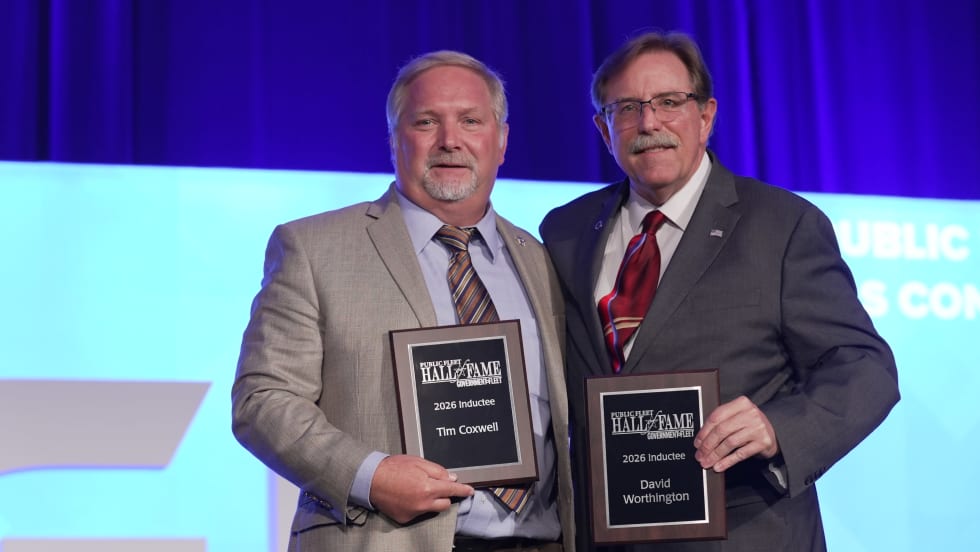
2026 Public Fleet Hall of Fame Inductees Honored
This year's class includes leaders whose work has helped shape the public fleet industry.
Read More →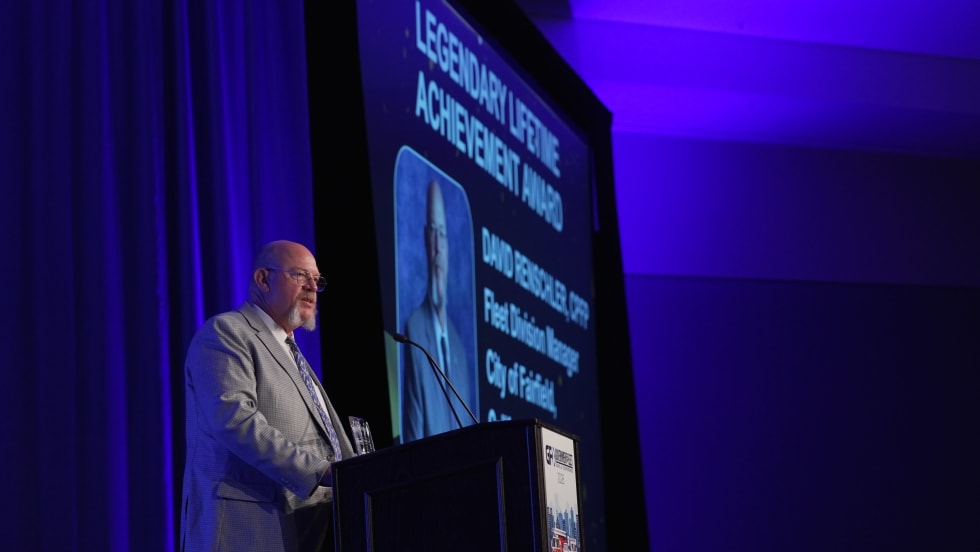
David Renschler Receives 2026 Legendary Lifetime Achievement Award
Andy Campbell of Sourcewell, which partnered with Government Fleet in presenting the award, recognized Renschler.
Read More →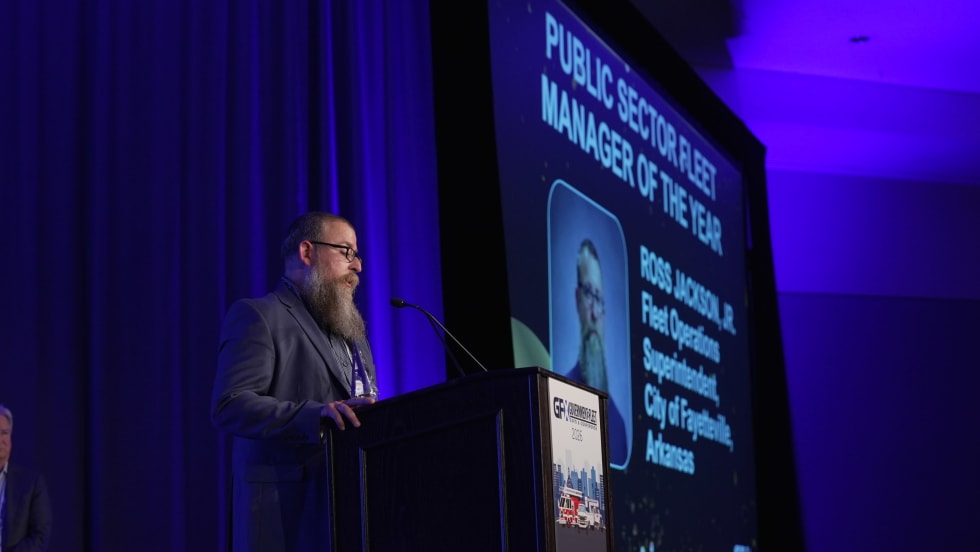
Ross Jackson Jr. Named 2026 Public Sector Fleet Manager of the Year
His leadership, innovation, and commitment to excellence earned him one of the industry's top honors.
Read More →
Public Fleet Professionals Set to Converge as GFX Gets Underway
Known as the largest gathering of public fleet professionals in the nation, GFX will feature in-depth training sessions, emerging fleet technologies, and access to leading suppliers and service providers.
Read More →
The Technician Pipeline: Finding, Keeping, and Promoting Techs Within the Operation
A look at where to find good talent, what fleets are doing to incentivize those techs to stay within the fleet, and what promotion looks like for a technician within the public sector.
Read More →
5 Public Fleet Stories Worth Revisiting Before GFX | The May Dispatch
Public fleet leaders are being asked to prepare for more, communicate better, and make decisions that hold up under pressure.
Read More →
Drive More Profit with Greater Fleet Uptime
Fleet downtime costs money. JASPER helps keep vehicles on the road with quality remanufactured components, fast nationwide delivery, and reliable solutions that boost uptime and profitability.
Read More →