




Oklahoma State Fleet Rightsizing to Lead to Cost Savings
The state will save an estimated $5.9 million by selling underutilized vehicles.

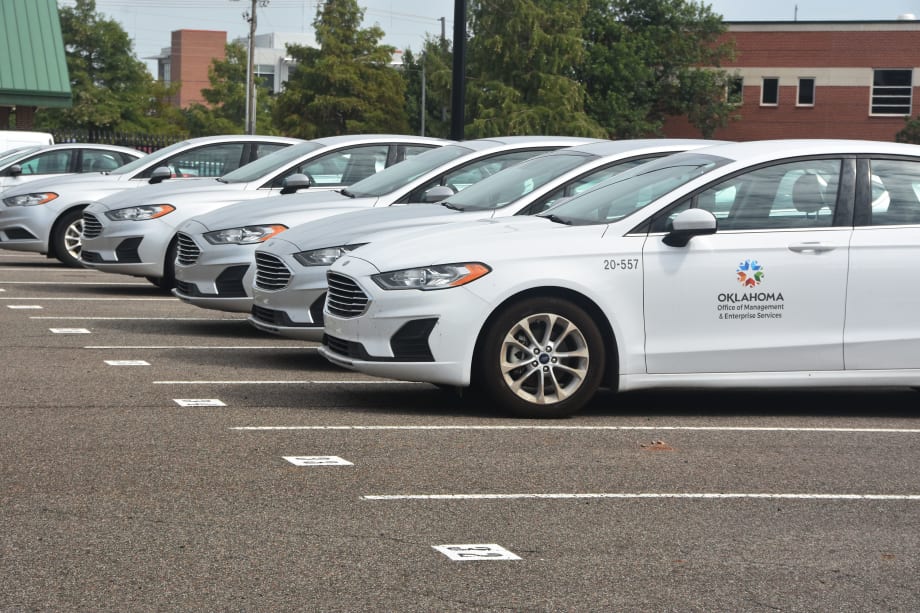
An annual evaluation of Oklahoma's fleet found that nearly 75% of them — 7,955 vehicles — are driven less than 12,000 miles per year and are considered underutilized.
Photo: Oklahoma Office of Management and Enterprise Services
The state of Oklahoma will see millions of dollars in cost savings as it rightsizes its fleet, selling underutilized vehicles.
In February 2023, Government Fleetreported that the Oklahoma Governor's Office announced an initiative to modernize the state's vehicle utilization. The initiative has three primary objectives:
Place all state agencies onto a central fleet management system by the end of calendar year 2023.
Implement telematics technology on all vehicles.
Identify underutilized vehicles and reduce the statewide fleet.
The state is in the first phase of the fleet reduction objective, conducting interviews and requests to internally disperse of underutilized vehicles.
The Oklahoma Office of Management and Enterprise Services (OMES) has installed Geotab telematics devices and data in 3,200 of its vehicles to better understand daily use to determine whether a vehicle can be turned in and sold.
Once the devices have been installed in all of the vehicles and they are on a centralized system, the state will have new insights into vehicle usage, as well as automated mileage reporting with the end goal of improving efficiency.
"We're always looking for ways to make government more efficient while being good stewards of taxpayer dollars," Gov. Kevin Stitt said. "This initiative will cut down on unnecessary resources and hold our agencies to even higher standards."
OMES Fleet Management partnered with state agencies to conduct a complete review and accounting of the state's vehicle fleet. As of February, the state had 10,800 vehicles in its fleet.
Oklahoma's Fleet Size: Room for Improvement
An annual evaluation of the state's fleet found that nearly 75% of them — 7,955 vehicles — are driven less than 12,000 miles per year and are considered underutilized.
Since the initiative began, state agencies have turned in a total of 655 underutilized vehicles. An OMES spokesperson told Government Fleet that will result in an estimated $5.9 million in cost savings.
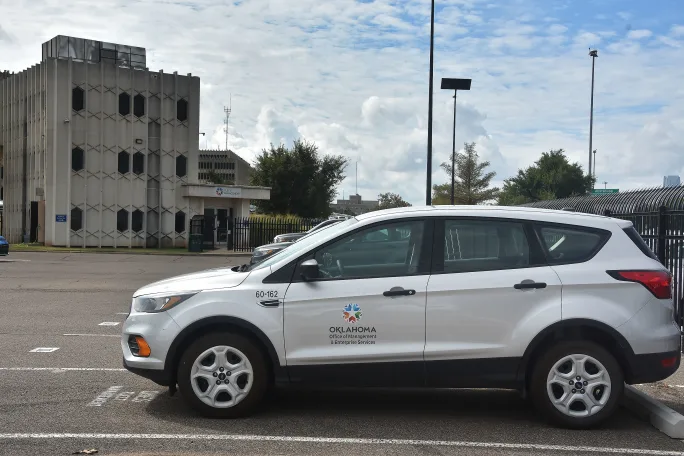
Sedans and other passenger vehicles like light-duty trucks and SUVs have been the most commonly turned in vehicles in the state's rightsizing initiative. These are mostly used for administrative functions.
Photo: Oklahoma Office of Management and Enterprise Services
OMES noted that sedans and other passenger vehicles like light-duty trucks and SUVs have been the most commonly turned in vehicles. These are mostly used for administrative functions.
The state has emphasized letting go of older vehicles, which are more costly to maintain. Agencies have also turned in newer vehicles with low mileage, which have then been used to replace the more aging segment of the fleet.
Lessons Learned in Fleet Rightsizing
An OMES spokesperson told Government Fleet that, "by identifying and eliminating hundreds of underutilized vehicles, the state has not only streamlined our fleet but also made a significant contribution to our fiscal responsibility. This initiative is just one example of our commitment to efficient government operations and responsible resource
management."
The vehicles that are turned in will be sold through the State Surplus program.
More Operations

Is Keeping Older Fleet Vehicles Really Saving Money?
Is keeping vehicles longer saving money, and what happens when a diagnostic test points to the wrong fix?
Read More →
How Smart Fleet Strategy Can Help Local Government Agencies Do More with Less
Keeping a vehicle longer may ease this year’s budget, but what does it cost the next one? A closer look at fleet decisions can reveal opportunities to reduce spending while protecting essential services.
Read More →
Connect with Government Fleet on LinkedIn
From industry news and fleet management strategies to conversations with peers, Government Fleet's LinkedIn page offers public-sector fleet professionals another way to stay informed and connected.
Read More →
Town of Queen Creek Named Most Successful Fleet Award Winner of Inaugural RTA Fleet Success Awards
Five fleets were honored at RTA Connect 2026 in Chicago for excellence across resource efficiency, intentional culture, risk management, and stakeholder satisfaction.
Read More →
A buyer's guide to fleet management software in 2027
Buying fleet management software in 2027 means looking beyond features and price. As fleet operations, technology and expectations evolve, this guide explores what today’s fleet professionals should consider when choosing a system that can deliver value now and adapt to what comes next.
Read More →
Hazard Alerts, Fleet Car Sales Rise and a New Shuttle Concept
Fleet car sales doubled, but the bigger picture tells a different story in this week’s roundup.
Read More →
How St. Johns County Turned Fleet Data Into Better Replacement Decisions
St. Johns County, Florida, had fleet data, but turning it into reliable decision guidance was another matter. Instead of starting over with a new fleet management system, the county connected existing tools and built a scoring system that gives managers an objective look at fleet health.
Read More →
Fleet Forward Conference Introduces One-Day Passes for 2026
New one-day registration lets fleet professionals attend Tuesday, Wednesday, or Thursday, with passes available for $249.
Read More →
ENC Unveils its ZAVIR Medium-Duty Shuttle
Two variants of the concept shuttles were revealed: a low-floor configuration and a high-floor configuration.
Read More →
Could Your Next Fleet Technician Start as an Intern?
What if your next technician hasn’t worked in a fleet shop yet? What fleets are doing to free up time.
Read More →