





To view this and other educational sessions at GFX, register at the event website.
Pandemic Brings New Focus to Motor Pools, Ride Sharing
Pandemic-affected change has shifted the lens in viewing various mobility options — motor pools, ridesharing — for today’s public sector fleets. A panel of experts recently explored the opportunities that new perspective offers.
January 4, 2022
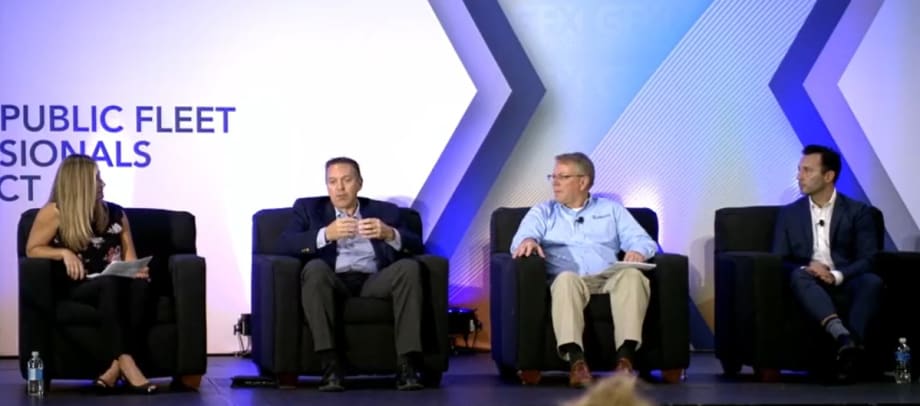
Fleet professionals can register to view the full session at the GFX website.
Screencapture
3 min to read
Pandemic-affected change has shifted the lens in viewing various mobility options — motor pools, ridesharing — for today’s public sector fleets. A panel of experts recently explored the opportunities that new perspective offers.
The panel, presented at last fall’s Government Fleet Expo and Conference in Orlando, Florida, included Chris Butler director of fleet services, Johnson County, Kansas; Sebastian Reszka, senior government account executive, Uber; and Ed Smith, president/CEO, Agile Fleet. Sara Burnam, fleet management director for Palm Beach County, Florida, moderated the discussion.
A Changing Industry
The most striking industry change coming into focus, panel members agreed, is the increasing realization of the numbers of idle fleet vehicles. Additionally, government services business models, transformed by technology in response to COVID-19, require fewer in-person or in-office duties, also idling more vehicles. Importantly, these shifts offer the opportunity to reduce vehicle numbers and more precisely right-size fleets.
“We’re starting to see people seeing the obvious things and starting to make changes in their fleet, but more importantly, they’re saying, ‘We don’t have the right metrics to start making the right decisions yet. How do we get those?’ So telematics is a big thing,” observed Smith, whose firm offers Fleet Commander, a fleet-management system focusing on right-sizing and vehicle sharing.
“Coming out of COVID, we’re still going to learn a little bit about where we’re going. I don’t think we really know where we’re at yet,” said Butler, whose 500-vehicle fleet operation includes a successful motor pool system. “But we can look at where our metrics were and are now. Dive deeper into them and realize the story they are telling. Find those vehicles that aren’t being used. Convince more people to use car sharing, carpooling, and things along those lines.”
Rethinking Mobility Options
Some more progressive fleet managers have begun examining the metrics of their unused vehicles to inform mobility decisions going forward.
“We starting to see a real openness to new ideas, and the way people are looking at ride share, where previously it wouldn’t be an option or part of the overall solution,” commented Reszka. “When you’re looking things like right-sizing and electrifying fleet, now is a great opportunity to look at other modes like ride share and motor pool as potential solutions. They provide flexibility and supplemental options, saving on costs, creating efficiencies while still servicing the end user, which is the most important ingredient here.”
Motor pools and ride sharing are particularly effective for short-term or repetitive duty tasks, Butler noted. These options can be used as buffers, allowing fleet managers extended time to analyze data and make accurate right-sizing decisions.
Panel members suggested using metrics and fleet policy that clearly define vehicle use mileage to convince department and agency customers reluctant to relinquish vehicles. Bring the data together, make it more visual and easier to understand, and point out the benefits customers will reap, they recommended.
Finally, with sustainability a global force, Butler advised, “Don’t lose sight of the fact that ride sharing, carpooling, and overall vehicle reduction is also sustainability. I can’t think of a better example of sustainability.”
Subscribe to Our Newsletter
More Operations
Is Keeping Older Fleet Vehicles Really Saving Money?
Is keeping vehicles longer saving money, and what happens when a diagnostic test points to the wrong fix?
Read More →
How Smart Fleet Strategy Can Help Local Government Agencies Do More with Less
Keeping a vehicle longer may ease this year’s budget, but what does it cost the next one? A closer look at fleet decisions can reveal opportunities to reduce spending while protecting essential services.
Read More →
Connect with Government Fleet on LinkedIn
From industry news and fleet management strategies to conversations with peers, Government Fleet's LinkedIn page offers public-sector fleet professionals another way to stay informed and connected.
Read More →
Town of Queen Creek Named Most Successful Fleet Award Winner of Inaugural RTA Fleet Success Awards
Five fleets were honored at RTA Connect 2026 in Chicago for excellence across resource efficiency, intentional culture, risk management, and stakeholder satisfaction.
Read More →
Sponsored•October 14, 2026
A buyer's guide to fleet management software in 2027
Buying fleet management software in 2027 means looking beyond features and price. As fleet operations, technology and expectations evolve, this guide explores what today’s fleet professionals should consider when choosing a system that can deliver value now and adapt to what comes next.
Read More →
Hazard Alerts, Fleet Car Sales Rise and a New Shuttle Concept
Fleet car sales doubled, but the bigger picture tells a different story in this week’s roundup.
Read More →
How St. Johns County Turned Fleet Data Into Better Replacement Decisions
St. Johns County, Florida, had fleet data, but turning it into reliable decision guidance was another matter. Instead of starting over with a new fleet management system, the county connected existing tools and built a scoring system that gives managers an objective look at fleet health.
Read More →
Fleet Forward Conference Introduces One-Day Passes for 2026
New one-day registration lets fleet professionals attend Tuesday, Wednesday, or Thursday, with passes available for $249.
Read More →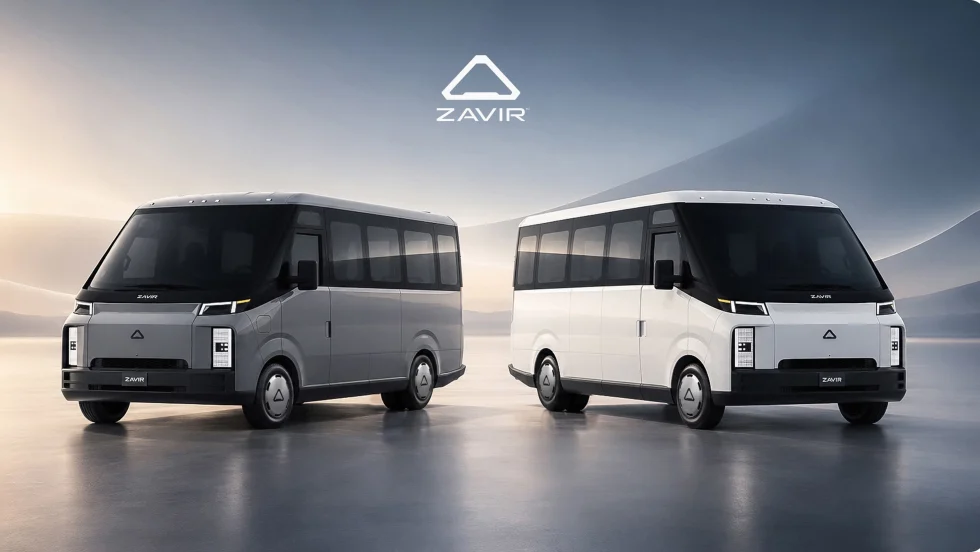
ENC Unveils its ZAVIR Medium-Duty Shuttle
Two variants of the concept shuttles were revealed: a low-floor configuration and a high-floor configuration.
Read More →
Could Your Next Fleet Technician Start as an Intern?
What if your next technician hasn’t worked in a fleet shop yet? What fleets are doing to free up time.
Read More →