





Similar Content: Get a First Look at NYPD's New Ford Mustang Mach-E
NYC Fleet Reduction Will Save $13.7 Million
The New York City fleet will be reduced by at least 855 vehicles in an effort to save taxpayer dollars and reduce carbon emissions.
April 25, 2022
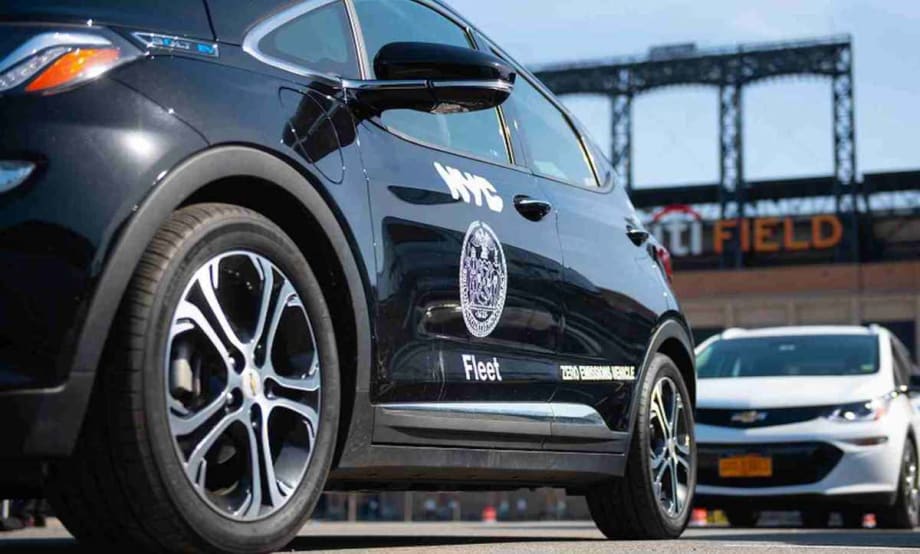
Photo courtesy of New York City
2 min to read
New York City Mayor Eric Adams has announced a reduction of the city's fleet by at least 855 vehicles in an effort to save taxpayer dollars and reduce carbon emissions. The 4% reduction of the on-road fleet will focus on non-emergency vehicles and will reduce the city's fleet size to the size it was during the Bloomberg administration (2002-2013).
The plan is expected to result in 5.13 million fewer miles driven per year — representing a 2,072 metric ton reduction in carbon dioxide emissions, according to a press release.
“We want to encourage New Yorkers to get out of their cars and use alternative forms of transportation — and the city must lead by example,” said Mayor Adams.
Reductions will be made based on vehicle usage data, tracked by the New York City Department of Adminstrative Services' (DCAS) vehicle telematics system, which provides real-time insight into the entire city fleet and how it is being used. Vehicles that are underutilized will be prioritized for removal from the fleet.
“Right-sizing the fleet and reducing the number of take-home vehicles will protect our environment, save money, and help make city government work for all New Yorkers," said Dawn Pinnock, New York City DCAS commissioner.
The city of New York’s fleet currently consists of 24,526 on-road vehicles. On-road vehicles include 9,579 (39.1%) emergency vehicles, 7,893 (32.2%) agency work trucks, 2,648 (10.8%) sanitation trucks and sweepers, and 4,406 (18%) general use cars. The reduction will focus on general use cars and will not impact emergency vehicles or other specialized units that provide critical services to New Yorkers.
The changes will be completed by September 1, and the vehicles will be removed from the fleet and auctioned off by December 31.
More Operations

Is Keeping Older Fleet Vehicles Really Saving Money?
Is keeping vehicles longer saving money, and what happens when a diagnostic test points to the wrong fix?
Read More →
How Smart Fleet Strategy Can Help Local Government Agencies Do More with Less
Keeping a vehicle longer may ease this year’s budget, but what does it cost the next one? A closer look at fleet decisions can reveal opportunities to reduce spending while protecting essential services.
Read More →
Connect with Government Fleet on LinkedIn
From industry news and fleet management strategies to conversations with peers, Government Fleet's LinkedIn page offers public-sector fleet professionals another way to stay informed and connected.
Read More →
Town of Queen Creek Named Most Successful Fleet Award Winner of Inaugural RTA Fleet Success Awards
Five fleets were honored at RTA Connect 2026 in Chicago for excellence across resource efficiency, intentional culture, risk management, and stakeholder satisfaction.
Read More →
Sponsored•October 14, 2026
A buyer's guide to fleet management software in 2027
Buying fleet management software in 2027 means looking beyond features and price. As fleet operations, technology and expectations evolve, this guide explores what today’s fleet professionals should consider when choosing a system that can deliver value now and adapt to what comes next.
Read More →
Hazard Alerts, Fleet Car Sales Rise and a New Shuttle Concept
Fleet car sales doubled, but the bigger picture tells a different story in this week’s roundup.
Read More →
How St. Johns County Turned Fleet Data Into Better Replacement Decisions
St. Johns County, Florida, had fleet data, but turning it into reliable decision guidance was another matter. Instead of starting over with a new fleet management system, the county connected existing tools and built a scoring system that gives managers an objective look at fleet health.
Read More →
Fleet Forward Conference Introduces One-Day Passes for 2026
New one-day registration lets fleet professionals attend Tuesday, Wednesday, or Thursday, with passes available for $249.
Read More →
ENC Unveils its ZAVIR Medium-Duty Shuttle
Two variants of the concept shuttles were revealed: a low-floor configuration and a high-floor configuration.
Read More →
Could Your Next Fleet Technician Start as an Intern?
What if your next technician hasn’t worked in a fleet shop yet? What fleets are doing to free up time.
Read More →