




Montclair PD Chooses Caprice PPV
MONTCLAIR, CA -The Montclair Police Department decided to replace its fleet of Ford Crown Vics with Chevrolet Caprice PPVs.
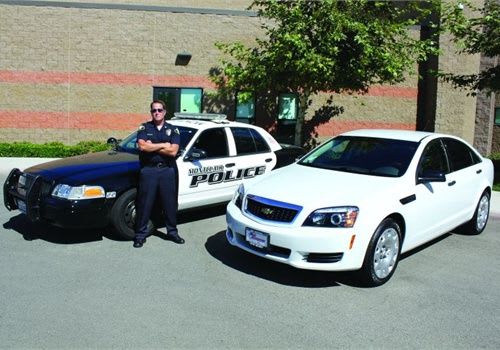
Montclair (Calif.) PD's Capt. Michael deMoet. Photo: Paul Clinton.
Montclair (Calif.) PD's Capt. Michael deMoet. Photo: Paul Clinton.
MONTCLAIR, CA - Montclair Police Department officers were initially skeptical about the agency's two Chevrolet Caprice PPV sedans--among the first in the nation to arrive in the field. Officers told command staff that the vehicles looked smaller than their Ford Crown Vics.
Chief Keith Jones and Capt. Mike deMoet then had officers sit in the back seats of both the Caprice and Crown Vic to compare them.
They noticed the spacious headroom of the Caprice. And when sitting in the rear of the Crown Vic, officers bumped their knees against the back seats. The officers then began to reconsider their view of the car, deMoet says. The Montclair PD has chosen the vehicle as its new black-and-white; it offers plenty of other advantages over the Crown Vics, deMoet says.
The Montclair PD took delivery of two white, detective versions (9C3) in September for testing by the chief and captain. These cars are nearly identical to the patrol version (9C1), except for location of the shifter. The 9C3's shifter is located in the center of the console, while the 9C1 shifter is located on the left side of the console to accommodate police equipment.
The department, which has 52 sworn officers, plans to replace its 20 vehicles with Caprice patrol cars beginning next year, Chief Jones said. The agency plans to make its initial purchase in July, after the start of the city's fiscal year. The agency will purchase new vehicles to replace Crown Vics that go out of service.
Other deciding factors that tipped the agency to the Caprice included the 100,000-mile powertrain warranty, 6L V-8 engine, and dynamic braking.
"One of the biggest things I like is the braking," Chief Jones said. "Usually when you do hard braking, the car will dip. This car didn't do that. It stayed straight and level."
The Forsyth County (Ga.) Sheriff's Office was the first law enforcement agency to receive the detective version of the 2011 Caprice. The patrol version is beginning to arrive for agencies as the year ends.
By Paul Clinton
Related Articles:
More Operations

What Can Disappear After a Fleet Crash?
This week, we look at drone footage, what fleets should document before repairs begin, and share a quick poll.

Does Your Government Fleet Handle Refuse and Waste Operations? Take Our Poll
Government Fleet wants to hear from public-sector fleet professionals about their responsibilities for refuse collection and waste management equipment.

Fleet Replacement Decisions, Waste Fleet Technology and the GFX Deadline
Is your next vehicle the right fit, can your records settle a missed pickup dispute, and what could your fleet teach others at GFX 2027?

Is Delaying Fleet Replacement Really Saving Money?
Could delaying replacement cost your fleet more than it saves? This week’s recap takes a closer look, plus an update on GFX 2027.

What Government Fleets Are Missing About Their True Costs
What are fleet budgets missing, and how can agencies use the data they already collect to make a stronger case for change?

Rethinking Fleet Decisions From the Budget Office to the Shop
This October we looked back at how public fleets are reconsidering familiar processes and using what they learn to make better decisions.

Who Owns the Message on a Refuse Truck?
Refuse trucks can carry public messages into neighborhoods, but keeping those messages current takes planning and clear responsibility.

Who Deserves Fleet Recognition and What Could You Teach at GFX?
Who helped shape your fleet career, and what have you learned that could help someone else?

What’s Haunting Public Sector Fleets?
Public sector fleet challenges rarely happen in isolation, and addressing one often means understanding how it connects to another.

Is Keeping Older Fleet Vehicles Really Saving Money?
Is keeping vehicles longer saving money, and what happens when a diagnostic test points to the wrong fix?