




Mohawk Lifts Reminds Fleets of Commonly Overlooked Vehicle Lift Safety Tips
Mohawk Lifts reminds shop managers and technicians of commonly overlooked lift safety tips. As lifts are one of the most critically important pieces of shop equipment, follow basic safety rules.
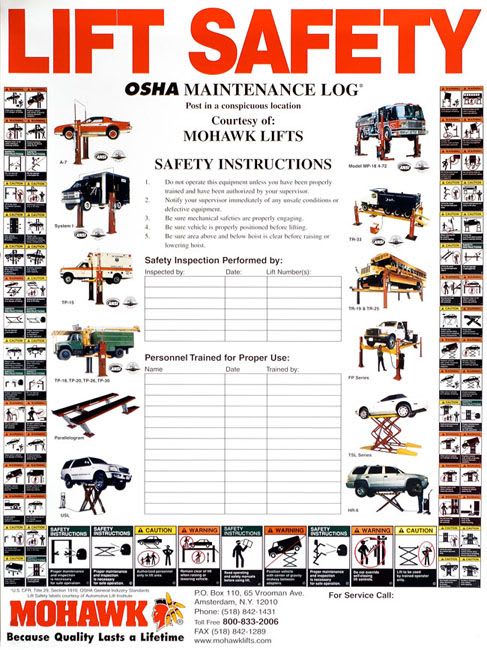
Technicians should perform a daily operational safety check of vehicle lifts. Additionally, they should also be inspected annually by a qualified individual.
Technicians should perform a daily operational safety check of vehicle lifts. Additionally, they should also be inspected annually by a qualified individual.
The vehicle lifts that are supporting the cars, trucks and buses being repaired in your garage can represent one of the most productive tools in your shop, or one of the most dangerous pieces of equipment your techs use if not used and maintained properly.
As lifts are one of the most critically important pieces of shop equipment, you should follow these basic safety rules.
First, buy certified lifts and options. There’s one and only one nationally recognized safety standard for vehicle lifts: ANSI-ALI/ALCTV, administered by the Automotive Lift Institute (ALI/ETL). To verify equipment status, look for the gold ALI/ETL certification tag next to the lift’s controls. Additionally, if the optional accessory isn’t certified, the lift isn’t certified. Complying with American National Standards Institute (ANSI), Occupational Safety and Health Administration (OSHA), and Public Employees Occupational Safety and Health (PEOSH) requirements is the key to keeping vehicle lifts at the highest possible safety level, sending your technicians home safely after each shift, and avoiding write-ups or hefty noncompliance fines.
Next, manufacturers of the most common lift two-post, side by side lifts mandate that none of the four swing arms be overloaded. Look around your shop and determine if any lifts are being overloaded based on the heavy rear ends of work trucks, and dividing total lift capacity by four swing arms.
Like any product, lifts vary in style, type, capability, longevity, and warranty. But ANSI/ALCTV regulations, and all 18 ALl/ETL-certified manufacturers, suggest annual maintenance and technician training to remain in compliance with safety regulations. ANSI requires technicians to be trained annually in proper lift use. This may seem unnecessary, yet use the example of everyone who drives a forklift in your facility requiring an annual safety test. Every year fork lift operators watch a safety video and take a test.
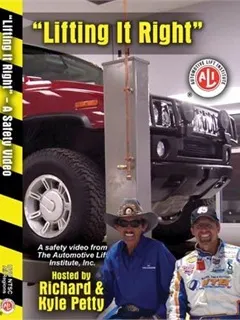
The ALI produces a 20-minute Lifting it Right video hosted by NASCAR driver Richard "The King" Petty and his son, Kyle.
ANSI/Automotive Lift Institute ALCTV Standard for Automotive Lifts – “Safety Requirements for Construction, Testing, and Validation” requires technicians to perform a daily operational safety check. The code also requires an annual inspection by a qualified individual. Failing to do so exposes your shop to liabilities that could be associated with an injury if an accident were to happen. Contact your manufacturer or garage equipment sales company to schedule an inspection.
Contact the Automotive Lift Institute, your lift supplier, or a local lift inspection company for a copy of the 20-minute Lifting it Right video hosted by legendary NASCAR driver Richard "The King" Petty and his son, Kyle. Require your technicians to watch the video and pass a written test on lift operation and safety.
More Equipment
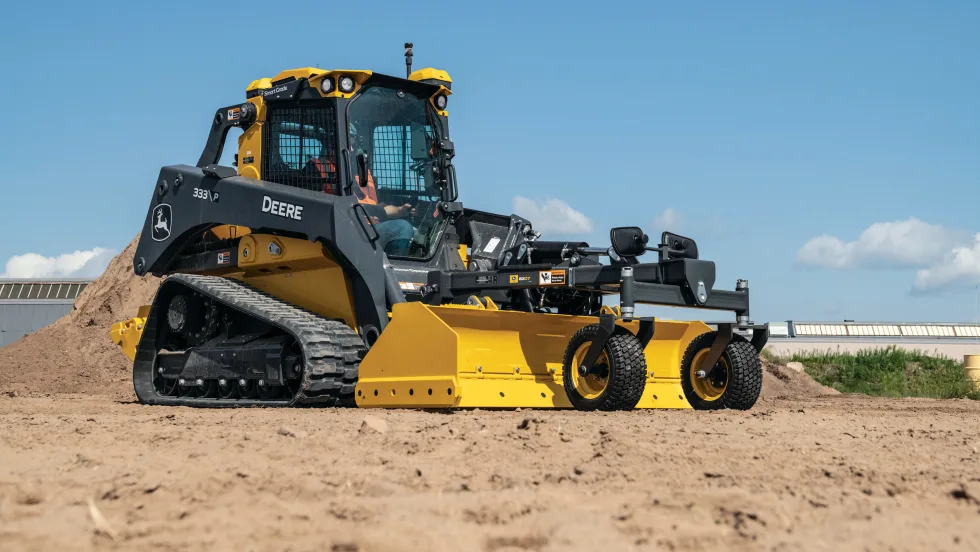
John Deere Adds SmartGrade Box Blades, Fire Suppression Option
John Deere is expanding the capabilities of its compact track loaders with new grading attachments and an equipment protection option. The additions include two SmartGrade box blades for the 333 and 335 P-Tier models and an integrated fire suppression system for large-frame machines.
Read More →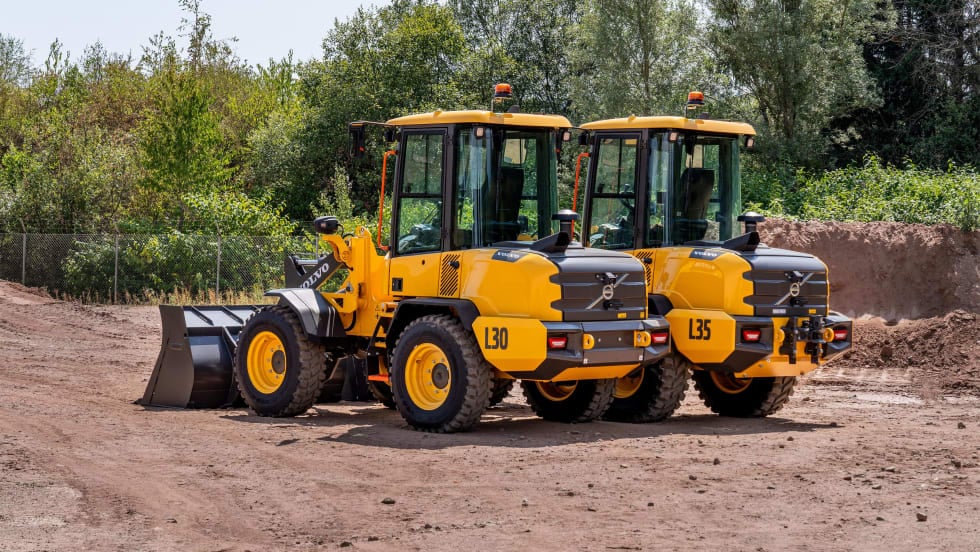
Volvo Updates L30 and L35 Compact Wheel Loaders With Redesigned Rear Frame
The updates aim to provide customers with more flexibility to use the machines for different jobs while improving service access and everyday operation.
Read More →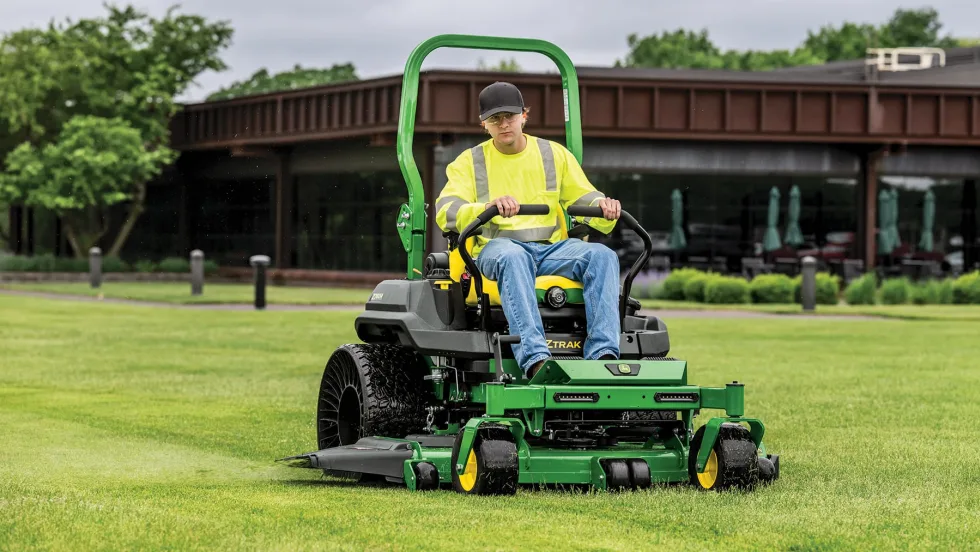
John Deere Updates Z700 ZTrak Commercial Mower Lineup
Public agencies responsible for maintaining large properties have several updated mower options from John Deere. The refreshed Z700 ZTrak lineup adds upgraded engines, transmissions, mower decks, and operator features across four models.
Read More →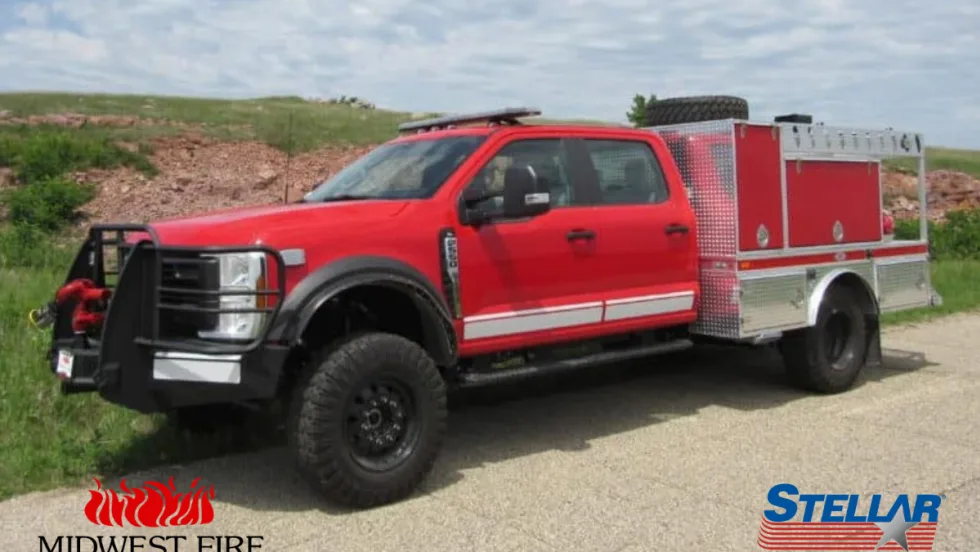
Stellar Industries Acquires Midwest Fire
The acquisition brings a manufacturer of custom fire apparatus under Stellar Industries, expanding the work-truck manufacturer into the fire and emergency response market. Midwest Fire will continue operating from its existing Minnesota headquarters as a distinct company.
Read More →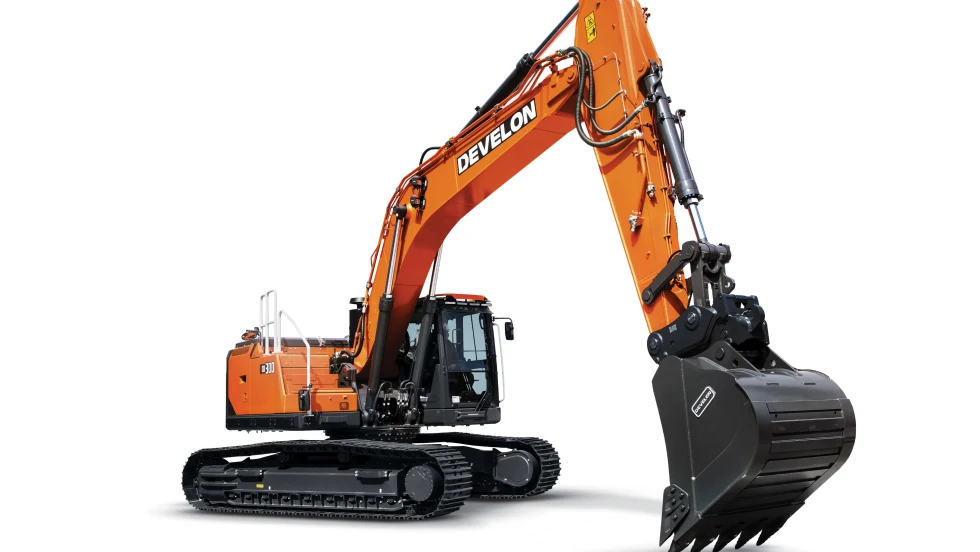
DEVELON Adds DX300LC-9 Excavator to -9 Series
For public works operations handling infrastructure, road, and utility projects, DEVELON has added a new 33-metric-ton excavator to its equipment lineup. The DX300LC-9 combines updated controls with technology designed to address operator safety, equipment monitoring, and machine operation.
Read More →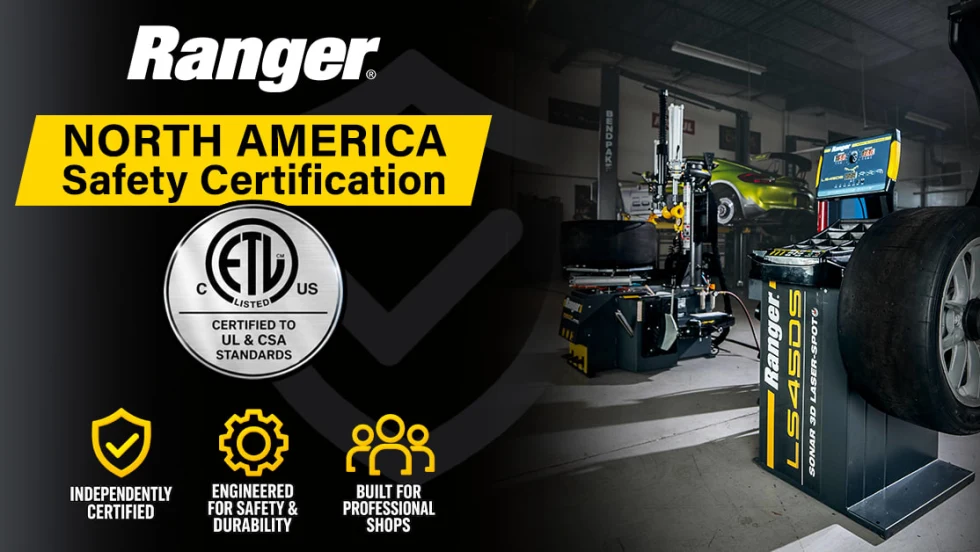
BendPak Ranger Wheel Service Equipment Receives Safety Certification
Equipment used every day in fleet maintenance shops comes with its own set of safety considerations. Following an 18-month redesign and testing process, BendPak's Ranger tire changers and wheel balancers have received certification to applicable U.S. and Canadian safety standards.
Read More →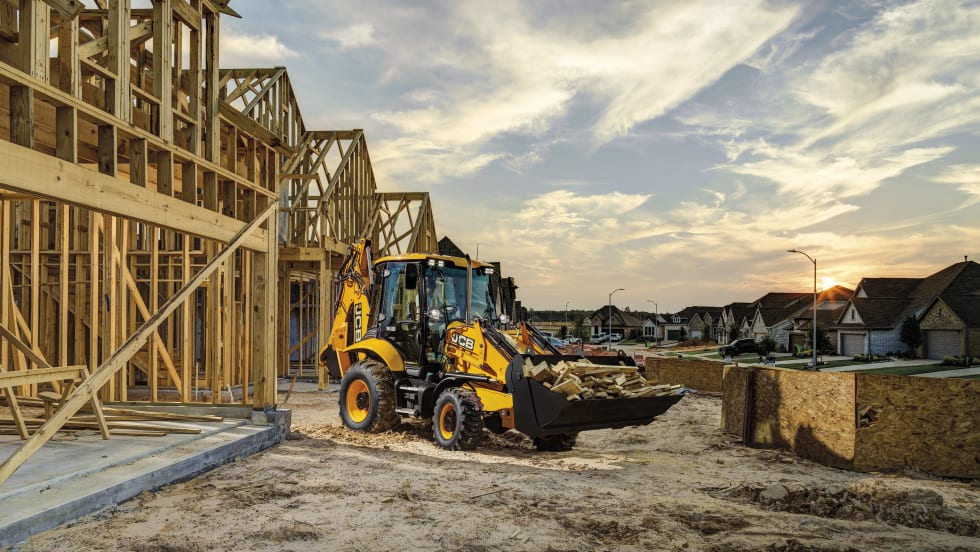
JCB Introduces Dual Drive System for Backhoe Loaders
Public works operators traditionally switch positions and controls each time they reposition a backhoe during excavation. JCB's new Dual Drive system is designed to allow operators to move the machine while remaining at the excavator controls.
Read More →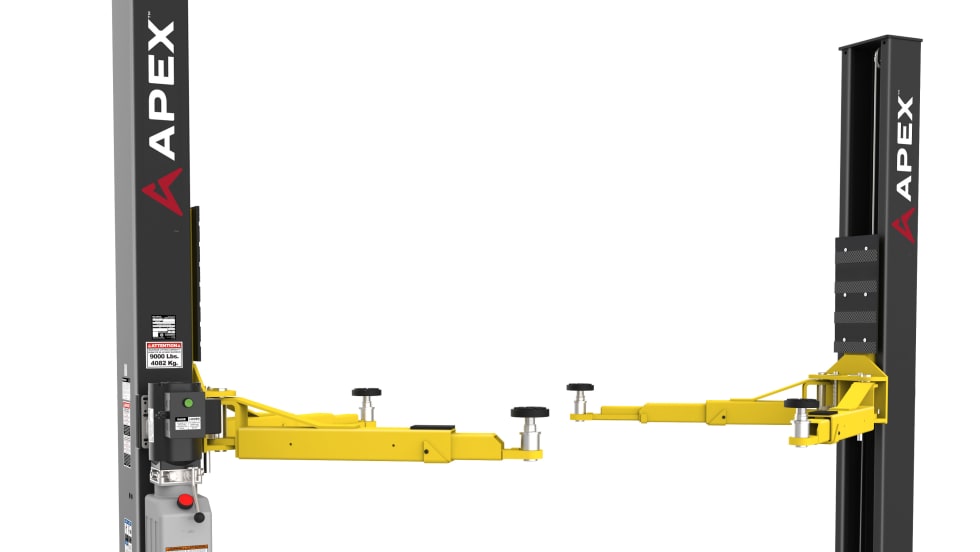
APEX by BendPak Launches AL9LC Two-Post Lift
The new low-ceiling floorplate car lift is designed to maximize overhead clearance for fleets.
Read More →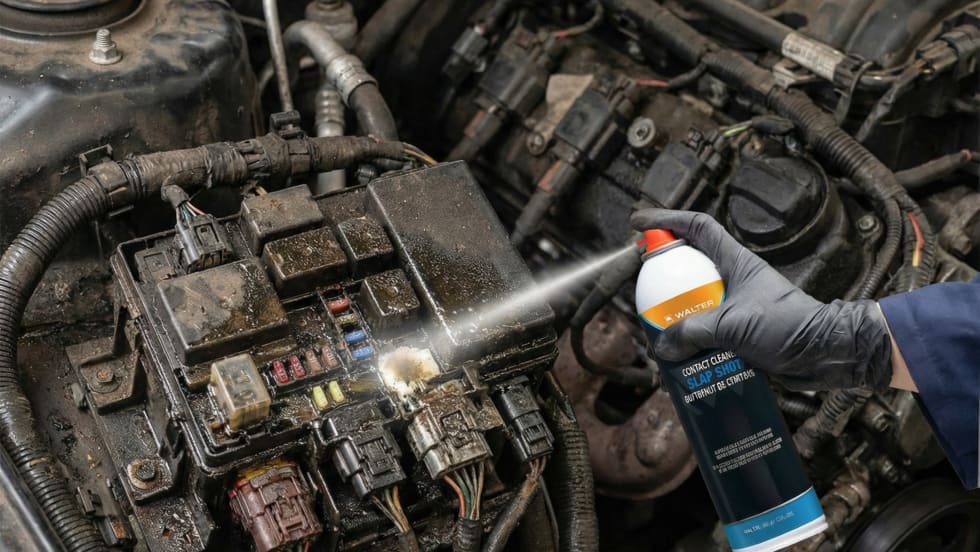
New Slap Shot Contact Cleaner: Heavy-Duty Cleaning Power Without the Residue
Slap Shot Contact Cleaner combines fast contaminant removal, rapid evaporation, moisture displacement, no-wipe cleaning, non-conductive performance, and residue-free cleaning into a single solution.
Read More →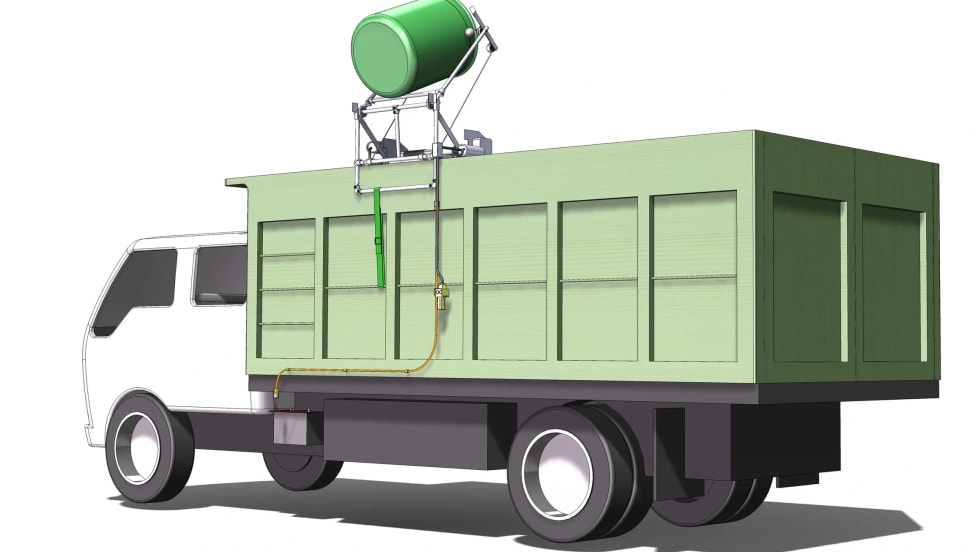
New Powered Carry Barrel Lift Helps Crews Dump Heavy Barrels Into Trucks With Less Manual Lifting
The Carry Barrel Lift is a new truck-mounted attachment designed to help landscape and municipal crews lift and dump heavy 60-gallon barrels more efficiently while reducing manual strain.
Read More →