





See Also: Milwaukee to Convert Refuse Trucks to CNG and Sell Natural Gas Fuel to the Public
Milwaukee Rolls Out Last of 22 CNG Refuse Trucks
The City of Milwaukee, Wis., recently put the last of its 22 compressed natural gas (CNG) refuse trucks on the road. The trucks cost $5.97 million and were partly funded with grants.
May 20, 2015
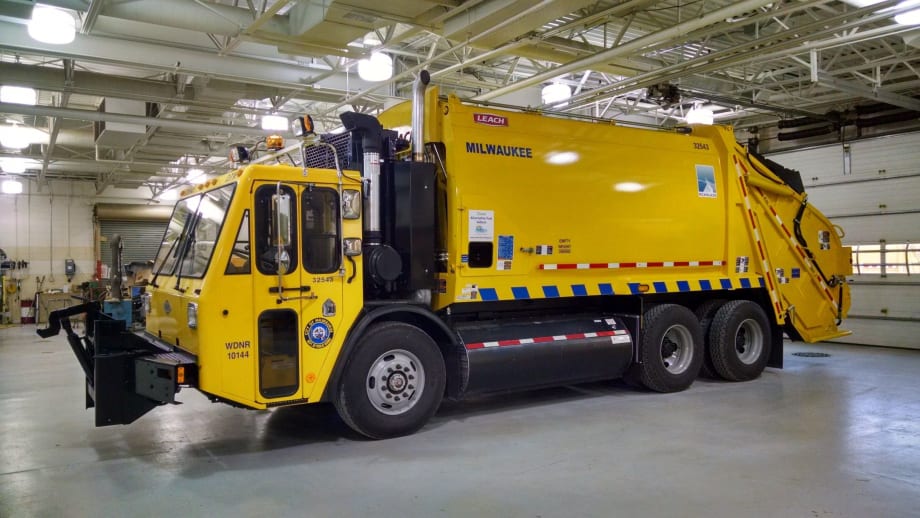
Photo courtesy of City of Milwaukee
2 min to read
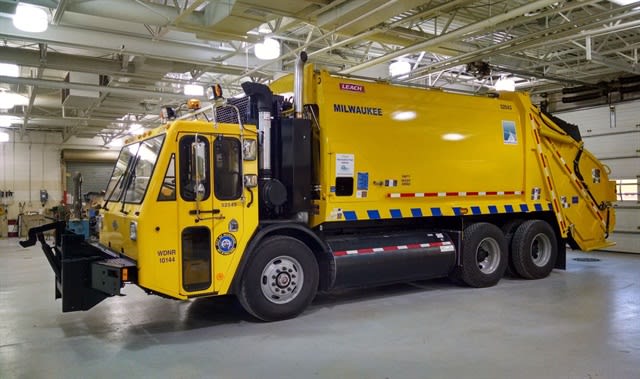
Photo courtesy of City of Milwaukee
The City of Milwaukee, Wis., put the last of its new 22 compressed natural gas (CNG) refuse trucks on the road on May 14. The purchases, totaling $5.97 million, spanned three years, but the trucks were delivered between October 2014 and January 2015. As they were delivered, fleet staff worked to prep them, installing communications equipment, GPS tracking devices, and a fueling system, said Jeff Tews, CPFP, fleet operations manager for the city.
The city purchased the trucks during the 2012, 2013, and 2014 budget cycles. They all came from one contract, a two-year contract with an optional third-year extension. By purchasing this way, the city got a lower price, Tews said. The trucks are all Crane Carrier Corporation LET2s with Leach 2RIII bodies.
"One unique feature about these new trucks is the 66 diesel gallon equivalent tank system installed on the frame rails under the body, instead of behind the cab," Tews said. "This feature allows the use of a shorter wheelbase and subsequent tighter turning radius, which is crucial for use in some of the narrow alleys in Milwaukee."
During the winter, they are used for snow plowing.
The additional cost for trucks that run on CNG was $39,300 per truck, and grant funding (federal funds administered by the state) paid for 80% of this cost.
“Milwaukee residents appreciate the cleaner emissions and how quiet these trucks are when moving through neighborhoods,” said Department of Public Works Commissioner Ghassan Korban. “There is a higher initial expense, but with CNG fuel costs less than half that of diesel, Milwaukee estimates a return on investment in less than six years.”
Employees will fuel the trucks at the city's two public-private fast-fill stations and at its sequential time-fill station.
Tews said the city averages six or seven new refuse trucks per year, and he plans to purchase six more this year.
“Eventually, we would like to convert the entire refuse fleet to CNG,” he said. The city has 121 refuse trucks, and 45 of them run on CNG. An additional eight cargo vans and cars are CNG-powered.
More Procurement
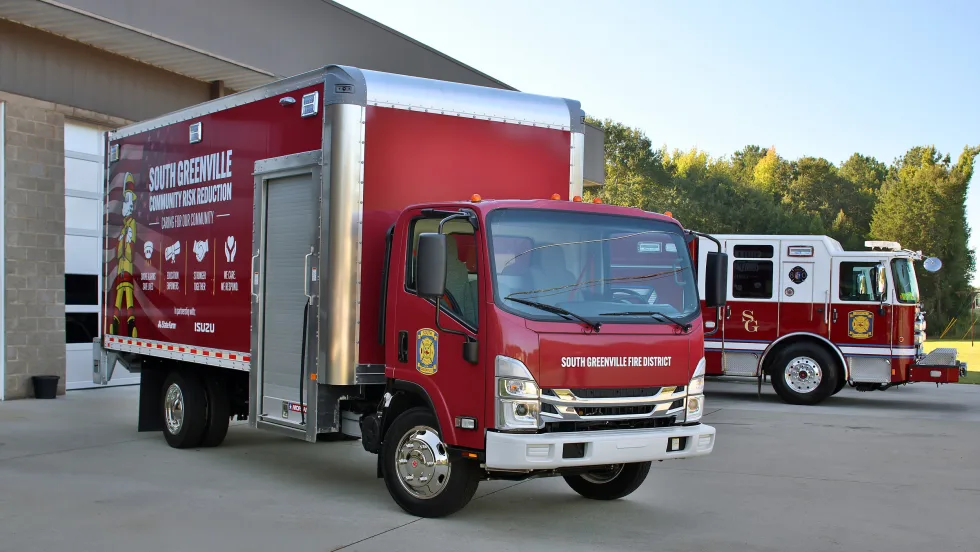
Isuzu Donates New N-SERIES NRR Truck to South Greenville Fire District to Support Community Outreach
Isuzu NRR equipped with Morgan truck body and PALFINGER liftgate will help support fire safety education, community engagement and outreach programs throughout Southern Greenville County.
Read More →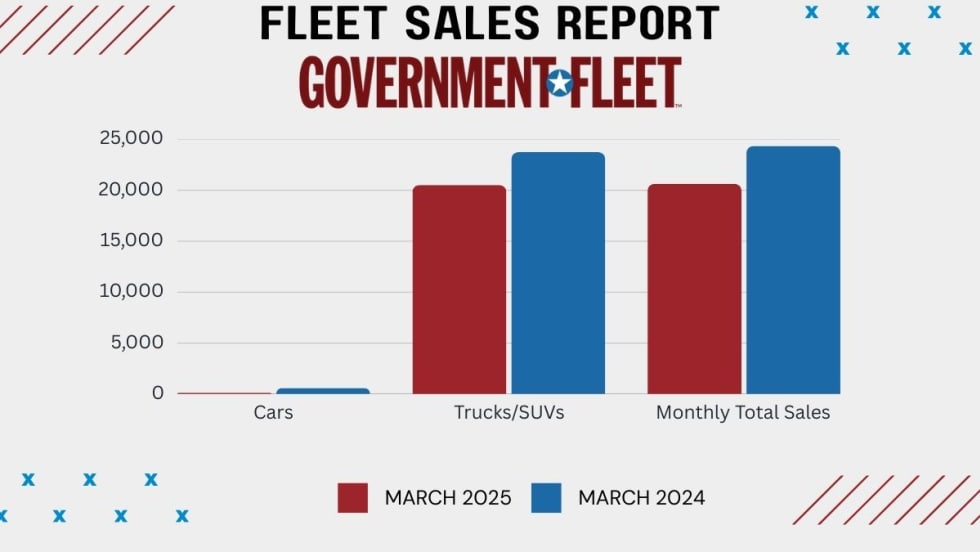
Government Vehicle Sales See Continued Growth from Beginning of Year
Government fleet sales rose from both January and February monthly totals, which were both under 20,000.
Read More →
Updated: Trump Signs Proclamation Imposing 25% Tariff on Auto Imports
A new proclamation signed by President Trump imposes a 25% tariff on imported passenger vehicles and key auto parts, citing national security concerns.
Read More →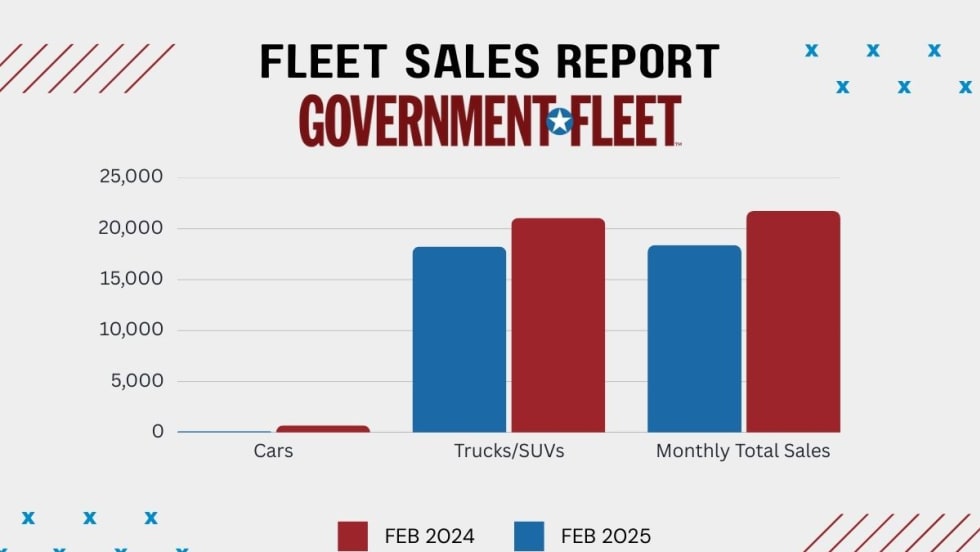
Government Vehicles Sales See Another Dip Compared to 2024
Government fleet sales last month came in at 18,383 vehicles, falling 15.4% from 21,737 in February 2024.
Read More →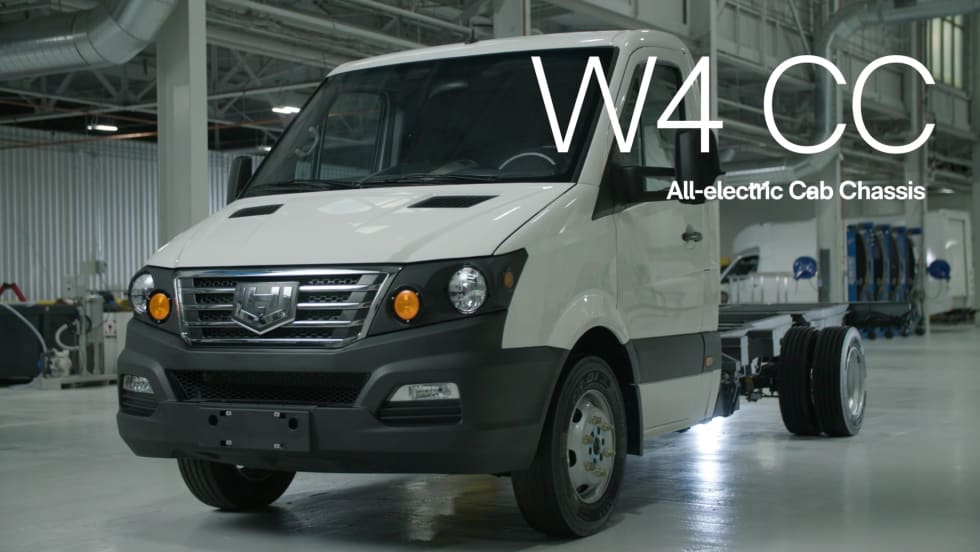
Washington Municipality Adds Workhorse Electric Trucks to Fleet
The municipality will deploy two W4 CC electric work trucks for trash and recycling can switch-outs, enhancing the efficiency of its waste management services.
Read More →
From the Archives: Changes in Fleet Acquisitions
When vehicles become harder to acquire, fleet managers must balance keeping vehicles on the road longer while managing the escalating operating costs of older vehicles.
Read More →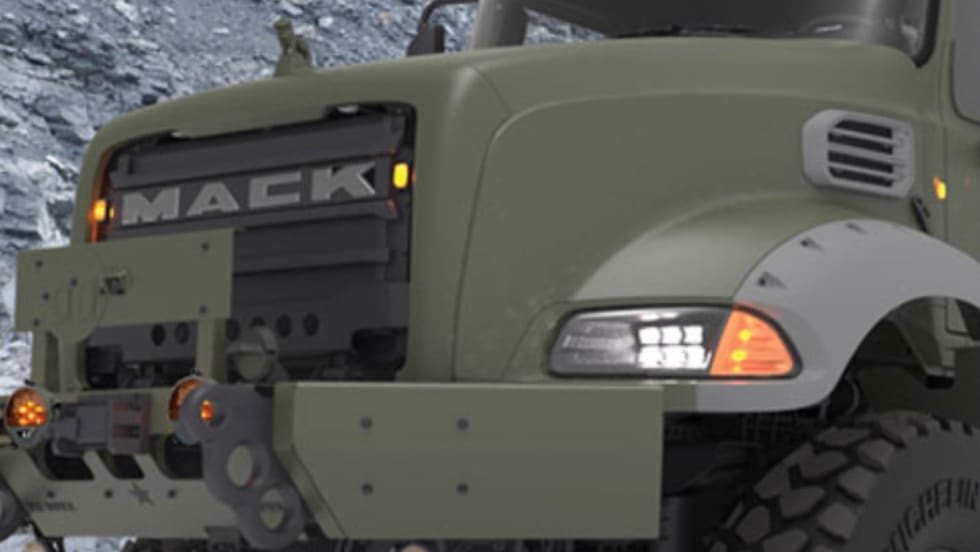
Mack Defense Awarded Contract By U.S. Marine Corps To Develop Medium Tactical Truck
The U.S. Marine Corps awarded Mack Defense a 12-month contract for the initial development of a new Medium Tactical Trucks (MTT) fleet.
Read More →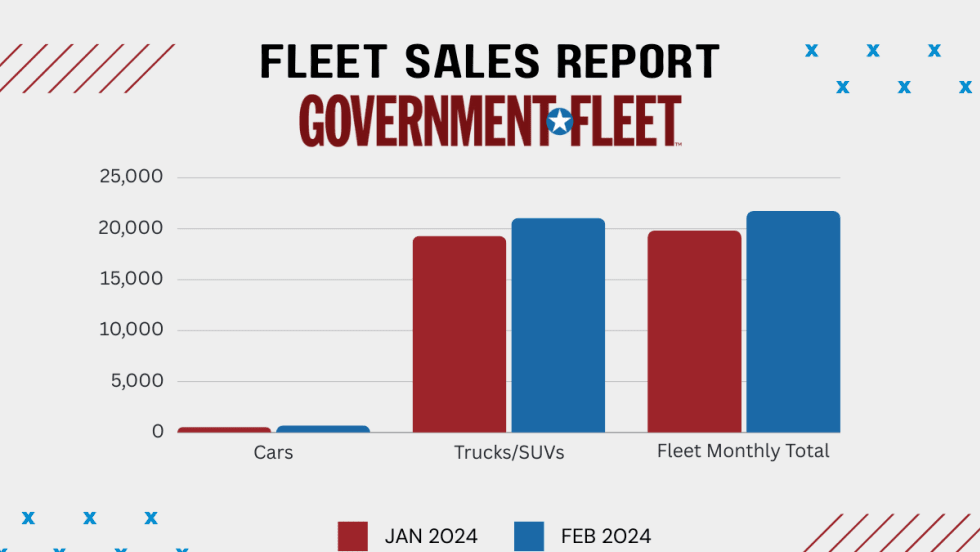
Government Vehicle Sales Rise from January to February
Government vehicle sales continue to rise into 2024 with both car and truck/SUV sales climbing between January and February of 2024, according to Bobit/Government Fleet sales data released March 2.
Read More →
How the UAW Strike Affected Government Fleet Orders from the Big 3
Government Fleet asked the Big 3 how their operations have been in the weeks since the UAW strike ended, with new contracts ratified. Plus, automakers address concerns about vehicle delivery delays.
Read More →
GM Defense to Supply Armored Vehicles to U.S. Department of State
Details on the contract, a look at upgrades and an improved up-armoring process in the next generation heavy-duty armored SUVs, and how the Department of State landed on GM Defense's product.
Read More →