




Michigan Expands Use of Fleet Management Application
LANSING, MI - The State of Michigan expanded use of a browser-based motor pool management application to 14 locations statewide, allowing control from one centralized location.
LANSING, MI - The State of Michigan expanded its use of FleetCommander automated motor pool technology to the cities of Traverse City and Escanaba, bringing the total to 14 locations across the State as part of its comprehensive cost-cutting initiative, according to a release from Agile Access Control, Inc., creator of FleetCommander, a web browser-based fleet and motor pool management application.
The State uses the fleet management application to oversee operations from one centralized location in Lansing. According to Dave Ancell of Michigan's Department of Technology, Management and Budget's Vehicle and Travel Services, the technology allows the State to "analyze real-time vehicle utilization rates to make more efficient use of our fleet, which includes better use of our motor pool system and greater efficiency in the reservation process for those pooled vehicles."
Each of the 14 locations uses a self-service motor pool kiosk; five of those pair the kiosk with Fleetcommander's secure key control hardware that provides secure, automated, round-the-clock access to vehicles, the release stated.
The roll-out of motor pool technology is part of Michigan's comprehensive effort to slash costs and change driver behavior across the state. The state now uses FleetCommander to manage car sharing for 347 vehicles among 3,051 end-users. More than 200 motor pool requests are made each work day statewide. Expansion to at least five more Michigan cities is planned in the next calendar year, according to Agile.
In addition to the motor pool capabilities, the state is using the application for asset and driver management, policy enforcement, reporting, and fleet driver communications.
More Safety
What Public Fleets Should Document and Preserve After a Collision
Dashcam footage can be overwritten, witnesses can leave, and repairs can erase evidence. What should public fleets document and preserve before that information is lost?
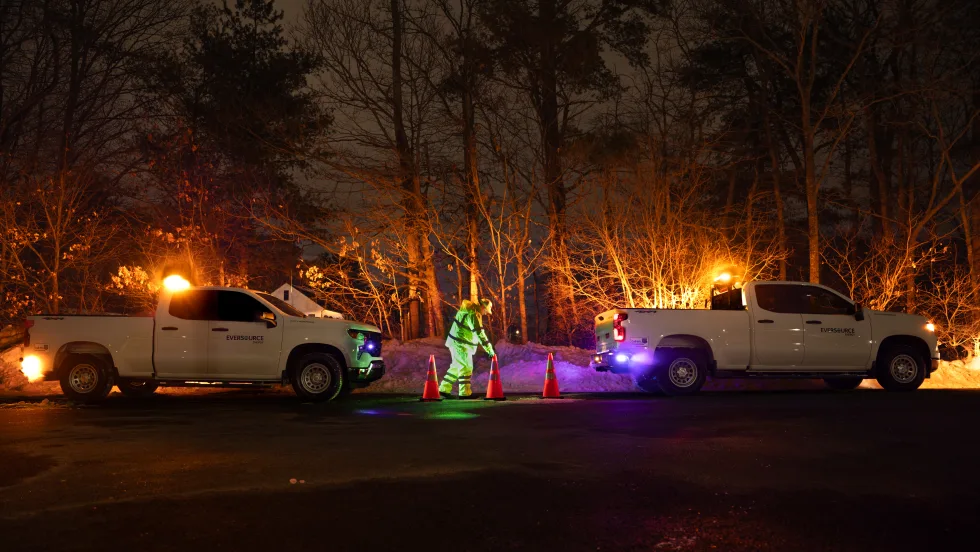
Enhanced Worker Safety Through UV Lighting Technology
An examination of how ultraviolet (UV) perimeter lighting can improve the visibility of workers wearing high-visibility apparel and safety equipment in low-light environments. When paired with durable optical materials and effective light distribution, UV illumination offers a complementary approach to reducing worker exposure risks near traffic and equipment.
New Partnership Aims to Expand Public Digital Hazard Alert System Statewide
The Hawai’i Department of Transportation (HDOT) is expanding advance digital hazard alerts for the public statewide.

New York City Expands Safety Technologies Across Municipal Fleet
Executive Order 19 moves intelligent speed assistance and pedestrian alerts from pilot programs toward standard fleet equipment, offering other public fleets a look at how safety technology can be tested, measured, and scaled.
Hidden in Plain Sight: Fleet Compliance Risks
Fleet compliance isn't just about having policies — it's about consistently enforcing them. This practical guide reveals six hidden compliance risks common in public sector and shared fleet operations and outlines proven strategies to improve visibility, accountability, and audit readiness.

5 Days Left to Submit Your 2026 Fleet Safety Award Nomination
Know a government fleet, safety, or risk manager who deserves recognition for making fleet operations safer? Nominations are open through Aug. 15.
How the First 24 Hours Can Shape a Fleet Crash Response
How a strong accident response process helps government fleets move from the initial report to recovery while building a clearer record for what needs to change next.
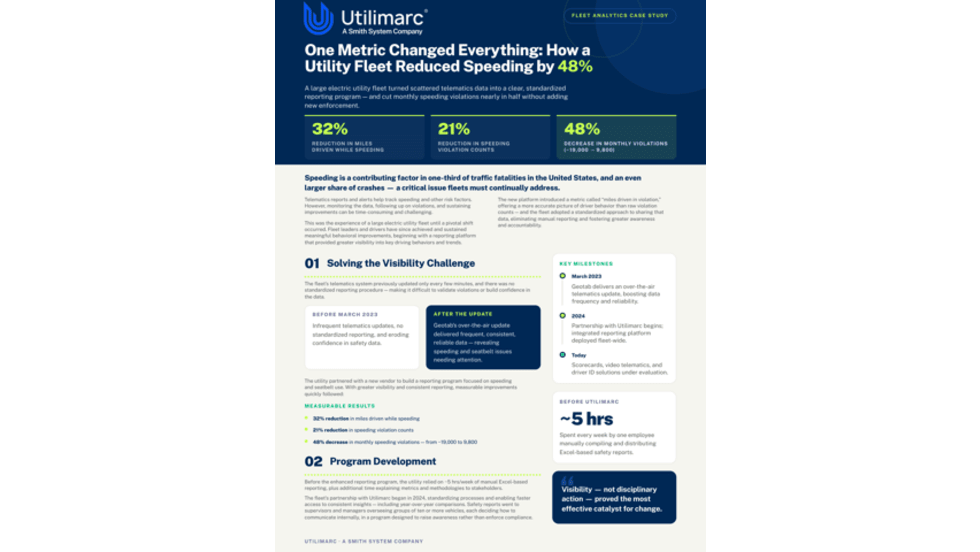
How Better Visibility Cut Speeding Violations by 48%
Fleet leaders don't need more data, they need clearer visibility into what the data is saying. This case study explores how one utility replaced speeding-event counts with a single metric — miles driven in violation — to strengthen safety and significantly reduce speeding violations.
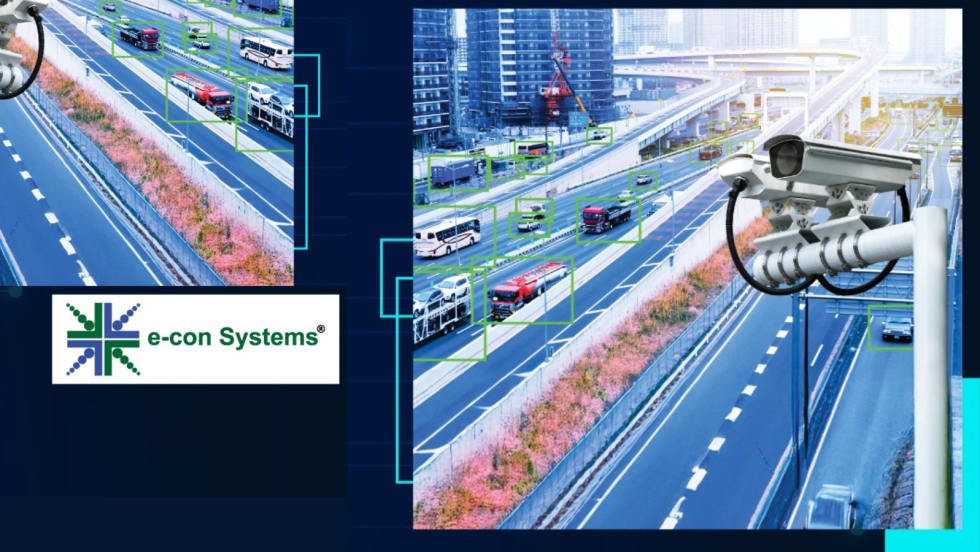
e-con Systems Expands AI Camera Tools for Traffic Monitoring
The systems support license plate recognition, traffic analytics, and video management for transportation agencies.
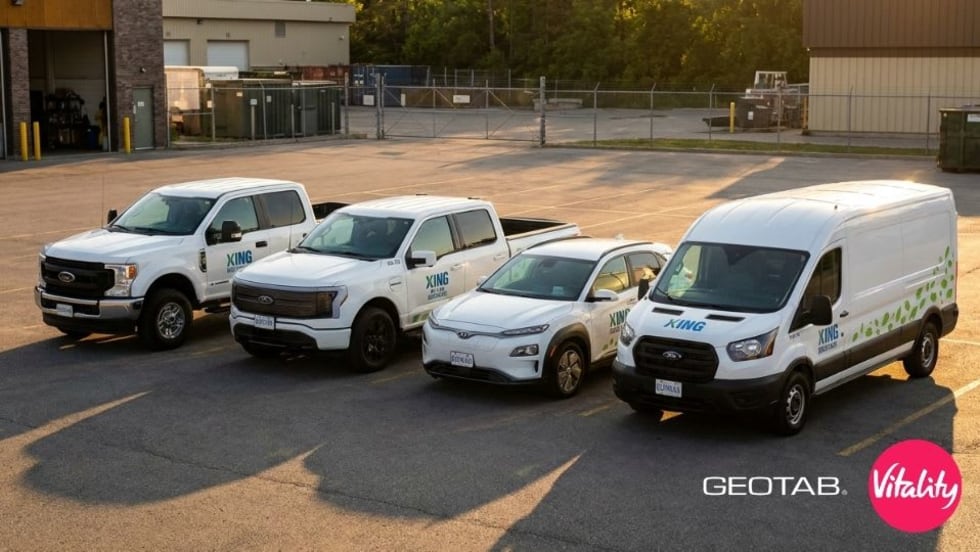
King Township Pilot Links Driver Feedback to Reduced Speeding
How King Township, a best-in-class municipal fleet, reduced speeding by 10.9% and demonstrated a projected 349% ROI by putting safety ownership directly in drivers' hands.