




Maricopa Police Officer Accused of Mismanaging Fleet
MARICOPA, AZ - Sgt. Aki Stant recently underwent a nearly three-month investigation involving mismanagement of the police fleet.
MARICOPA, AZ - A Maricopa Police Department sergeant recently underwent a nearly three-month investigation involving mismanagement of the police fleet, according to InMaricopa.com.
The alleged mismanagement of the police fleet occurred from September 2008 to March 2009 when Sgt. Aki Stant was temporarily assigned as fleet manager. During this time, it is alleged Stant failed to schedule and coordinate vehicles needing service due to factory recalls and failed to keep track of the vehicles' usage, reported InMaricopa.com.
A 62-page report documenting the investigation identified eight substantiated allegations brought forth against Stant, essentially focused on an inability to complete reports in a timely manner, mismanagement of the police fleet, and failure to repair weapons in a timely manner. The investigation found he had 196 of these reports in his in-box, awaiting approval; one of which was two months old.
Stant was placed on paid administrative leave during the investigation from July 7 to Oct. 5, according to InMaricopa.com. The department recommended he receive a one-day suspension and be placed on 90-day probation, during which time if similar actions are repeated he could receive further disciplinary action.
Stant is currently appealing the investigation findings, according to InMaricopa.com.
More Safety

New York City Expands Safety Technologies Across Municipal Fleet
Executive Order 19 moves intelligent speed assistance and pedestrian alerts from pilot programs toward standard fleet equipment, offering other public fleets a look at how safety technology can be tested, measured, and scaled.
Read More →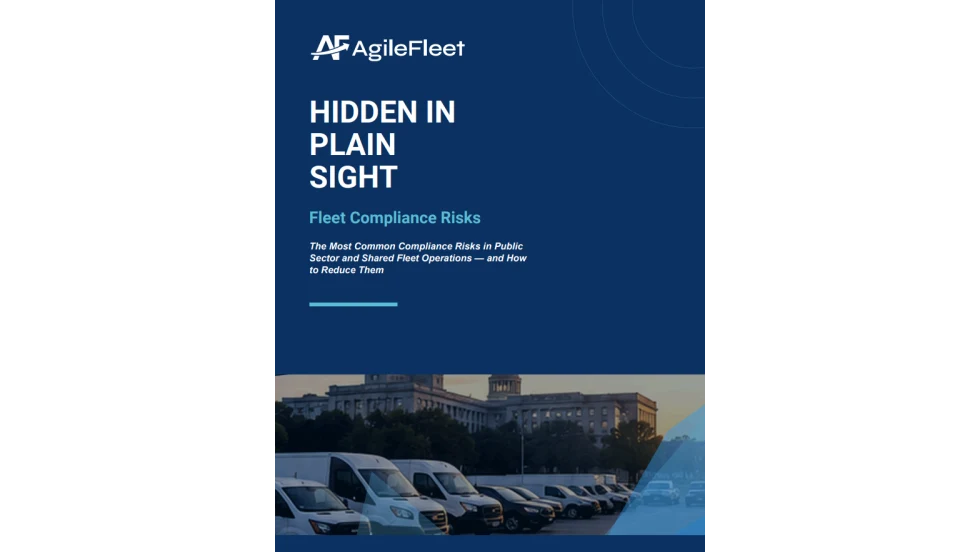
Hidden in Plain Sight: Fleet Compliance Risks
Fleet compliance isn't just about having policies — it's about consistently enforcing them. This practical guide reveals six hidden compliance risks common in public sector and shared fleet operations and outlines proven strategies to improve visibility, accountability, and audit readiness.
Read More →
5 Days Left to Submit Your 2026 Fleet Safety Award Nomination
Know a government fleet, safety, or risk manager who deserves recognition for making fleet operations safer? Nominations are open through Aug. 15.
Read More →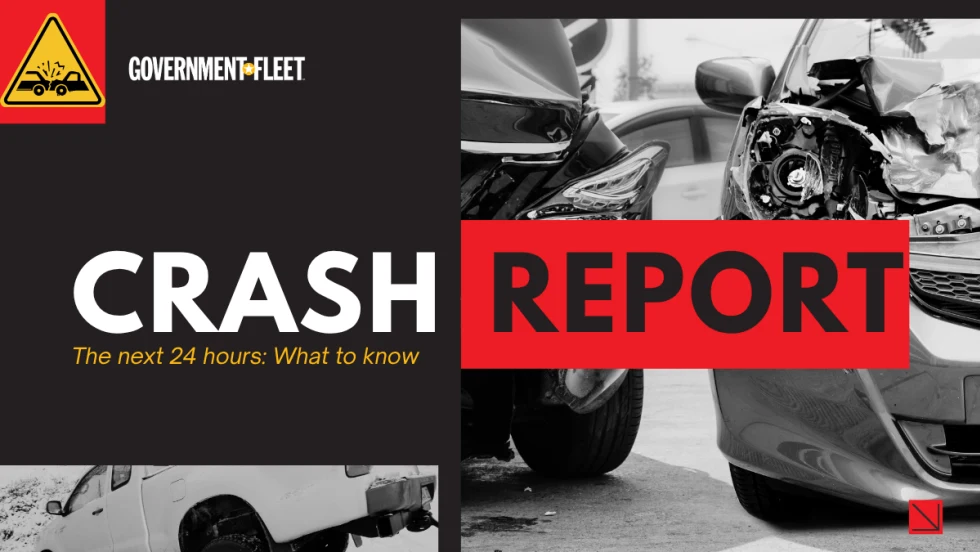
How the First 24 Hours Can Shape a Fleet Crash Response
How a strong accident response process helps government fleets move from the initial report to recovery while building a clearer record for what needs to change next.
Read More →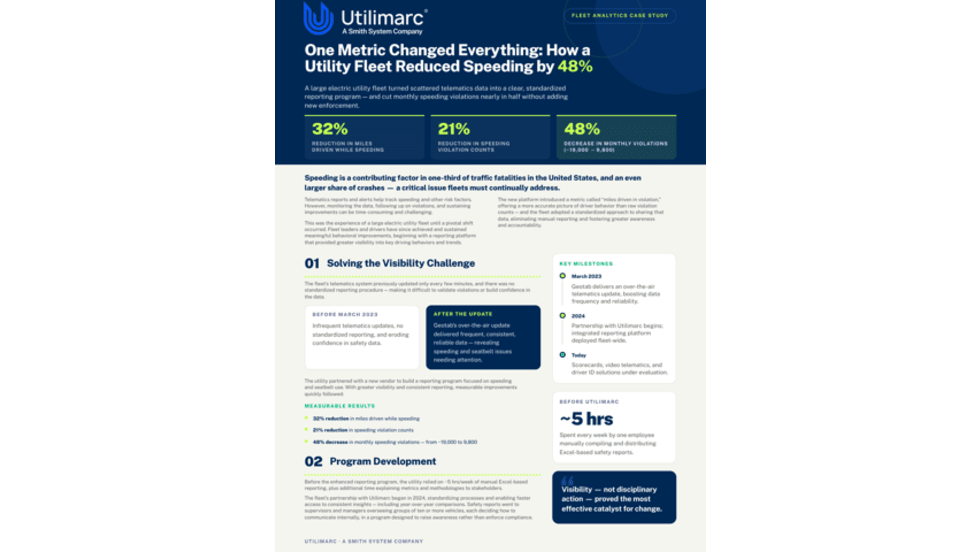
How Better Visibility Cut Speeding Violations by 48%
Fleet leaders don't need more data, they need clearer visibility into what the data is saying. This case study explores how one utility replaced speeding-event counts with a single metric — miles driven in violation — to strengthen safety and significantly reduce speeding violations.
Read More →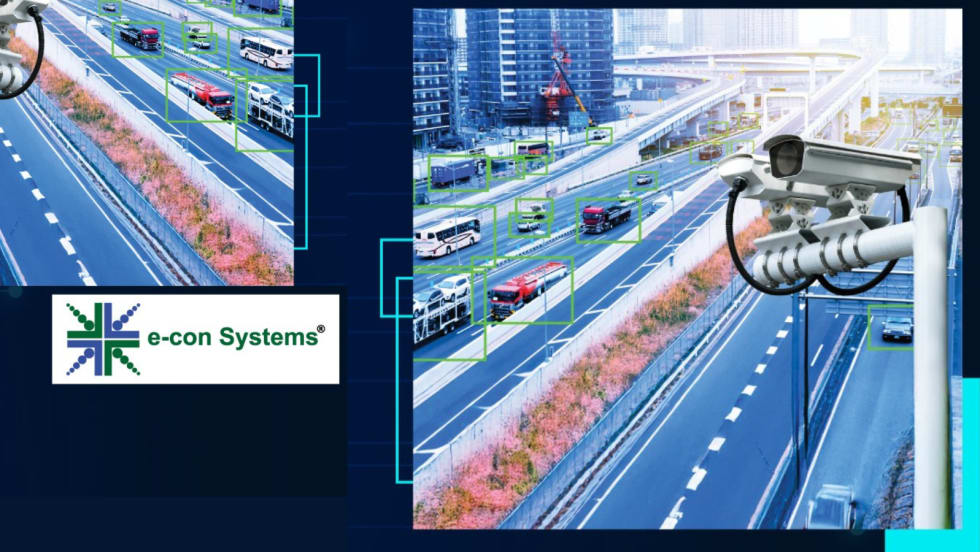
e-con Systems Expands AI Camera Tools for Traffic Monitoring
The systems support license plate recognition, traffic analytics, and video management for transportation agencies.
Read More →
King Township Pilot Links Driver Feedback to Reduced Speeding
How King Township, a best-in-class municipal fleet, reduced speeding by 10.9% and demonstrated a projected 349% ROI by putting safety ownership directly in drivers' hands.
Read More →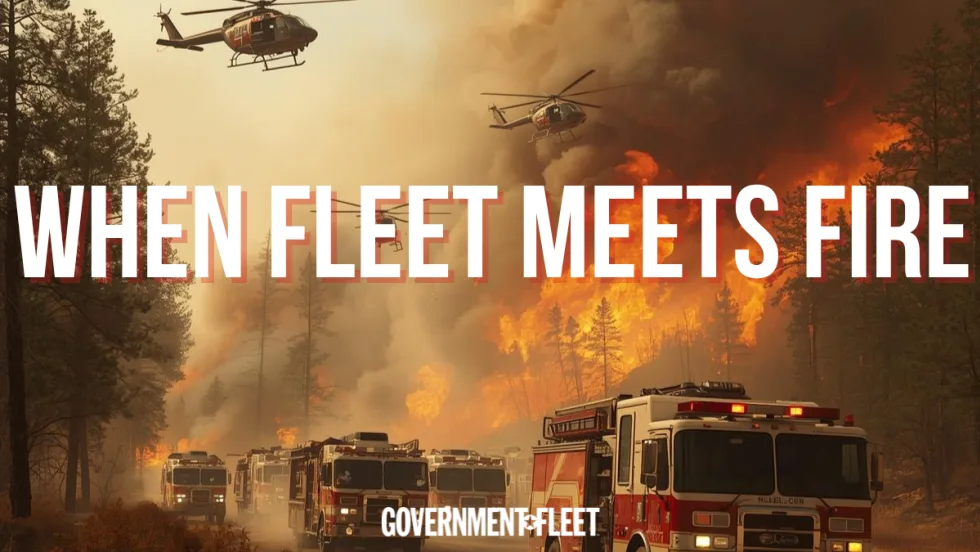
Beyond the Fireline: The Critical Role of Public Fleets in Wildfire Response
Behind every wildfire response is a complex network of vehicles, data, and decisions that must work in sync under extreme pressure. Global heating trends require strong fleet coordination and reliable communications to keep crews safe and operations running smoothly.
Read More →
How AI Is Transforming Public Fleet Safety - Part 1
AI-powered safety systems are helping public fleets tackle distracted driving by delivering real-time coaching and measurable behavior change behind the wheel. In part one of our Q&A, Nauto CEO Stefan Heck explains how agencies can improve safety, reduce costs, and navigate implementation challenges with AI-driven technology.
Read More →
Reducing Risk and Improving Safety in Public Sector Fleets with Advanced Driver-Assist Technology
Public sector fleets face increasing pressure to improve safety, reduce liability, and operate efficiently. See how advanced vehicle technologies are helping agencies protect drivers, the public, and their budgets.
Read More →