




License Plate Scanners Help Recover Stolen Cars, But Raise Concerns
PHOENIX – Officer David Callister was about to drive past the 1991 Nissan sedan when an alert sounded inside his cruiser and an image of a license plate flashed on his laptop.
PHOENIX – Officer David Callister was about to drive past the 1991 Nissan sedan when an alert sounded inside his cruiser and an image of a license plate flashed on his laptop. It was a signal that the vehicle was stolen, according to the Web site www.kvoa.com. The alert came from a $20,000 device that uses small infrared cameras mounted on the police car to automatically scan license plates and match the numbers against databases of stolen vehicles and people wanted for crimes.
An estimated 400 of the nation’s 18,000 police agencies own at least one license plate scanner, and police officials expect the readers to become more common in the coming years as the price of the devices falls, the report said. The readers let officers scan about 75 times more plates during an eight-hour shift than the traditional method: writing down numbers and running them past a dispatcher.
Even though scanner-equipped cars represent a small part of a given agency’s fleet, the devices are helping police recover stolen cars, find people wanted on criminal warrants, and respond to urgent situations.
In Central and Southern Arizona, a dozen Department of Public Safety vehicles with scanners are trying to catch stolen cars headed to Mexico and disrupt smugglers using ripped-off vehicles to move drugs and illegal immigrants.
The California Highway Patrol is trying to combat the state’s high auto theft rate by scattering its 16 vehicles with scanners on urban freeways and rural highways and putting a handful of stationary readers on the ground. In Long Beach, Calif., where seven vehicles with scanners were used to catch car thieves, officials were testing a plan to link a database of parking ticket scofflaws to the scanners.
After the two to four cameras mounted on the light bars or bumpers of cars spot a license plate, the numbers are fed to a computer processor in the trunk where the information is matched against databases. A burst of license plate images appear on the laptop when an officer is driving freeways and streets, beeping each time a car is scanned. Then, the officer must verify, through a call to a dispatcher, that the numbers captured by the device match the information in the database.
The prospect of catching more suspected felons prompted police in Springdale, Ohio, to get a card reader for one of their 13 cruisers, according to www.kvoa.com.
More Operations

Fleet Forward Conference Introduces One-Day Passes for 2026
New one-day registration lets fleet professionals attend Tuesday, Wednesday, or Thursday, with passes available for $249.
Read More →
ENC Unveils its ZAVIR Medium-Duty Shuttle
Two variants of the concept shuttles were revealed: a low-floor configuration and a high-floor configuration.
Read More →
Could Your Next Fleet Technician Start as an Intern?
What if your next technician hasn’t worked in a fleet shop yet? What fleets are doing to free up time.
Read More →
How Phoenix Is Building Its Next Generation of Fleet Technicians
With more than 8,000 vehicles and pieces of equipment to maintain, the City of Phoenix could not afford to wait for fully trained technicians to walk through the door. Instead, they revamped their entire workforce strategy and showed how public fleets can create their own talent pipeline while preparing existing employees for increasingly complex vehicles.
Read More →
What’s Slowing Your Fleet Down?
Could a change in how work gets done help your fleet return vehicles to service sooner?
Read More →
Can Public Fleets Trust the Data Driving Their Decisions?
Public fleets have more data than ever, but inconsistent records and missing information can still undermine maintenance, replacement, and cost decisions.
Read More →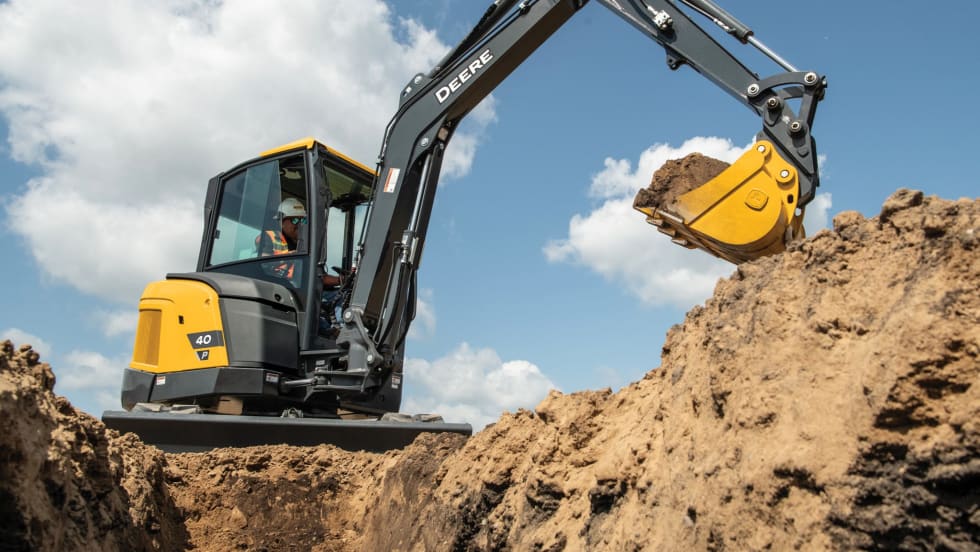
John Deere Introduces 40 P-Tier Compact Excavator
John Deere is adding a compact excavator designed for crews that need to move equipment between jobsites and handle multiple types of work with one machine. The 40 P-Tier weighs less than 10,000 pounds and offers configurable hydraulics, attachment options, and connected fleet-management capabilities.
Read More →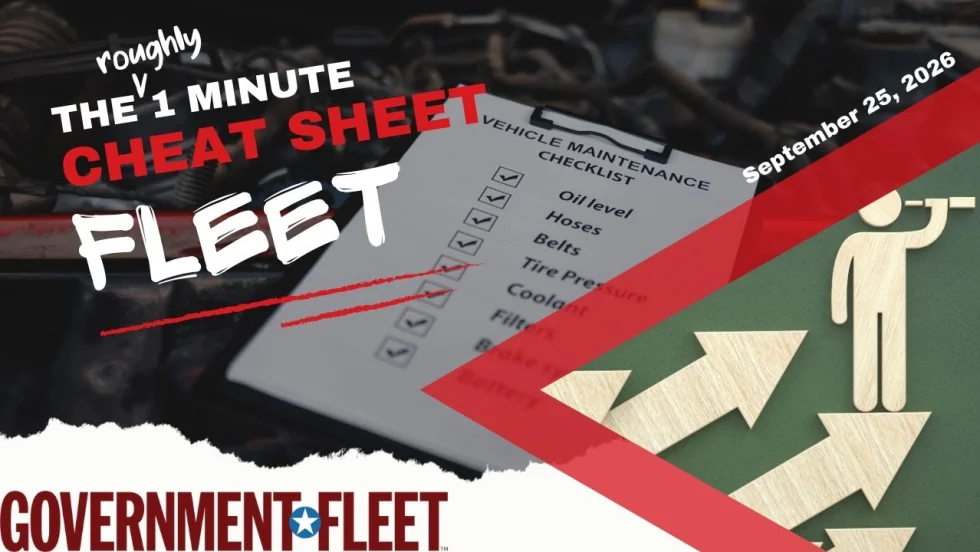
How Leading Fleets Improve and Why Business Plans Matter
This week, we look at what past Leading Fleet winners can teach us about making progress, plus how to build a business plan your fleet will actually use.
Read More →
Nominate a Fleet Leader for the 2027 Public Fleet Hall of Fame
Do you know a fleet leader who has made a lasting impact on the industry? Nominate this fleet professional for the 2027 Public Fleet Hall of Fame.
Read More →
Why Fleet Business Plans Need Three Perspectives
A fleet business plan should help agency leaders understand the fleet’s value, give the organization a clear direction, and establish shared expectations with customer departments.
Read More →