




Less Waste, Longer Life Are Key Features of New Aqueous Parts Cleaner
SKOKIE, IL - The new Oil Eater 45-gallon water-based parts washer reduces the need and cost of disposal service and its industrial-grade HDPE resin tank provides for long and trouble-free operation.
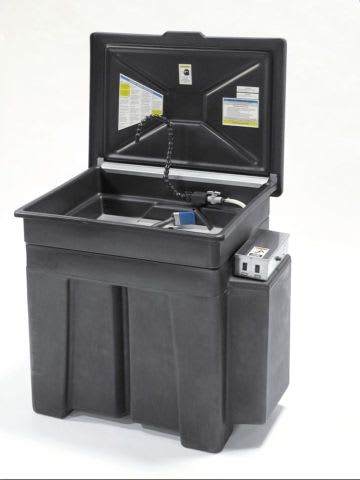
SKOKIE, IL - The new Oil Eater 45-gallon water-based parts washer reduces the need and cost of disposal service and its industrial-grade HDPE resin tank provides for long and trouble-free operation.
The unit comes ready to use and can be heated to 110 degrees fahrenheit by a 1,000-watt heaters that shortens heat-up time.
Other key features include separate heater and pump switches with lighted on/off indicators, a filter system that prolongs fluid life, a flexible spigot and flow-through brush and a stainless steel work shelf. Protection is provided with a ground fault interrupter.
The work station measures 24”Wx32”Lx9”D. Three five-gallon pails of eco-friendly Oil Eater cleaner-degreaser are included. Oil Eater also offers a unit with the same features in a 25-gallon size. Its dimensions are 19”Wx29”Lx15”D. It comes with two five-gallon pails of Oil Eater cleaner-degreaser.
For additional information visit: www.oileater.com.
More Maintenance

Freeing Technicians for Higher-Priority Repairs
Could paid interns help public fleets free up experienced technicians for more complex repairs?
Read More →
Stay ready, set and safer with verified fleet inspections
When fleet inspections aren’t verifiable, missed defects can quickly become downtime, safety risks, and service delays. This white paper shows government and municipal fleet leaders how digital inspections can improve accountability, catch issues earlier, and keep vehicles ready when they’re needed most.
Read More →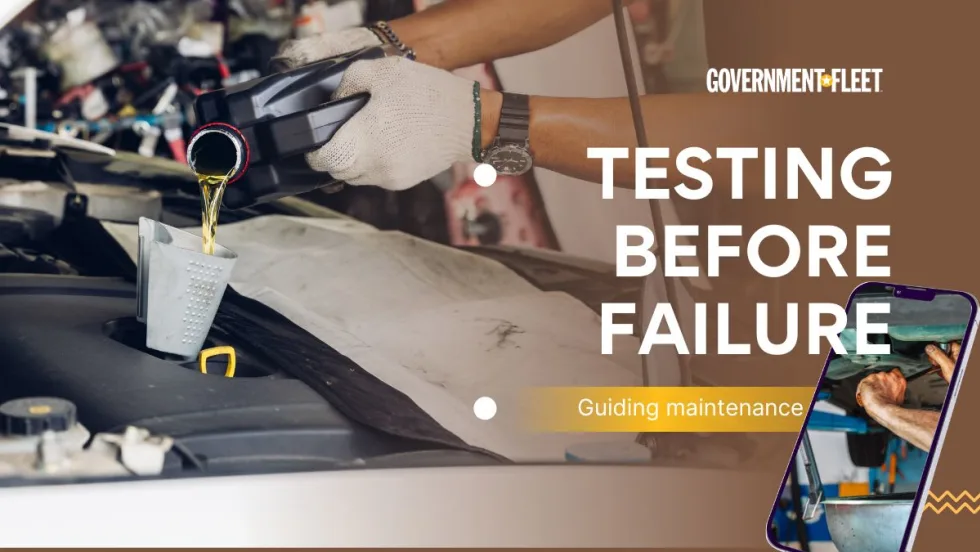
Using Oil Analysis to Help with Engine Losses
How a Texas city changed its lubrication practices and began tailoring preventive maintenance intervals after test results showed oil degradation and fuel dilution.
Read More →
Hidden in Plain Sight: Fleet Compliance Risks
Fleet compliance isn't just about having policies — it's about consistently enforcing them. This practical guide reveals six hidden compliance risks common in public sector and shared fleet operations and outlines proven strategies to improve visibility, accountability, and audit readiness.
Read More →
Is Your Fleet Garage Holding Back Your Operation? | The Fleet Breakroom
Norman Barrientos of Barrientos Design & Consulting explains how agencies can use operational data to show decision-makers why a replacement or major renovation is needed.
Read More →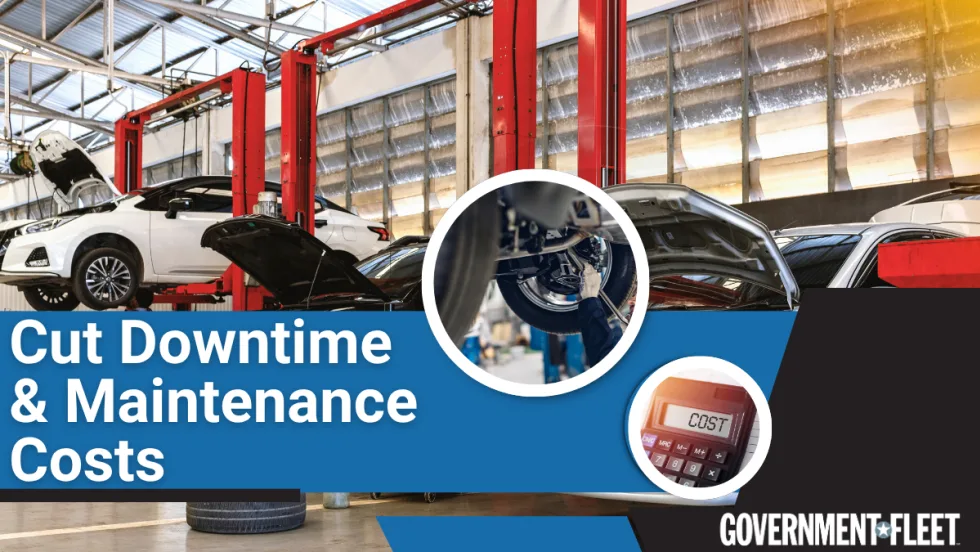
Reducing Long-Term Maintenance Costs and Downtime
Downtime is rarely caused by a single surprise failure but rather by an issue that builds over time through setbacks ranging from deferred maintenance to poor replacement planning. So what's the fix?
Read More →
The Future of Government Fleet Technicians with Mike Cleary
Insight on preparing for hybrid and electric vehicle service, what fleets need to know about recruiting technicians in a competitive market, and how to make the most of limited training budgets.
Read More →
Work Orders Are More Than Records. They're a Roadmap to Fleet Availability
What if your work orders could predict failures, uncover hidden costs, and boost fleet availability? Here's how leading fleets are using the data.
Read More →
Drive More Profit with Greater Fleet Uptime
Fleet downtime costs money. JASPER helps keep vehicles on the road with quality remanufactured components, fast nationwide delivery, and reliable solutions that boost uptime and profitability.
Read More →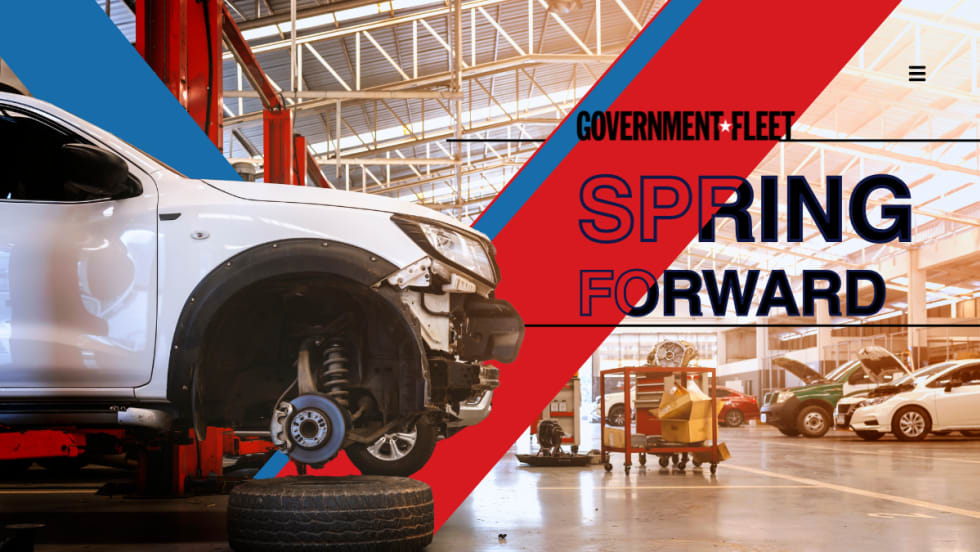
Smart Seasonal Maintenance Tips for Government Fleets
Government fleets carry extra weight, and routes, schedules, and public trust depend on reliability. A systematic spring checklist keeps vehicles in service when agencies need them most.
Read More →