




Hawaii Takes the First Step to Being a 100 Percent Biodiesel State
HONOLULU – The State of Hawaii is taking a big step toward becoming a green state with the policy they have enacted with Hawaiian Electric Company (HECO) in association with the Natural Resources Defense Council.
HONOLULU – The State of Hawaii is taking a big step toward becoming a green state with the policy they have enacted with Hawaiian Electric Company (HECO) in association with the Natural Resources Defense Council.
The new policy will ensure that the state’s electric companies, Hawaiian Electric, Maui Electric and Hawaii Electric Light, will only purchase biodiesel fuel that will be produced only from sustainable feed stocks that are only grown locally. And it will only purchase palm oil that is in compliance with the rules that have been established by the international Roundtable on Sustainable Palm Oil. This move is the beginning of an end of dependency on fossil fuels and is the start of environmentally friendly energy in Hawaii.
The electric companies in Hawaii make up the largest utility that uses petroleum diesel fuel in the country. When they have completed the transition away from petroleum diesel, they will become the largest used of biodiesel in the county.
Before the policy was put into action, it underwent a review by a panel of academic experts in both Hawaii and California. Their aim was to make sure that it will encourage the development of a constant, sustainable supply of locally manufactured biofuels and that the feedstock is enough to meet the demand as well as to make sure that the forests and the other environmentally sensitive areas in Hawaii are protected. They also held a series of public meetings to get the views of the citizens on the project.
They would need to be in full compliance with the rules of the Roundtable on Sustainable Palm Oil, which is an international organization made up of more than 200 members who represent all factors of the palm oil industry. They must also go beyond the rules of the Roundtable and have the additional restriction of not damaging any existing natural ecosystem by converting it to the cultivation of the feedstocks.
They must also exceed the Roundtable’s criteria before they make their first shipment to Hawaii.
More Operations

The FleetGap Initiative: Transitioning from Military to Civilian Fleet Roles
FleetGap is working to build the missing bridge between service members preparing for civilian careers and fleet employers facing workforce shortages.
Read More →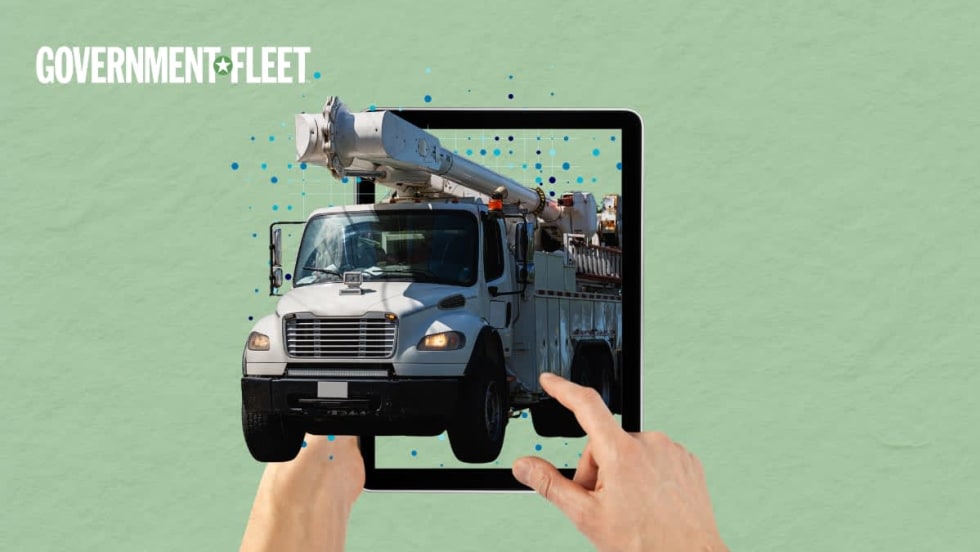
How Government Fleets Are Turning Connected Vehicle Data Into Practical Decisions
Public sector fleets are using connected technology to improve visibility, but the bigger challenge is building the processes to act on the information it provides.
Read More →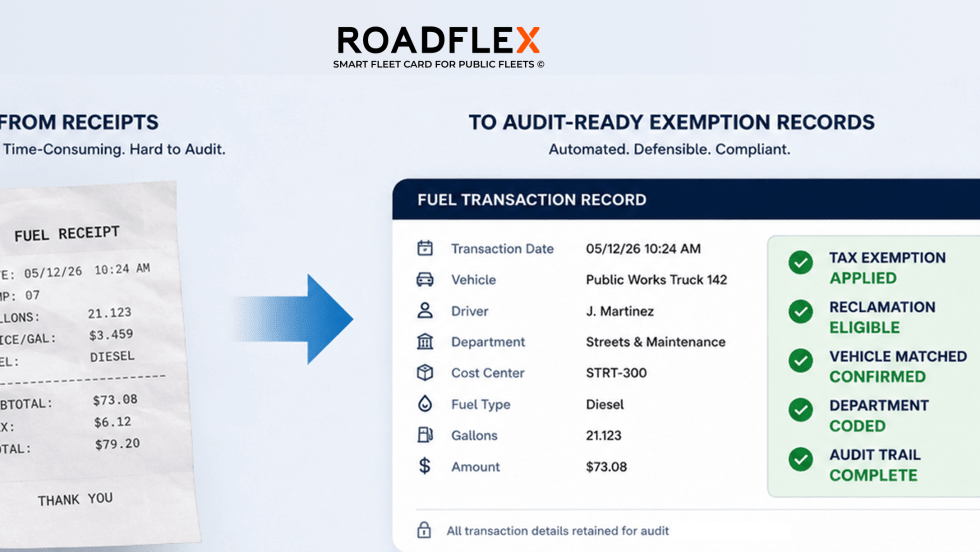
RoadFlex Brings Fuel Tax Compliance and Audit-Ready Reporting to Government, Public Works Fleets
New capabilities aim to help public-sector and public works fleets streamline fuel tax exemptions, reclamation, reconciliation, and audit-ready reporting.
Read More →
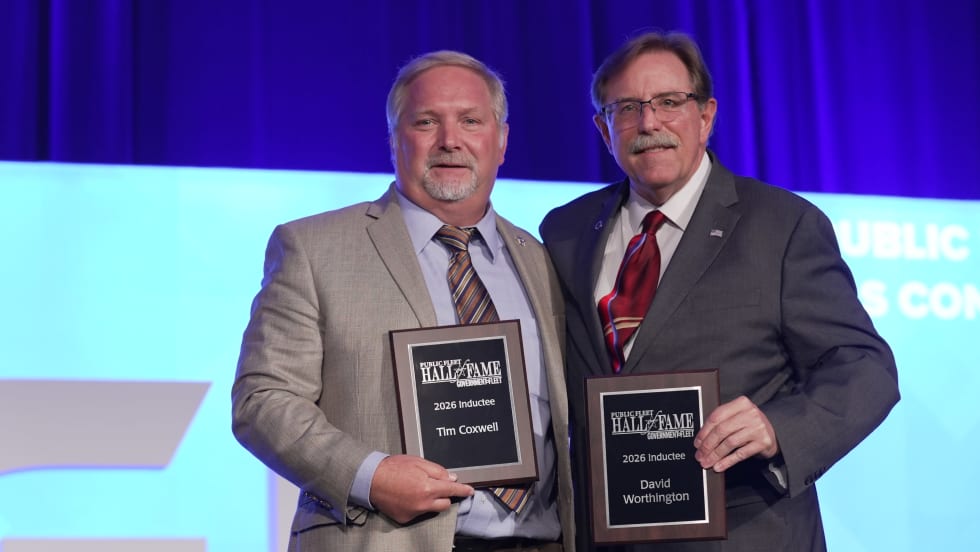
2026 Public Fleet Hall of Fame Inductees Honored
This year's class includes leaders whose work has helped shape the public fleet industry.
Read More →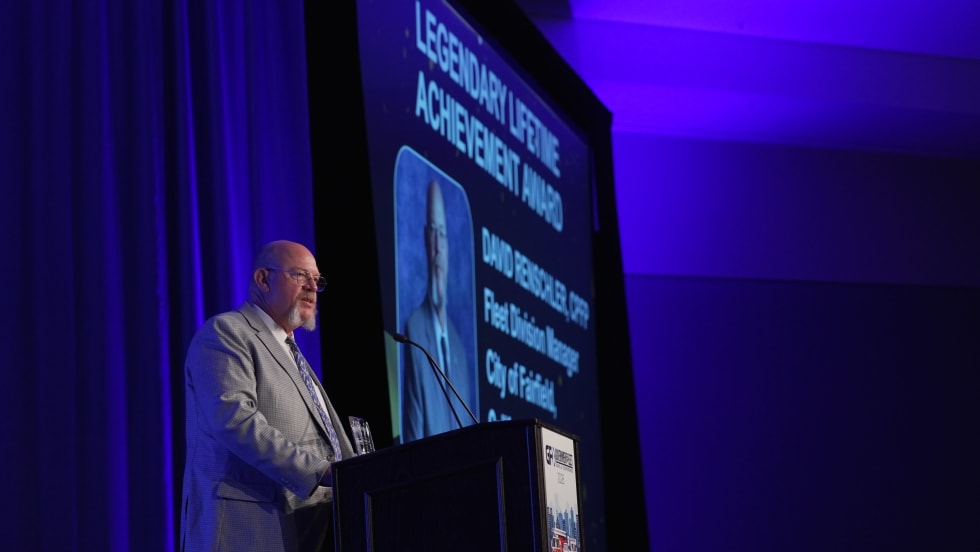
David Renschler Receives 2026 Legendary Lifetime Achievement Award
Andy Campbell of Sourcewell, which partnered with Government Fleet in presenting the award, recognized Renschler.
Read More →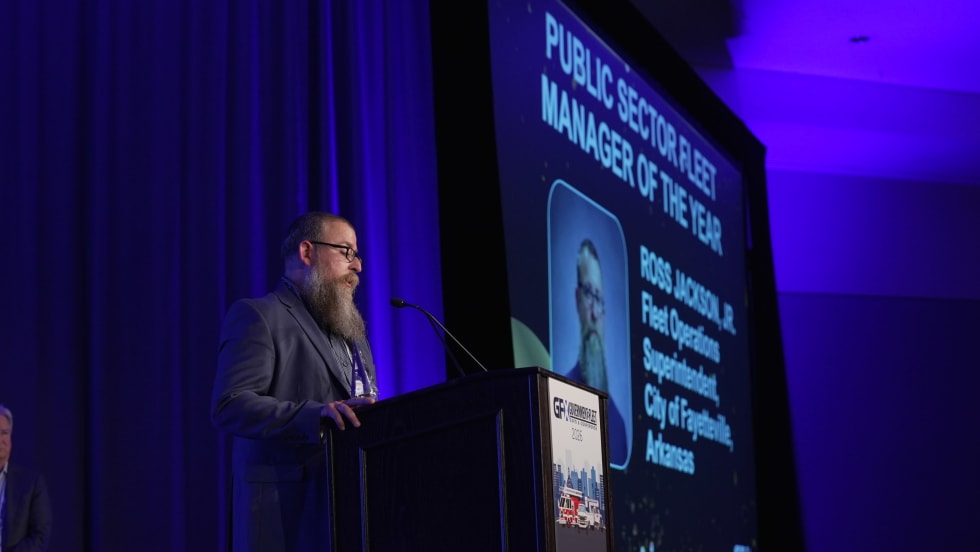
Ross Jackson Jr. Named 2026 Public Sector Fleet Manager of the Year
His leadership, innovation, and commitment to excellence earned him one of the industry's top honors.
Read More →
Public Fleet Professionals Set to Converge as GFX Gets Underway
Known as the largest gathering of public fleet professionals in the nation, GFX will feature in-depth training sessions, emerging fleet technologies, and access to leading suppliers and service providers.
Read More →
The Technician Pipeline: Finding, Keeping, and Promoting Techs Within the Operation
A look at where to find good talent, what fleets are doing to incentivize those techs to stay within the fleet, and what promotion looks like for a technician within the public sector.
Read More →
5 Public Fleet Stories Worth Revisiting Before GFX | The May Dispatch
Public fleet leaders are being asked to prepare for more, communicate better, and make decisions that hold up under pressure.
Read More →
Drive More Profit with Greater Fleet Uptime
Fleet downtime costs money. JASPER helps keep vehicles on the road with quality remanufactured components, fast nationwide delivery, and reliable solutions that boost uptime and profitability.
Read More →