




GSA Program Saves New Bedford $226K on Vehicle Purchases
NEW BEDFORD, MA - The City of New Bedford purchased 13 vehicles from the General Services Administration (GSA) New England Region at discounted prices through the Exchange/Sale Program.
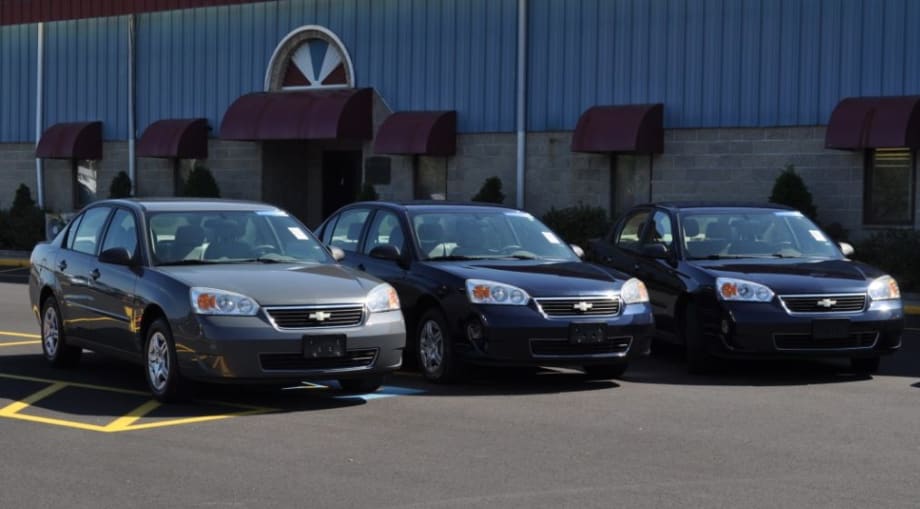
The average odometer reading for the vehicles was about 30,000 miles.
The average odometer reading for the vehicles was about 30,000 miles.
NEW BEDFORD, MA - The City of New Bedford purchased 13 vehicles from the General Services Administration (GSA) New England Region at discounted prices through the Exchange/Sale Program that allows municipalities to purchase federal vehicles, according to a press release from the GSA. The transfer and a ceremonial "handing over of keys" took place on Sept. 2 at Manheim New England Auction House in Massachusetts.
The city purchased the 13 cars for a total sales price of $131,000; 2011 MSRP for similar cars would be in excess of $357,000. The average odometer reading for the vehicles was about 30,000 miles. "There's a lot of life left in these cars. We maintain our vehicles well, so we're always happy to be able to make good cars available to cities and towns when we can," GSA New England Regional Administrator Bob Zarnetske said.
According to Elizabeth Treadup from the Mayor's Office at New Bedford, the vehicles will be used by several City department including inspectional services, health, and assessors.
"We greatly appreciate the federal government, through Bob Zarnetske, GSA Regional Administrator, providing New Bedford city government with this important opportunity to save taxpayer dollars. These vehicles will replace 1992 models in New Bedford's fleet with over 100,000 miles. The old vehicles are consistently in the city shop and under repair; therefore, their replacement will also save time and the cost of parts," New Bedford Mayor Scott Lang stated in the release.
"Especially in these difficult times, we all need to look for ways to work together and save taxpayer dollars," Zarnetske added. "The Exchange/Sale program allows our Fleet to offer eligible organizations quality federally-owned vehicles through the Fixed Price Sales Program guaranteeing that taxpayers get the full benefit of these vehicles."
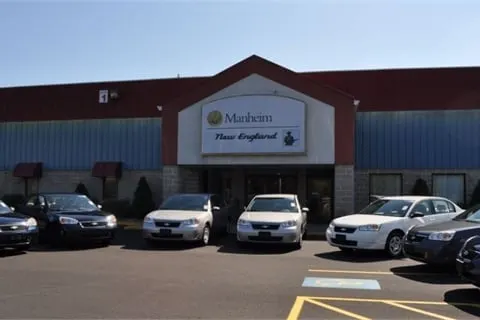
The transfer and a ceremonial "handing over of keys" took place on Sept. 2 at Manheim New England Auction House in Massachusetts.
More Operations

What Can Disappear After a Fleet Crash?
This week, we look at drone footage, what fleets should document before repairs begin, and share a quick poll.

Does Your Government Fleet Handle Refuse and Waste Operations? Take Our Poll
Government Fleet wants to hear from public-sector fleet professionals about their responsibilities for refuse collection and waste management equipment.

Fleet Replacement Decisions, Waste Fleet Technology and the GFX Deadline
Is your next vehicle the right fit, can your records settle a missed pickup dispute, and what could your fleet teach others at GFX 2027?

Is Delaying Fleet Replacement Really Saving Money?
Could delaying replacement cost your fleet more than it saves? This week’s recap takes a closer look, plus an update on GFX 2027.

What Government Fleets Are Missing About Their True Costs
What are fleet budgets missing, and how can agencies use the data they already collect to make a stronger case for change?

Rethinking Fleet Decisions From the Budget Office to the Shop
This October we looked back at how public fleets are reconsidering familiar processes and using what they learn to make better decisions.

Who Owns the Message on a Refuse Truck?
Refuse trucks can carry public messages into neighborhoods, but keeping those messages current takes planning and clear responsibility.

Who Deserves Fleet Recognition and What Could You Teach at GFX?
Who helped shape your fleet career, and what have you learned that could help someone else?

What’s Haunting Public Sector Fleets?
Public sector fleet challenges rarely happen in isolation, and addressing one often means understanding how it connects to another.
Is Keeping Older Fleet Vehicles Really Saving Money?
Is keeping vehicles longer saving money, and what happens when a diagnostic test points to the wrong fix?