




Gov. Schwarzenegger Announces New Fleet of Caltrans Vehicles Powered by Biodiesel Fuel
SACRAMENTO, CA – The California Department of Transportation (Caltrans) is conducting a $100,000 six-month pilot project to determine the feasibility of using B-20 biodiesel fuel, derived mainly from recycled cooking oil in Southern California.
SACRAMENTO, CA – The California Department of Transportation (Caltrans) is conducting a $100,000 six-month pilot project to determine the feasibility of using B-20 biodiesel fuel, derived mainly from recycled cooking oil in Southern California. Caltrans began the pilot project in January. About 20 Caltrans vehicles (trucks and construction equipment) in Indio have been running on B-20 biodiesel. The project will conclude in July, followed by a one- to two-month analysis by the University of California, Riverside.
If the results are favorable, Caltrans could begin fueling up to 4,500 diesel vehicles in its fleet with B-20, a blend of 20 percent non-diesel and 80 percent petroleum diesel. Caltrans uses about 3 million gallons of regular diesel from its fuel sites annually. A switchover to B-20 would decrease its consumption of petroleum by as much as 600,000 gallons yearly.
Biodiesel is seen as a viable choice for Caltrans because the infrastructure is already in place — it has about 230 diesel fuel sites statewide — and only minor, relatively inexpensive modifications would need to be made to these facilities.
Last year, Schwarzenegger signed into law the Global Warming Solutions Act of 2006, which places an economy-wide cap on greenhouse gas emissions and requires a reduction of emissions in California to 1990 levels by 2020. He has also set administrative targets to reduce greenhouse gas emissions in the state to 80 percent below 1990 levels by 2050.
Also, the Schwarzenegger introduced the Low Carbon Fuel Standard in January, which uses enforceable standards, market competition, and flexible compliance to reduce emissions at the lowest cost and in the most consumer-friendly ways. By 2020, it will require a reduction in the carbon intensity of California’s passenger vehicle fuels of at least 10 percent and is expected to more than triple the size of California’s renewable fuels market, displace 20 percent of California’s gasoline consumption with lower carbon fuels, and put more than 7 million alternative fuel or hybrid vehicles on its roads without any new government spending.
More Operations

How St. Johns County Turned Fleet Data Into Better Replacement Decisions
St. Johns County, Florida, had fleet data, but turning it into reliable decision guidance was another matter. Instead of starting over with a new fleet management system, the county connected existing tools and built a scoring system that gives managers an objective look at fleet health.
Read More →
Fleet Forward Conference Introduces One-Day Passes for 2026
New one-day registration lets fleet professionals attend Tuesday, Wednesday, or Thursday, with passes available for $249.
Read More →
ENC Unveils its ZAVIR Medium-Duty Shuttle
Two variants of the concept shuttles were revealed: a low-floor configuration and a high-floor configuration.
Read More →
Could Your Next Fleet Technician Start as an Intern?
What if your next technician hasn’t worked in a fleet shop yet? What fleets are doing to free up time.
Read More →
How Phoenix Is Building Its Next Generation of Fleet Technicians
With more than 8,000 vehicles and pieces of equipment to maintain, the City of Phoenix could not afford to wait for fully trained technicians to walk through the door. Instead, they revamped their entire workforce strategy and showed how public fleets can create their own talent pipeline while preparing existing employees for increasingly complex vehicles.
Read More →
What’s Slowing Your Fleet Down?
Could a change in how work gets done help your fleet return vehicles to service sooner?
Read More →
Can Public Fleets Trust the Data Driving Their Decisions?
Public fleets have more data than ever, but inconsistent records and missing information can still undermine maintenance, replacement, and cost decisions.
Read More →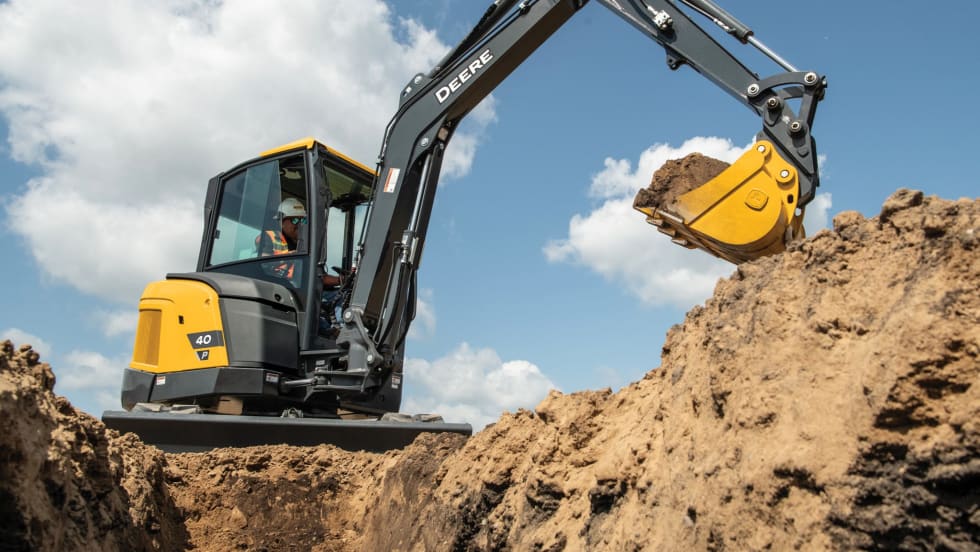
John Deere Introduces 40 P-Tier Compact Excavator
John Deere is adding a compact excavator designed for crews that need to move equipment between jobsites and handle multiple types of work with one machine. The 40 P-Tier weighs less than 10,000 pounds and offers configurable hydraulics, attachment options, and connected fleet-management capabilities.
Read More →
How Leading Fleets Improve and Why Business Plans Matter
This week, we look at what past Leading Fleet winners can teach us about making progress, plus how to build a business plan your fleet will actually use.
Read More →
Nominate a Fleet Leader for the 2027 Public Fleet Hall of Fame
Do you know a fleet leader who has made a lasting impact on the industry? Nominate this fleet professional for the 2027 Public Fleet Hall of Fame.
Read More →