




Going Green: North Carolina FD Innovates with Electric Fire Truck
Georgia Fire Department Has First "Push-In" Ceremony
In January, the Douglas Fire Department in Georgia had a "Push-In" ceremony to honor its firefighters and new fire truck.

Hillary Weiss・Senior Editor

DFD Fire Chief Casey Wright spoke at the "Push-In" ceremony about the new truck.
Photo: City of Douglas
2 min to read
Douglas Fire Department in Georgia had its first "Push-In" ceremony for Fire Station No.2 in January.
As a time-honored tradition among fire stations, a "Push-In" ceremony is when the fire department honors its firefighters, and they push a new fire truck into the station.
Dating back to the 17th century, "Push-In" ceremonies originated when early hand-drawn fire engines and other apparatuses required hand pushing into the station after every call.
In the 18th century, horse-drawn steam engines were used to help put out fires in town, but they could not be backed up into the station. So the horses were disconnected and the firefighters had to still push the engine into the station.
In the 19th century, motorized fire engines spread throughout and didn’t need to be pushed in. Firefighters have continued the tradition of pushing in new trucks to honor the "Push-In" ceremony.

Douglas Firefighters, Coffee County Firefighters, Coffee County EMS, and local dignitaries pushed the new fire truck into the station.
Photo: City of Douglas
The New Fire Truck
The Douglas Fire Department pushed in a new Sutphen Heavy Duty Custom Pumper. With a 1,000-gallon water tank, it’s capable of pumping 1,500 gallons per minute.
It also includes, according to Sutphen:
Capacity for up to 7 air bottles stored in the fender wells
Stainless steel pump plumbing
Double frame rail the entire length of the chassis
“Our firefighters bravely face danger when entering a burning structure without hesitation,” said Mayor Tony Paulk in a press release. “This new fire truck will help our Douglas team continue to provide safe fire protection for everyone.”
This truck is Douglas Fire Department’s third truck.
More Operations
Fleet Replacement Decisions, Waste Fleet Technology and the GFX Deadline
Is your next vehicle the right fit, can your records settle a missed pickup dispute, and what could your fleet teach others at GFX 2027?
Read More →
Is Delaying Fleet Replacement Really Saving Money?
Could delaying replacement cost your fleet more than it saves? This week’s recap takes a closer look, plus an update on GFX 2027.
Read More →
What Government Fleets Are Missing About Their True Costs
What are fleet budgets missing, and how can agencies use the data they already collect to make a stronger case for change?
Read More →
Rethinking Fleet Decisions From the Budget Office to the Shop
This October we looked back at how public fleets are reconsidering familiar processes and using what they learn to make better decisions.
Read More →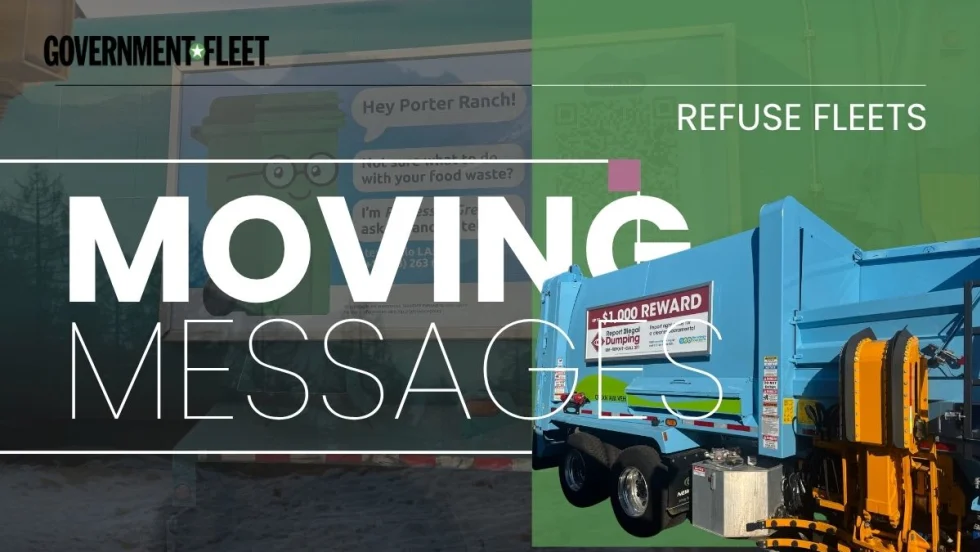
Who Owns the Message on a Refuse Truck?
Refuse trucks can carry public messages into neighborhoods, but keeping those messages current takes planning and clear responsibility.
Read More →
Who Deserves Fleet Recognition and What Could You Teach at GFX?
Who helped shape your fleet career, and what have you learned that could help someone else?
Read More →
What’s Haunting Public Sector Fleets?
Public sector fleet challenges rarely happen in isolation, and addressing one often means understanding how it connects to another.
Read More →
Is Keeping Older Fleet Vehicles Really Saving Money?
Is keeping vehicles longer saving money, and what happens when a diagnostic test points to the wrong fix?
Read More →
How Smart Fleet Strategy Can Help Local Government Agencies Do More with Less
Keeping a vehicle longer may ease this year’s budget, but what does it cost the next one? A closer look at fleet decisions can reveal opportunities to reduce spending while protecting essential services.
Read More →
Connect with Government Fleet on LinkedIn
From industry news and fleet management strategies to conversations with peers, Government Fleet's LinkedIn page offers public-sector fleet professionals another way to stay informed and connected.
Read More →