




Edmonton Police Service Tests Ford Patrol Vehicles
EDMONTON, ALBERTA - The Police Service expects to have 10 Explorer Police Interceptor Utility vehicles and 20 Taurus-based Police Interceptor sedans integrated into patrol operations by the end of 2012 for testing.
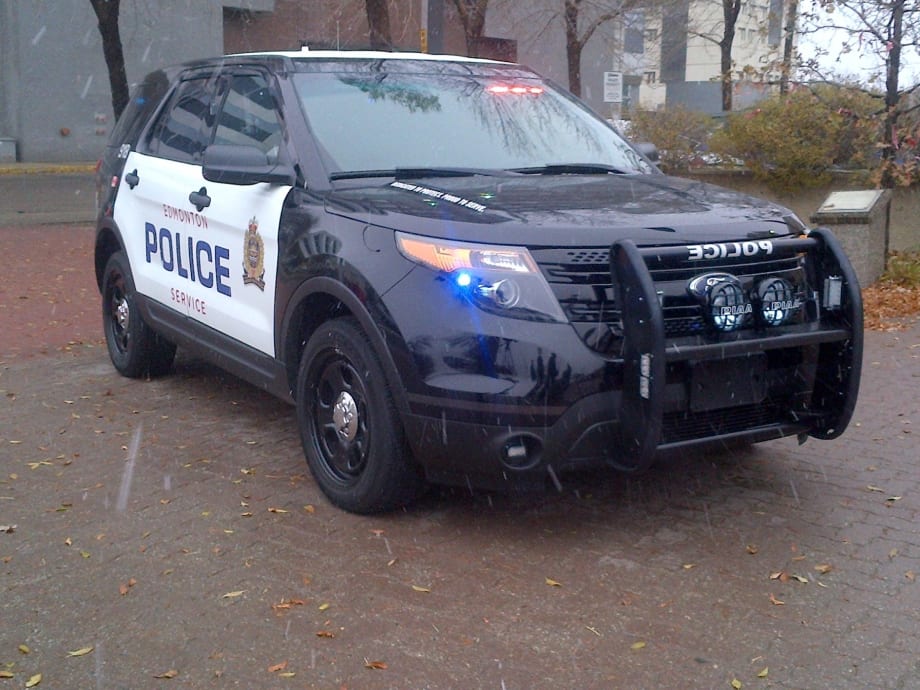
Edmonton's Explorer Police Interceptor Utility vehicle. Photo by Noreen Remtulla.
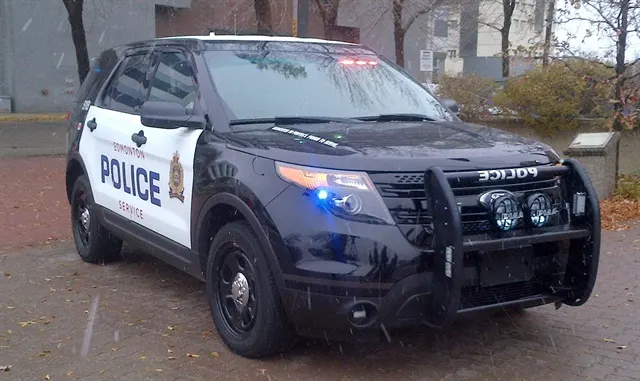
Edmonton's Explorer Police Interceptor Utility vehicle. Photo by Noreen Remtulla.
EDMONTON, ALBERTA - The Edmonton Police Service (EPS) has been test driving new police vehicles in search of a suitable replacement for the Ford Crown Victoria Police Inceptor vehicle. The Police Service expects to have 10 Explorer Police Interceptor Utility vehicles and 20 Taurus-based Police Interceptor sedans integrated into patrol operations by the end of 2012 for testing, according to a release from the EPS.
The new Fords are equipped with a number of features that will be new to the EPS fleet, such as back-up sensors, traction control, and a low frequency siren.
The ultrasonic reverse sensors activate when the vehicle is backing up towards a detectable obstacle. These two Fords are all-wheel drive. These two new vehicles also have better traction control than the Crown Victorias, which will perform better in Edmonton’s winter driving conditions, according to the release.
An equipped low frequency siren with will alerts drivers as a police vehicle is approaching. This special siren carries a longer and louder sound that can penetrate through vehicles, even when their car sound system is turned on. This siren will be used for police procedures, such as clearing traffic.
“Police cars have a life span of about five years,” said Const. Scott Anthony with the Training Unit. “The average age of the fleet is just over 2 years so many of our Crown Vics will be phasing out in the next few years.”
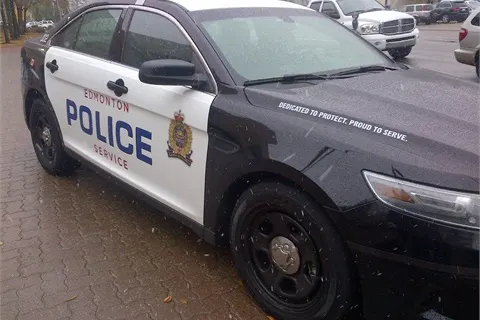
Edmonton's Ford Police Interceptor sedan. Photo by Noreen Remtulla.
In July 2011, the EPS began testing 10 Dodge Chargers. Noreen Remtulla, spokesperson for the EPS, stated in an e-mail that the Chargers will remain in the fleet and "we will continue to receive feedback [about] both the Charger and the new Fords from front line members."
The EPS operates approximately 300 marked patrol vehicles, and nearly all the marked sedans are Crown Victorias, according to Remtulla.
Updated with photos and additional comments 10/15/12 at 2:10pm
More Operations

ENC Unveils its ZAVIR Medium-Duty Shuttle
Two variants of the concept shuttles were revealed: a low-floor configuration and a high-floor configuration.
Read More →
Could Your Next Fleet Technician Start as an Intern?
What if your next technician hasn’t worked in a fleet shop yet? What fleets are doing to free up time.
Read More →
How Phoenix Is Building Its Next Generation of Fleet Technicians
With more than 8,000 vehicles and pieces of equipment to maintain, the City of Phoenix could not afford to wait for fully trained technicians to walk through the door. Instead, they revamped their entire workforce strategy and showed how public fleets can create their own talent pipeline while preparing existing employees for increasingly complex vehicles.
Read More →
What’s Slowing Your Fleet Down?
Could a change in how work gets done help your fleet return vehicles to service sooner?
Read More →
Can Public Fleets Trust the Data Driving Their Decisions?
Public fleets have more data than ever, but inconsistent records and missing information can still undermine maintenance, replacement, and cost decisions.
Read More →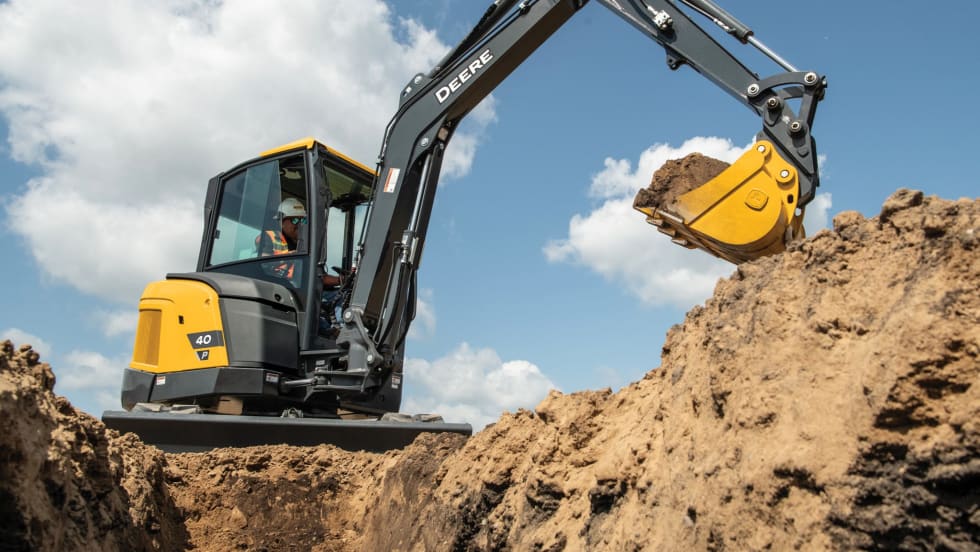
John Deere Introduces 40 P-Tier Compact Excavator
John Deere is adding a compact excavator designed for crews that need to move equipment between jobsites and handle multiple types of work with one machine. The 40 P-Tier weighs less than 10,000 pounds and offers configurable hydraulics, attachment options, and connected fleet-management capabilities.
Read More →
How Leading Fleets Improve and Why Business Plans Matter
This week, we look at what past Leading Fleet winners can teach us about making progress, plus how to build a business plan your fleet will actually use.
Read More →
Nominate a Fleet Leader for the 2027 Public Fleet Hall of Fame
Do you know a fleet leader who has made a lasting impact on the industry? Nominate this fleet professional for the 2027 Public Fleet Hall of Fame.
Read More →
Why Fleet Business Plans Need Three Perspectives
A fleet business plan should help agency leaders understand the fleet’s value, give the organization a clear direction, and establish shared expectations with customer departments.
Read More →
How Oil Analysis, Safety Technology, and Fleet Awards Drive Improvement
What happens when fleets let measured results guide their next decision?
Read More →