





Want to know where GFX will be next year? Find out HERE
Driving Forward: Collaboration, Clarity, and Reflection Mark GFX Day 3
Day 3 of GFX 2025 brought the core program to a close with hands-on collaboration, operational clarity, and forward-looking conversations that carried into the evening.
June 27, 2025
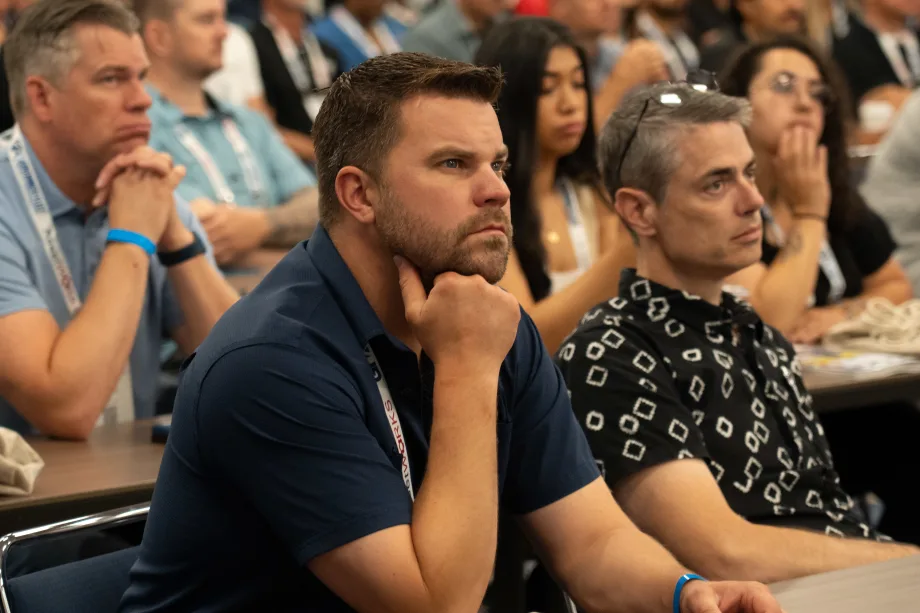
Mid-morning and early afternoon sessions drilled into some of the most practical issues facing fleet operations today.
Photo: Ross Stewart Photography
3 min to read
Day 3 at GFX 2025 began with a focus on shared knowledge and collaboration, kicking off withi the Big Solutions Roundtable giving fleet managers a closed-door space to exchange challenges, insights, and tactics in an interactive format.
Bringing together a mix of fleet professionals, the roundtable discussion moved across topics like EV deployment,safety, telematics, operational staffing, and more, offering a unique opportunity for attendees to collaborate without filters, trade notes, and identify what’s working across the country.
That spirit of collaboration continued with a panel discussion featuring judges from the Leading Fleets program. The morning session allowed fleets to get a more in-depth look at what goes into the judging process and how oeprations can better prepare for the 2026 Leading Fleets application.
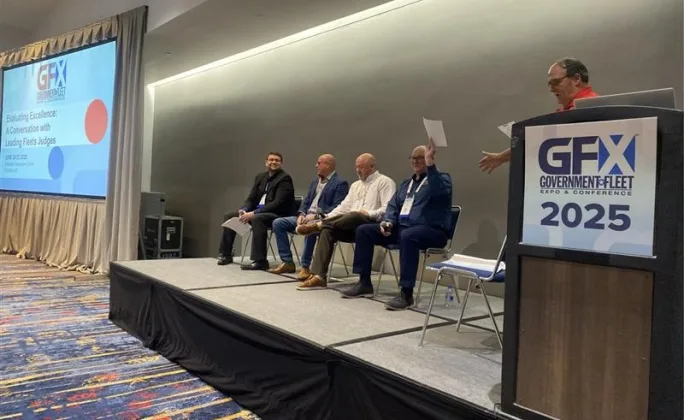
A panel discussion featuring judges from the Leading Fleets program allowed fleets to get a more in-depth look at what goes into the judging process and how oeprations can better prepare for the 2026 Leading Fleets application.
Photo: Government Fleet
Judges shared their own operations' journies moving up the ranks and how they have used their Leading Fleets success to showcase accomplishments. Fleets were also encouraged to use the application as a way to gauge operational improvements and better understand strengths and weaknesses.
Real-World Problems, Tactical Solutions
Mid-morning and early afternoon sessions drilled into some of the most practical issues facing fleet operations today. Topics ranged from distracted driving prevention and team structure optimization to fleet marketing and workload management, the latter drawing attention on how to effectively communicate the value of operations to upper management and elected officials to enhance support and drive success.
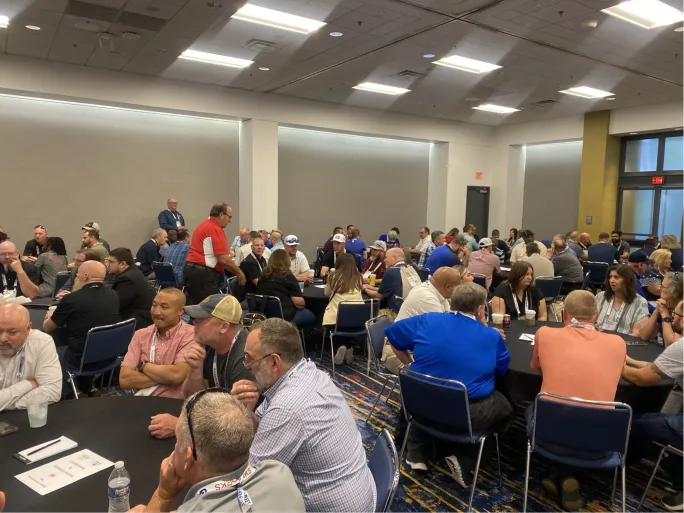
Day 3 at GFX 2025 began with a focus on shared knowledge and collaboration, kicking off withi the Big Solutions Roundtable
Photo: Government Fleet
Attendees heard from fleets leaders from various parts of the country, from California to Texas to Maryland, as well as experts in specific fields, including tire expert T.J. Tennent, who unpacked considerations specific to hybrid, electric, and combustion vehicles. His session focused on tire selection, lifecycle management, and regulatory awareness—underscoring how a seemingly simple spec decision can carry both financial and safety implications across a fleet.
Technology, Communication, and the Role of Data
Technology’s evolving role in fleet operations remained a core thread throughout the day. A session on blended connectivity introduced attendees to how satellite-based communications can bolster fleet uptime in remote or infrastructure-poor areas. Meanwhile, a public safety-focused talk emphasized how tech-enabled emergency response tools can accelerate readiness while improving operational oversight.
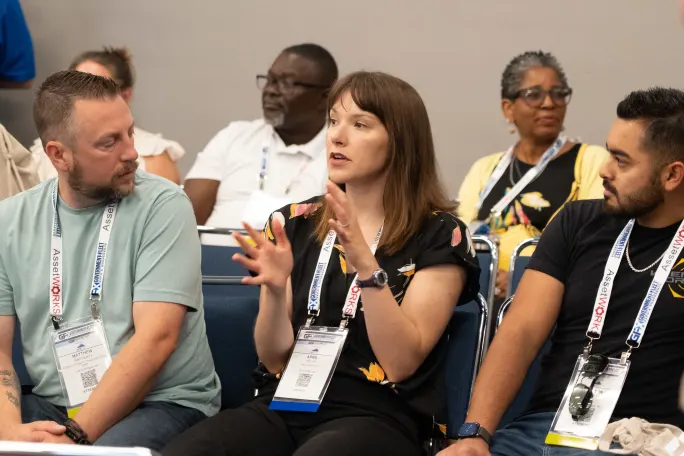
Day 3 of GFX 2025 brought the core program to a close with hands-on collaboration, operational clarity, and forward-looking conversations that carried into the evening.
Photo: Ross Stewart Photography
The afternoon turned its attention to data as a storytelling and relationship-building tool. In FleetStat: Data-Driven Partnerships, Baltimore’s fleet team presented their agency-facing meeting model—a structured, recurring platform that has increased accountability, transparency, and trust between the fleet department and its largest internal customers.
The program served as an example of how data, when contextualized and shared intentionally, can become a powerful tool for service alignment.
Managing Risk and Strengthening Connections
Other sessions offered guidance on areas that often operate in the background but carry significant risk. A well-attended talk on tag and title compliance addressed the complexities of multi-jurisdiction registration, emphasizing standardized checklists, automation tools, and audit-proof documentation as keys to reducing downtime and legal exposure.
The day’s final Police Fleet Conference session focused on bridging the often-tense relationship between emergency responders and fleet departments. Speaker Paul Mazzeo drew from decades of experience on both sides of the conversation to highlight where communication often breaks down, and how shared understanding and early engagement can reshape working relationships.
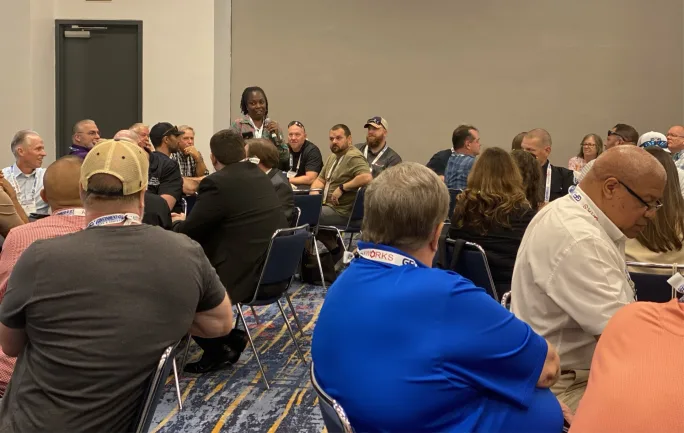
The Roundtable discussion allowed attendees to collaborate on industry challenges and share their solutions.
Photo: Government Fleet
Attendees walked away with clear steps for improving collaboration between frontline users and the teams that keep their vehicles running.
A Farewell With Momentum
GFX 2025 closed with a final networking hour, complete with raffle prizes and a sendoff that encouraged continued connection beyond the event. As attendees gathered one last time, the message wasn’t just about chasing change but how shared insight, clear goals, and stronger connections can help public sector fleets move forward with purpose.
We'll see you in 2026!
More Operations
Who Deserves Fleet Recognition and What Could You Teach at GFX?
Who helped shape your fleet career, and what have you learned that could help someone else?
Read More →
What’s Haunting Public Sector Fleets?
Public sector fleet challenges rarely happen in isolation, and addressing one often means understanding how it connects to another.
Read More →
Is Keeping Older Fleet Vehicles Really Saving Money?
Is keeping vehicles longer saving money, and what happens when a diagnostic test points to the wrong fix?
Read More →
How Smart Fleet Strategy Can Help Local Government Agencies Do More with Less
Keeping a vehicle longer may ease this year’s budget, but what does it cost the next one? A closer look at fleet decisions can reveal opportunities to reduce spending while protecting essential services.
Read More →
Connect with Government Fleet on LinkedIn
From industry news and fleet management strategies to conversations with peers, Government Fleet's LinkedIn page offers public-sector fleet professionals another way to stay informed and connected.
Read More →
Town of Queen Creek Named Most Successful Fleet Award Winner of Inaugural RTA Fleet Success Awards
Five fleets were honored at RTA Connect 2026 in Chicago for excellence across resource efficiency, intentional culture, risk management, and stakeholder satisfaction.
Read More →
Sponsored•October 14, 2026
A buyer's guide to fleet management software in 2027
Buying fleet management software in 2027 means looking beyond features and price. As fleet operations, technology and expectations evolve, this guide explores what today’s fleet professionals should consider when choosing a system that can deliver value now and adapt to what comes next.
Read More →
Hazard Alerts, Fleet Car Sales Rise and a New Shuttle Concept
Fleet car sales doubled, but the bigger picture tells a different story in this week’s roundup.
Read More →
How St. Johns County Turned Fleet Data Into Better Replacement Decisions
St. Johns County, Florida, had fleet data, but turning it into reliable decision guidance was another matter. Instead of starting over with a new fleet management system, the county connected existing tools and built a scoring system that gives managers an objective look at fleet health.
Read More →
Fleet Forward Conference Introduces One-Day Passes for 2026
New one-day registration lets fleet professionals attend Tuesday, Wednesday, or Thursday, with passes available for $249.
Read More →