




Class 5 Youngest, Fastest Growing Truck Segment
The average age of commercial truck fleets is shifting, and Class 5 trucks now make up the youngest commercial trucks on the road in a segment that's one of the fastest growing, sources told Work Truck magazine.


Photo of the Class 5 Hino 195 cabover with a stake body courtesy of Hino.

Photo of the Class 5 Hino 195 cabover with a stake body courtesy of Hino.
The average age of commercial truck fleets is shifting, and Class 5 trucks now make up the youngest commercial trucks on the road in a segment that's one of the fastest growing, sources told Work Truck magazine.
Demand for Class 5 commercial trucks is peaking, according to Gary Meteer, director of global commercial vehicle products at IHS Automotive.
"With the overall market recovery, Class 5 straight trucks and chassis cabs have been in high demand for modifications and use in the wholesale, retail, and service industries,” Meteer said earlier this month in a presentation to aftermarket executives. “In the current calendar year, the demand for Class 5 vehicles is at record levels.”
The commercial truck market has recovered substantially since the economic downturn of 2008-2009. There are now more than 7.7 million commercial trucks on the road in the U.S. covering Classes 4-8.
Class 5 vehicles now have an average lifecycle of 11.9 years, compared with 14.7 years for the overall truck market of Class 4-8 trucks. Class 6 trucks are now the oldest on the road with an average lifecycle of 20.9 years.
Class 5 is the fastest growing segment among the truck classes. In 2007, fleets registered 45,000 Class 5 trucks. By 2013, that number climbed to 60,000, according to Steve Tam, vice president of the commercial vehicle sector for ACT Research.
Medium-duty truck customers have embraced the lightweighting trend, and earlier Class 6 customers have moved down to Class 5. Fleets are realizing savings from a lower upfront cost, less fuel used, as well as lower taxes, insurance, and license fees.
"They realized they had way too much capacity for their work," Tam said about Class 6 buyers moving down. "If you do a better job of spec'ing the truck to the work, you have the opportunity to save some money."
Additionally, product offerings in Class 4 have slimmed down in recent years, including Hino's decision to cease producing a conventional Class 4 truck following the 2010 model-year. Class 4 buyers have been moving up to Class 5, Tam said.
By Paul Clinton
Related:
More Operations

A buyer's guide to fleet management software in 2027
Buying fleet management software in 2027 means looking beyond features and price. As fleet operations, technology and expectations evolve, this guide explores what today’s fleet professionals should consider when choosing a system that can deliver value now and adapt to what comes next.
Read More →
Hazard Alerts, Fleet Car Sales Rise and a New Shuttle Concept
Fleet car sales doubled, but the bigger picture tells a different story in this week’s roundup.
Read More →
How St. Johns County Turned Fleet Data Into Better Replacement Decisions
St. Johns County, Florida, had fleet data, but turning it into reliable decision guidance was another matter. Instead of starting over with a new fleet management system, the county connected existing tools and built a scoring system that gives managers an objective look at fleet health.
Read More →
Fleet Forward Conference Introduces One-Day Passes for 2026
New one-day registration lets fleet professionals attend Tuesday, Wednesday, or Thursday, with passes available for $249.
Read More →
ENC Unveils its ZAVIR Medium-Duty Shuttle
Two variants of the concept shuttles were revealed: a low-floor configuration and a high-floor configuration.
Read More →
Could Your Next Fleet Technician Start as an Intern?
What if your next technician hasn’t worked in a fleet shop yet? What fleets are doing to free up time.
Read More →
How Phoenix Is Building Its Next Generation of Fleet Technicians
With more than 8,000 vehicles and pieces of equipment to maintain, the City of Phoenix could not afford to wait for fully trained technicians to walk through the door. Instead, they revamped their entire workforce strategy and showed how public fleets can create their own talent pipeline while preparing existing employees for increasingly complex vehicles.
Read More →
What’s Slowing Your Fleet Down?
Could a change in how work gets done help your fleet return vehicles to service sooner?
Read More →
Can Public Fleets Trust the Data Driving Their Decisions?
Public fleets have more data than ever, but inconsistent records and missing information can still undermine maintenance, replacement, and cost decisions.
Read More →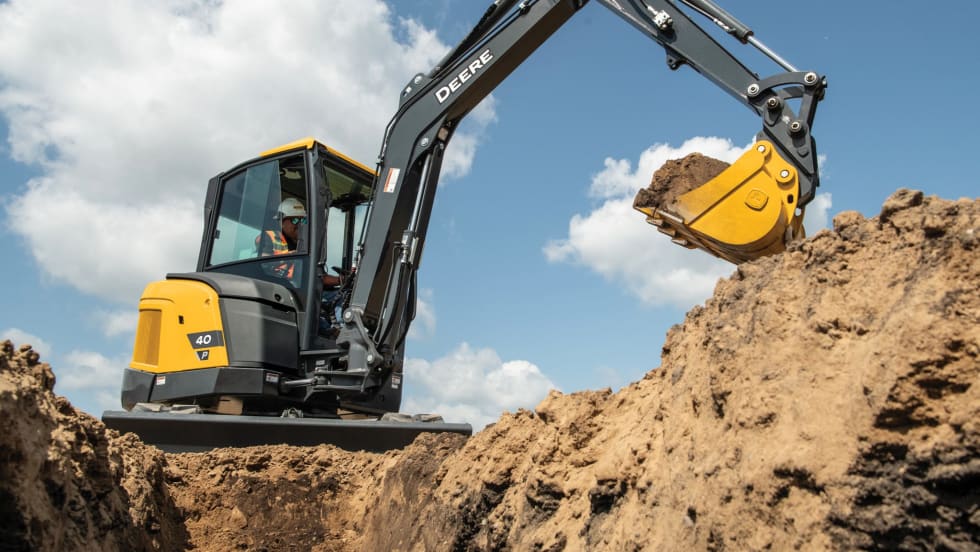
John Deere Introduces 40 P-Tier Compact Excavator
John Deere is adding a compact excavator designed for crews that need to move equipment between jobsites and handle multiple types of work with one machine. The 40 P-Tier weighs less than 10,000 pounds and offers configurable hydraulics, attachment options, and connected fleet-management capabilities.
Read More →