




City of Newton Reduces Fleet
NEWTON, MA - City of Newton, Mass., Mayor Setti Warren is looking to reduce the number of taxpayer-funded cars, a promise he made during his mayoral campaign.
NEWTON, MA - City of Newton, Mass., Mayor Setti Warren is looking to reduce the number of taxpayer-funded cars starting January 1, a promise he made during his mayoral campaign, according to the Newton TAB.
The city currently has 63 cars in its fleet approved for travel home with city workers. Of those 63 vehicles, nine of their drivers have already been informed that they will no longer be authorized to use a city vehicle to drive home.
Chief Operating Officer Robert Rooney said on average, per year, taxpayers pay about $50,000 for the fuel and maintenance of those 63 take-home vehicles.
Twenty of those will remain authorized to take home, regardless of contract negotiations. Another 34 will be eliminated subject to collective bargaining, said Rooney.
Already, the city has saved $45,000 after eliminating two vehicles, according to the news source.
The rest of the fleet is a 350-vehicle mixture of bucket trucks, dump trucks, utility vehicles, vans and police cruisers used within the city, said Rooney.
According to Ron Mahan, superintendent of equipment, citywide, with exception of the Fire Department, the budget for the entire fleet maintenance is roughly $1.8 million.
Gas for all vehicles per year, including take-home cars and regular city maintenance vehicles, is $443,941 for regular gasoline and $311,675 for diesel, depending on weather, according to Mahan.
Mahan said eliminating the take-home fleet wouldn't make a noticeable difference in the city budget.
More Maintenance

Freeing Technicians for Higher-Priority Repairs
Could paid interns help public fleets free up experienced technicians for more complex repairs?
Read More →
Stay ready, set and safer with verified fleet inspections
When fleet inspections aren’t verifiable, missed defects can quickly become downtime, safety risks, and service delays. This white paper shows government and municipal fleet leaders how digital inspections can improve accountability, catch issues earlier, and keep vehicles ready when they’re needed most.
Read More →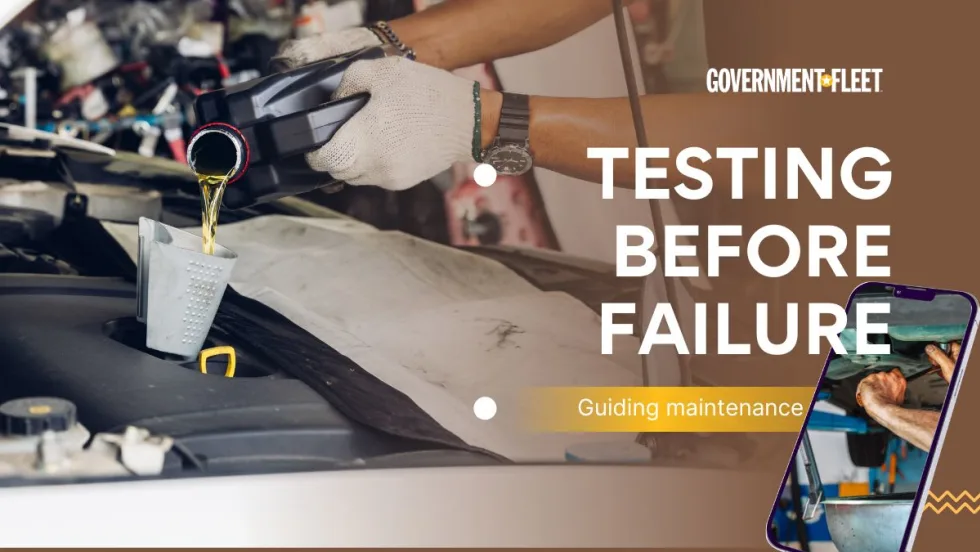
Using Oil Analysis to Help with Engine Losses
How a Texas city changed its lubrication practices and began tailoring preventive maintenance intervals after test results showed oil degradation and fuel dilution.
Read More →
Hidden in Plain Sight: Fleet Compliance Risks
Fleet compliance isn't just about having policies — it's about consistently enforcing them. This practical guide reveals six hidden compliance risks common in public sector and shared fleet operations and outlines proven strategies to improve visibility, accountability, and audit readiness.
Read More →
Is Your Fleet Garage Holding Back Your Operation? | The Fleet Breakroom
Norman Barrientos of Barrientos Design & Consulting explains how agencies can use operational data to show decision-makers why a replacement or major renovation is needed.
Read More →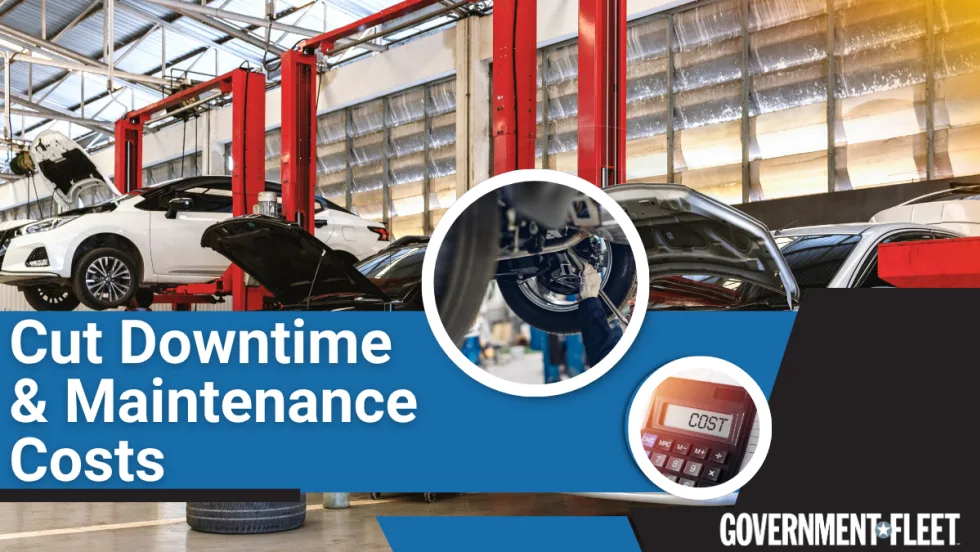
Reducing Long-Term Maintenance Costs and Downtime
Downtime is rarely caused by a single surprise failure but rather by an issue that builds over time through setbacks ranging from deferred maintenance to poor replacement planning. So what's the fix?
Read More →
The Future of Government Fleet Technicians with Mike Cleary
Insight on preparing for hybrid and electric vehicle service, what fleets need to know about recruiting technicians in a competitive market, and how to make the most of limited training budgets.
Read More →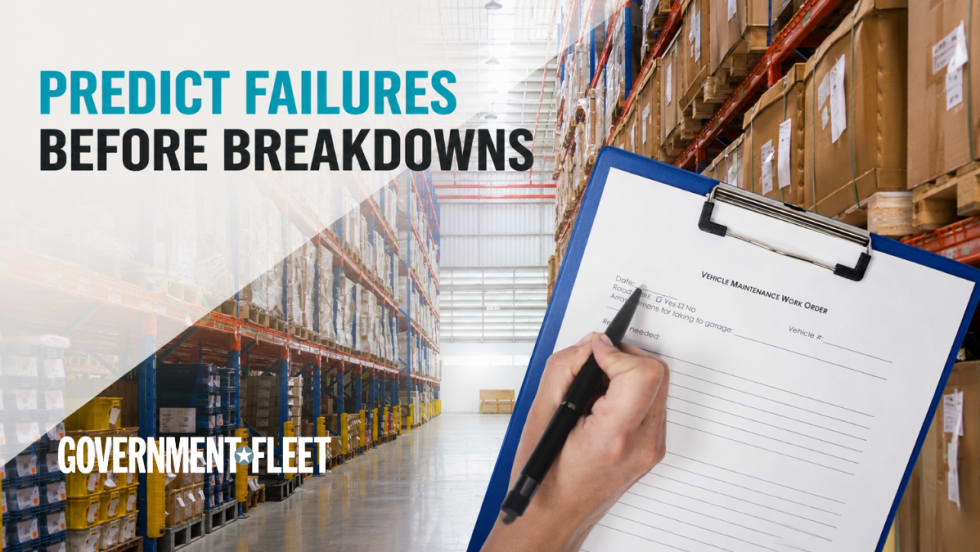
Work Orders Are More Than Records. They're a Roadmap to Fleet Availability
What if your work orders could predict failures, uncover hidden costs, and boost fleet availability? Here's how leading fleets are using the data.
Read More →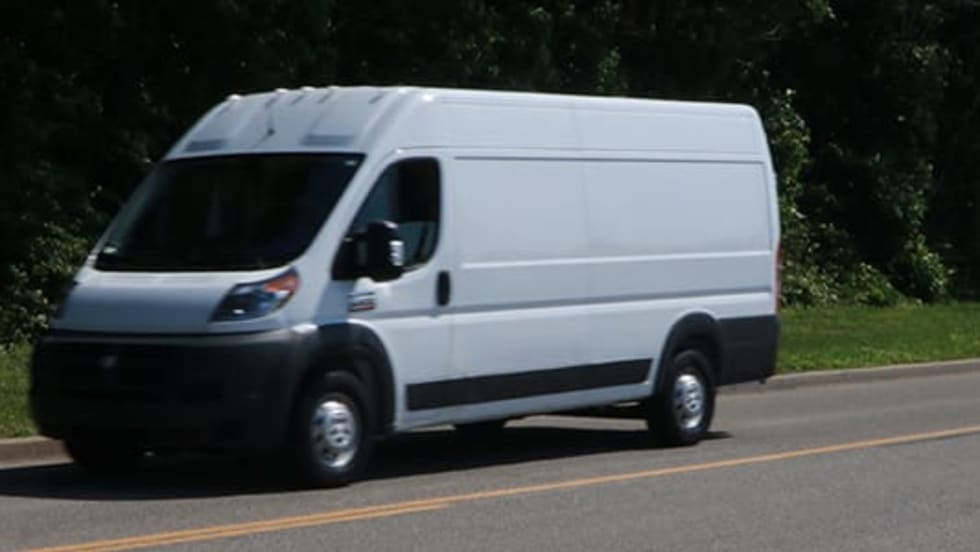
Drive More Profit with Greater Fleet Uptime
Fleet downtime costs money. JASPER helps keep vehicles on the road with quality remanufactured components, fast nationwide delivery, and reliable solutions that boost uptime and profitability.
Read More →
Smart Seasonal Maintenance Tips for Government Fleets
Government fleets carry extra weight, and routes, schedules, and public trust depend on reliability. A systematic spring checklist keeps vehicles in service when agencies need them most.
Read More →