





Signal Preemption in Fleet: Prioritizing Snow Plows
City in California Partners with LYT for Vehicle Preemption Pilot
The pilot rollout aims to improve emergency vehicle safety and travel times for first responders in Elk Grove traveling to local emergency facilities by intelligently adjusting traffic lights to clear traffic along their path.
April 16, 2024

The pilot in Elk Grove will initially be launched for 43 traffic signals, including two pedestrian crossings, where emergency vehicles will receive preemption.
Photo: City of Elk Grove/Canva
2 min to read
LYT has signed a new agreement with the City of Elk Grove, California, for a pilot of LYT.emergency, the company’s emergency vehicle preemption (EVP) solution.
The pilot will initially be launched for 43 traffic signals, including two pedestrian crossings, along Laguna Boulevard, Bond Road, and Elk Grove Boulevard where emergency vehicles will receive preemption, according to a news release.
Clearing Traffic to Improve Response Times
This pilot rollout aims to improve emergency vehicle safety and travel times for first responders traveling to local emergency facilities by intelligently adjusting traffic lights to clear traffic along their path.
Accidents involving emergency vehicles — including fire trucks, ambulances, and police cars — are a major problem in the United States.
According to data published by the National Library of Medicine, vehicle fatality rates for emergency responders are estimated to be up to 4.8 times higher than the national average because emergency vehicles travel at higher speeds to reach crisis situations.
LYT’s NextGen emergency preemption solution enables traffic signals to adjust — based on real-time congestion — traffic in advance of approaching emergency vehicles.
Emergency vehicles will now be able to communicate directly with LYT’s EVP solution, enabling public safety fleets to deploy preemption capabilities in any vehicle, making emergency response and roadways safer throughout the Elk Grove region.
Signal preemption is similar to signal priority technology in that it's meant to prioritize certain vehicles. However, as a study out of Brigham Young University points out, when a vehicle like a transit bus requests signal priority, it requests the the signal controller to change to benefit them.
But since the request is only priority, depending on the phase the signal is on, the signal controller can choose if it will grant the priority, based on a number of factors. The signal controller is not required to always grant the request, so the request is only honored a portion of the time.
With signal preemption, when a vehicle sends a signal request message to the signal controller, the controller logic begins the safe process of adjusting the signal phasing to grant the preemption, Government Fleet has previously reported.
"Reliable and effective emergency vehicle preemption technology is essential in ensuring the safety and well-being of the entire Elk Grove community,” LYT CEO and Founder Tim Menard said. “In emergency situations, where every second counts, return to office and population growth stresses community roads. The need to implement and maintain reliable preemption technology is paramount. It's not just about facilitating quicker response times for our emergency responders; it's about saving lives and prioritizing the safety and security of local residents."
More Software
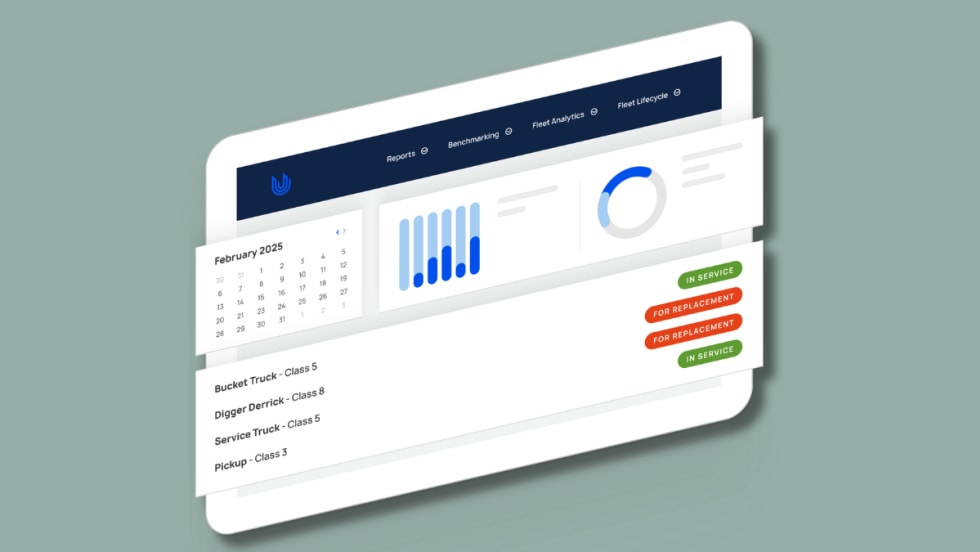
Utilimarc Introduces Vehicle Replacement Planning Tool
Replacing fleet vehicles often involves balancing budgets, maintenance costs, and operational needs. Utilimarc's new planning tool is designed to help fleet managers evaluate replacement priorities using existing fleet data.
Read More →
Samsara Introduces New Brand Identity
The company behind one of the fleet industry's largest connected operations platforms has unveiled a new look. The updated branding reflects Samsara's growing emphasis on AI-driven tools and digital fleet management.
Read More →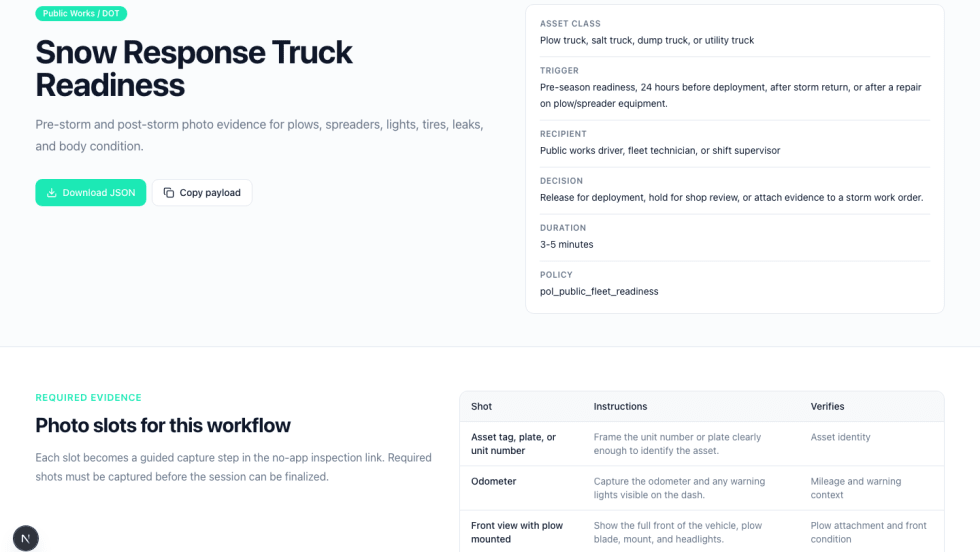
Switch Labs Launches VerifyAI Readiness Kit for Public Fleets
Fleet inspections often rely on paper forms, inconsistent documentation, or manual photo collection. A new toolkit from Switch Labs is designed to give public agencies a more structured way to verify vehicle readiness and track condition over time.
Read More →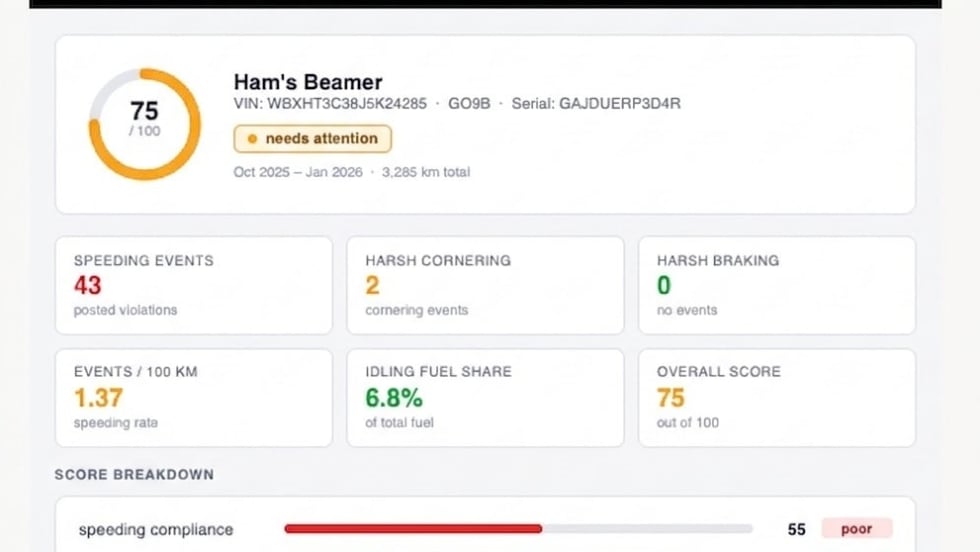
Geotab Launches AI Connector for Fleets
New Geotab MCP Connector enables organizations to securely access live fleet data, automate workflows and take action from within the AI platforms they already use.
Read More →
Ford Adds AI Fleet Assistant to Ford Pro Telematics Platform
AI-driven insights allow fleet managers to query vehicle data, track performance trends, and identify maintenance needs across connected fleets.
Read More →
Report Finds 53.3% of Fleets Researching or Piloting AI Capabilities
New benchmark data highlights the cost pressures, maintenance delays, and workforce constraints shaping fleet operations in 2026.
Read More →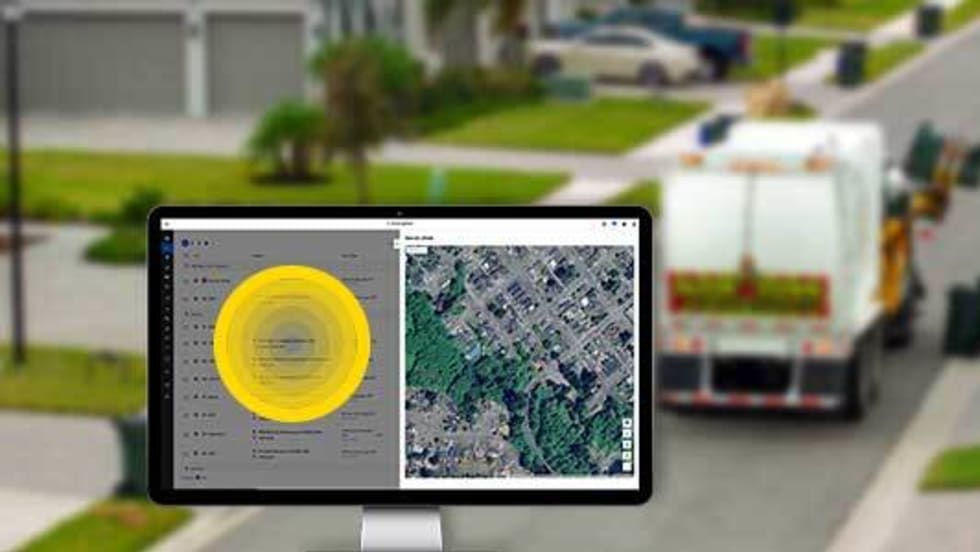
3 Ways Fleet Tech Builds Public Trust
Managing a state or local fleet comes with levels of accountability private companies don’t have. Read how modern fleet technology helps elevate visibility and safety to strengthen community trust.
Read More →
Geotab Expands Sourcewell Contract Adding Video Telematics, Asset Tracking, Data Analytics Solutions for Public Sector
Geotab has expanded its cooperative purchasing contracts with Sourcewell to include additional telematics and data solutions for public sector fleets.
Read More →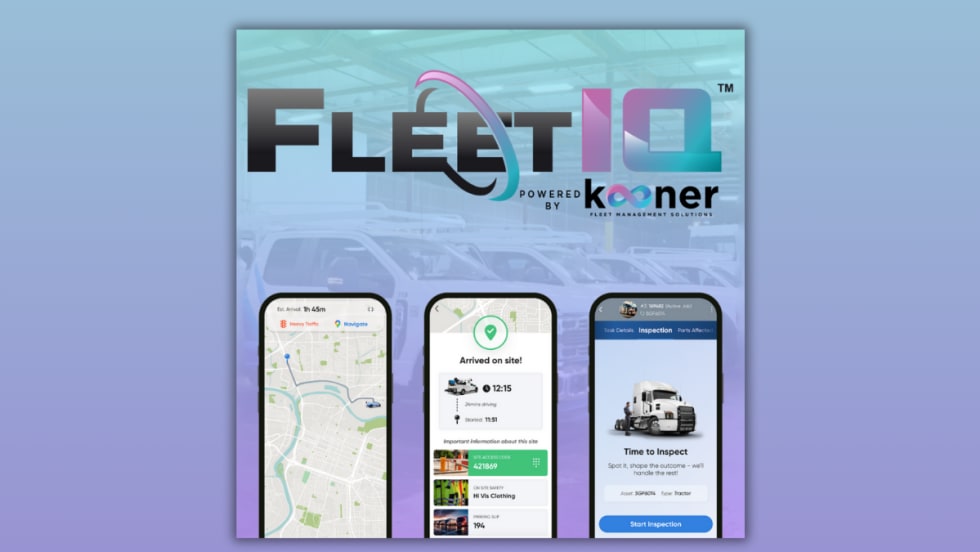
Kooner Fleet Management Launches FleetIQ, A Next-Generation Fleet Maintenance Tech Platform
Kooner Fleet Management Solutions has launched FleetIQ, a new platform that uses predictive analytics and automation to improve fleet uptime, streamline service operations, and support data-driven decision-making.
Read More →
Streamlined Maintenance and Repair Options Now Available for Canadian Fleets
Fleetio expands its Maintenance Shop Network into Canada, giving fleets access to verified repair shops, real-time tracking, and automated approvals.
Read More →