




CARB Okays Diesel Hybrid Buses for Diesel Path
SAN FRANCISCO — The California Air Resources Board (CARB) conditionally approved the use of diesel hybrid-electric buses (HEBs) for use by some transit agencies in California on June 24, according to The San Francisco Chronicle.
SAN FRANCISCO — The California Air Resources Board (CARB) conditionally approved the use of diesel hybrid-electric buses (HEBs) for use by some transit agencies in California on June 24, according to The San Francisco Chronicle. According to CARB sources, the Board approved the purchase of diesel HEBs only for transit properties on the diesel path. A temporary waiver through 2006 allows the purchase of these buses as long as the drive train, after application of a .75 factor (25-percent offset) for hybrid technology to the emissions of the selected diesel engine, meets the current applicable standard. After 2006, the drive train will have to be certified, and the board did not decide what that standard would be. That will most likely be pushed off until next spring. The decision won praise from Municipal Railway (MUNI) chief Michael Burns, who deemed it terrific news. "This is the next step for us in reaching zero emissions by 2020," said Burns, who added that the San Francisco transit system would start moving ahead to request bids from engine manufacturers. Under Proposition I — passed in March by more than two-thirds of San Francisco voters — Muni must replace by 2007 its pre-1991 diesel buses, which number around 150 of the 540 vehicles in the diesel fleet. The air board's decision "means that Muni can implement the will of San Francisco voters and replace its dirty diesel buses without delay," said Linda Weiner, a campaign director at the American Lung Association. Diesel exhaust is a major source of particulate pollution that can trigger respiratory and heart problems. The bus uses an electric engine and an electric drive system, paired with a diesel engine smaller and cleaner than the one in a conventional bus, using less fuel and emitting less nitrogen oxides, particulate matter and hydrocarbons. Burns has been holding out for the diesel-electric bus, while rejecting the natural gas buses preferred by the coalition of environmental groups that put Prop. I, or the Healthy Air Enforcement Act of 2004 on the ballot.
More Operations
How Oil Analysis, Safety Technology, and Fleet Awards Drive Improvement
What happens when fleets let measured results guide their next decision?
Read More →
Emergency Response, Fleet Sales and New Technology
This week’s fleet news covers emergency preparedness, shifting vehicle sales, electric truck investments, and new tools for monitoring road conditions.
Read More →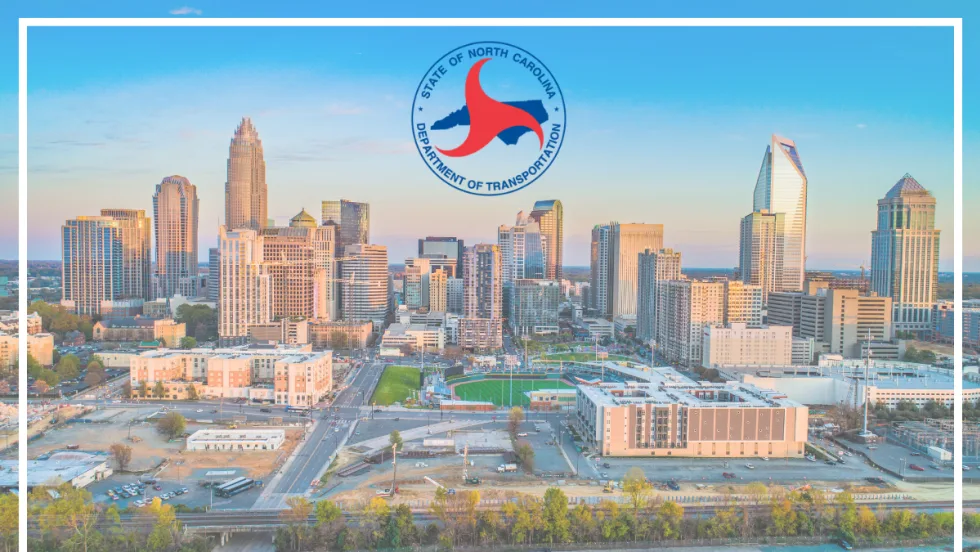
NCDOT Adds Dash Cam Imagery to Statewide Traffic Monitoring
North Carolina transportation officials are adding another set of eyes to roads that aren't covered by fixed traffic cameras. A statewide deployment gives NCDOT access to on-vehicle imagery to verify conditions during work zones, severe weather, emergencies, and other traffic events.
Read More →
Turning a Bottleneck Into a Blueprint: How Tallahassee Rethought Police Fleet Readiness
For Tallahassee, finally receiving 87 delayed police cruisers created a new problem: how to get them on the road without creating a massive backlog. The solution would change more than the upfit process.
Read More →
AI, Police Fleet Readiness and Fire Apparatus News
See how AI, a reworked police-vehicle upfitting process, and a fire apparatus acquisition could affect public fleet operations.
Read More →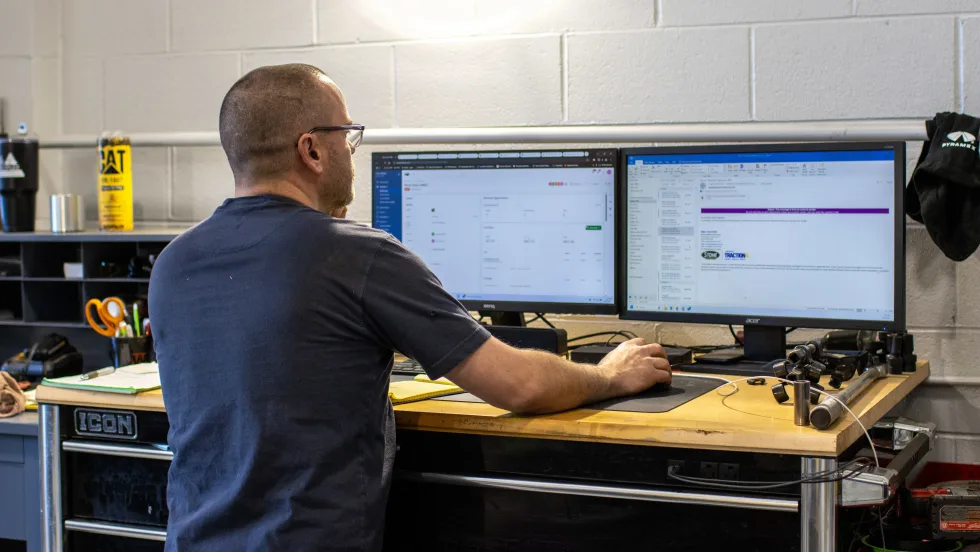
How AI and Automation Work Together to Reduce Government Fleet Downtime
As their assets age and their budgets’ purchasing power shrinks, government fleet managers are facing growing pressure to do more with less.
Read More →
Police Fleet Innovation, EV Strategy and AI
See how public fleets are rethinking police vehicle readiness, electrification, workplace culture, and driver workflows.
Read More →
From What He Inherited to What He’ll Leave Behind: David Renschler’s Lessons in Leadership
David Renschler walked into Fairfield with plenty to learn and no idea what awaited him. Twenty years later, the lessons from what came next are still shaping his approach to fleet.
Read More →
Have Fleets Changed Enough to Solve the Technician Shortage?
Are government fleets finally closing the gap on the technician shortage, or are critical challenges still holding them back?
Read More →
How Public Fleets Are Rethinking Vehicles, EVs, and Culture
From mission-specific vehicles to EV planning and culture change, this week’s stories show how public fleets are rethinking the way they operate.
Read More →