




Cape Coral Fleet Review Recommends Creation of Fleet Administrator Position
The review, conducted by major end users and the respective labor units at the City of Cape Coral, Fla., also recommended various short- and long-term objectives for fleet management to improve efficiency.
A review of the City of Cape Coral, Fla., Fleet Management Services (FMS) recommended the City hire a fleet administrator to turn around fleet management. Completed December 2012 by stakeholders including major end users and the respective labor unions, the review also recommended various short- and long-term objectives for FMS to improve efficiency and achieve a 100 Best Fleets designation.
The review commended fleet staff on being “dedicated and knowledgeable fleet professionals who understand the importance of their individual role in optimizing the mobility and, therefore, the City’s productivity.” At the same time, the review stated that there was a lack of trust in the entire organization, long-tenured employees reported an erosion in fleet processes, and fleet was considered a “forgotten entity into which the City had reinvested little, if anything, during the past two or three years.”
Short term objectives (90-120 days) outlined in the review include setting benchmarks via the FASTER fleet management system, considering a staffing change, evaluating overall age and condition of the fleet and auctioning older vehicles, and creating customer surveys. Mid-term objectives (about a year away) include completing in-house operational best practices, exploring consolidation of shops, and reevaluating a vehicle replacement plan. Long-term objectives (several years away) include evaluating department vehicle use, conducting an effectiveness study, considering a “green” fleet program, and applying for and obtaining a 100 Best Fleets ranking, as FMS had in 2005.
Short-term objectives are already actively being pursued, according to the report.
The committee recommended that with the purchase of automated software including a new fuel management system from Guardian Fueling systems, a vacant fuel management coordinator and also vacant fleet tech II position can remain unfilled. Future salary savings from these two positions can allow for the creation of the fleet administrator position. The administrator should have experience in administering similar sized fleet operations and have CAFM (Certified Automotive Fleet Manager) or CPFP (Certified Public Fleet Professional) designation, the committee recommended. The fleet administrator would supervise the incumbent fleet superintendent and fleet supervisor, among a staff of 20. The review recommends Human Resources to provide a comprehensive job description for this position by Jan. 28, with the goal of identifying a successful candidate by April 29.
By Thi Dao
More Maintenance

Freeing Technicians for Higher-Priority Repairs
Could paid interns help public fleets free up experienced technicians for more complex repairs?
Read More →
Stay ready, set and safer with verified fleet inspections
When fleet inspections aren’t verifiable, missed defects can quickly become downtime, safety risks, and service delays. This white paper shows government and municipal fleet leaders how digital inspections can improve accountability, catch issues earlier, and keep vehicles ready when they’re needed most.
Read More →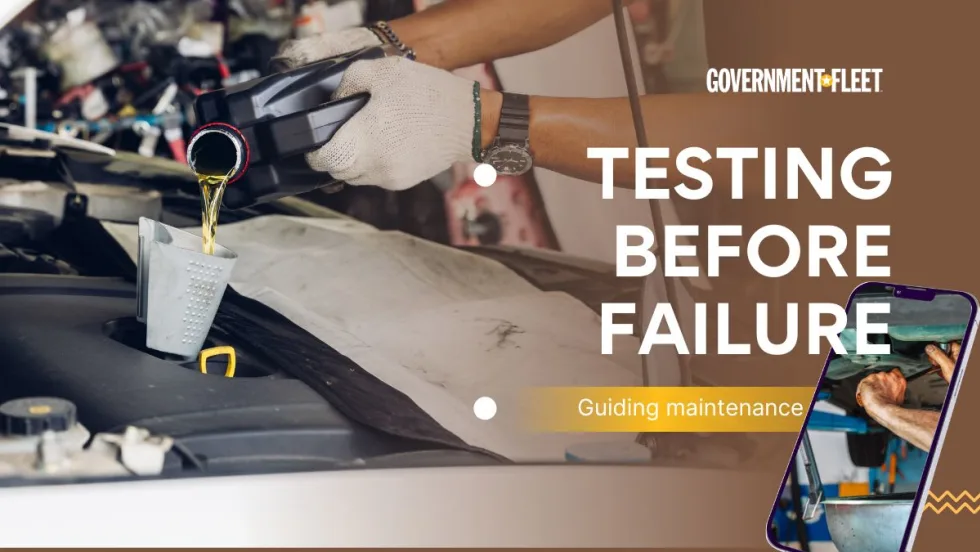
Using Oil Analysis to Help with Engine Losses
How a Texas city changed its lubrication practices and began tailoring preventive maintenance intervals after test results showed oil degradation and fuel dilution.
Read More →
Hidden in Plain Sight: Fleet Compliance Risks
Fleet compliance isn't just about having policies — it's about consistently enforcing them. This practical guide reveals six hidden compliance risks common in public sector and shared fleet operations and outlines proven strategies to improve visibility, accountability, and audit readiness.
Read More →
Is Your Fleet Garage Holding Back Your Operation? | The Fleet Breakroom
Norman Barrientos of Barrientos Design & Consulting explains how agencies can use operational data to show decision-makers why a replacement or major renovation is needed.
Read More →
Reducing Long-Term Maintenance Costs and Downtime
Downtime is rarely caused by a single surprise failure but rather by an issue that builds over time through setbacks ranging from deferred maintenance to poor replacement planning. So what's the fix?
Read More →
The Future of Government Fleet Technicians with Mike Cleary
Insight on preparing for hybrid and electric vehicle service, what fleets need to know about recruiting technicians in a competitive market, and how to make the most of limited training budgets.
Read More →
Work Orders Are More Than Records. They're a Roadmap to Fleet Availability
What if your work orders could predict failures, uncover hidden costs, and boost fleet availability? Here's how leading fleets are using the data.
Read More →
Drive More Profit with Greater Fleet Uptime
Fleet downtime costs money. JASPER helps keep vehicles on the road with quality remanufactured components, fast nationwide delivery, and reliable solutions that boost uptime and profitability.
Read More →
Smart Seasonal Maintenance Tips for Government Fleets
Government fleets carry extra weight, and routes, schedules, and public trust depend on reliability. A systematic spring checklist keeps vehicles in service when agencies need them most.
Read More →