




California Highway Patrol Shifting to Ford P.I. Utility for Patrol
SACRAMENTO, CA - The P.I. Utility was the only vehicle that met the agency's specifications for payload capacity and provides versatility in handling a variety of missions including traffic enforcement, event security, and facility protection, state officials said.
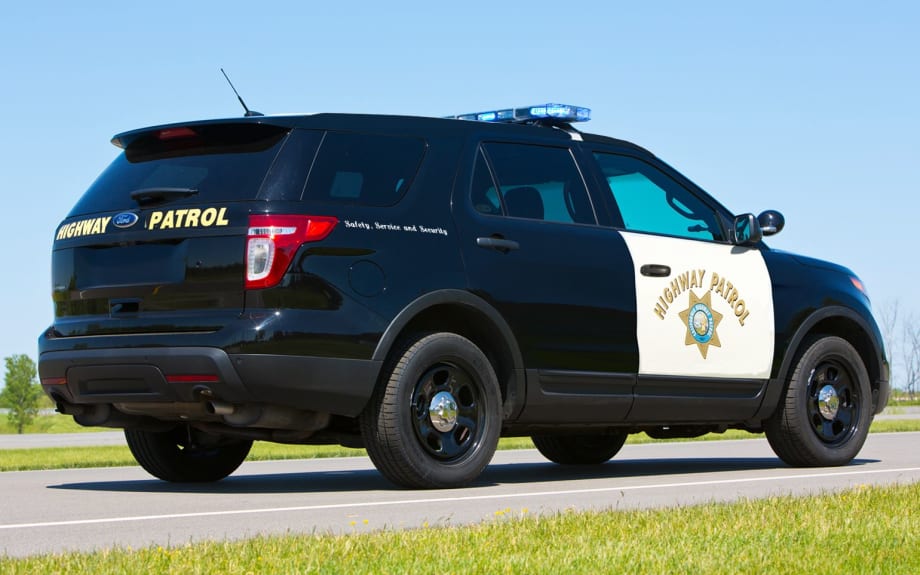
Ford's Police Interceptor Utility. Photo courtesy: California Highway Parol.
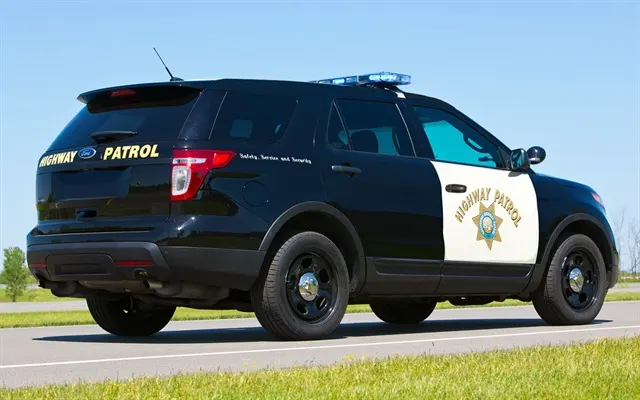
Ford's Police Interceptor Utility. Photo courtesy: California Highway Parol.
SACRAMENTO, CA - The California Highway Patrol will shift to Ford's Police Interceptor Utility SUV as its primary patrol vehicle when it begins replacing aging Crown Vics in its fleet.
The P.I. Utility was the only vehicle that met the agency's specifications for payload capacity and provides versatility in handling a variety of missions including traffic enforcement, event security, and facility protection, state officials said.
Assistant Chief Erik Knudsen told the Los Angeles Times the agency preferred the P.I. Utility over the crop of new patrol cars because "the design of the new sedans is becoming smaller and lighter."
The state agreed to purchase the new enforcement vehicles from Folsom Lake Ford. The contract allows for the purchase of P.I. Utility SUVs for $26,578 and Ford P.I. sedans for $23,242. The state's Department of General Services will acquire the vehicles.
The all-wheel-drive P.I. Utility, which also arrives in a front-wheel version, has a payload capacity of 1,500 pounds. The gross vehicle weight rating (GVWR) of the P.I. Utility is 6,300 pounds, which measures its curb weight plus maximum payload. Curb weight in 4,630 pounds.
"The CHP does need payload capacity of 1,500 pounds," said Eric Lamoureux, general services spokesman. "The sedan doesn't meet the capacity."
The sedan has a GVWR of 5,700 pounds and a curb weight of 4,310 pounds.
The department plans to begin purchasing the vehicles in October after testing four vehicles and completing a fleet utilization study. Gov. Jerry Brown has instructed state departments to eliminate under-utilized vehicles from the fleet as a cost-saving initiative. As a result, some officers may lose take-home vehicles, especially if they aren't using them for enforcement.
The dealer agreed to deliver two P.I. sedans and two SUVs for the CHP's own regimen of testing that includes a five-mile high-speed run (at 125 mph); 90-0 mph braking; and a timed road course.
The agency typically replaces about a third of its 4,000-vehicle fleet each year. The agency's marked enforcement units include 2,300 sedans and 140 all-terrain vehicles.
By Paul Clinton
More Operations

How St. Johns County Turned Fleet Data Into Better Replacement Decisions
St. Johns County, Florida, had fleet data, but turning it into reliable decision guidance was another matter. Instead of starting over with a new fleet management system, the county connected existing tools and built a scoring system that gives managers an objective look at fleet health.
Read More →
Fleet Forward Conference Introduces One-Day Passes for 2026
New one-day registration lets fleet professionals attend Tuesday, Wednesday, or Thursday, with passes available for $249.
Read More →
ENC Unveils its ZAVIR Medium-Duty Shuttle
Two variants of the concept shuttles were revealed: a low-floor configuration and a high-floor configuration.
Read More →
Could Your Next Fleet Technician Start as an Intern?
What if your next technician hasn’t worked in a fleet shop yet? What fleets are doing to free up time.
Read More →
How Phoenix Is Building Its Next Generation of Fleet Technicians
With more than 8,000 vehicles and pieces of equipment to maintain, the City of Phoenix could not afford to wait for fully trained technicians to walk through the door. Instead, they revamped their entire workforce strategy and showed how public fleets can create their own talent pipeline while preparing existing employees for increasingly complex vehicles.
Read More →
What’s Slowing Your Fleet Down?
Could a change in how work gets done help your fleet return vehicles to service sooner?
Read More →
Can Public Fleets Trust the Data Driving Their Decisions?
Public fleets have more data than ever, but inconsistent records and missing information can still undermine maintenance, replacement, and cost decisions.
Read More →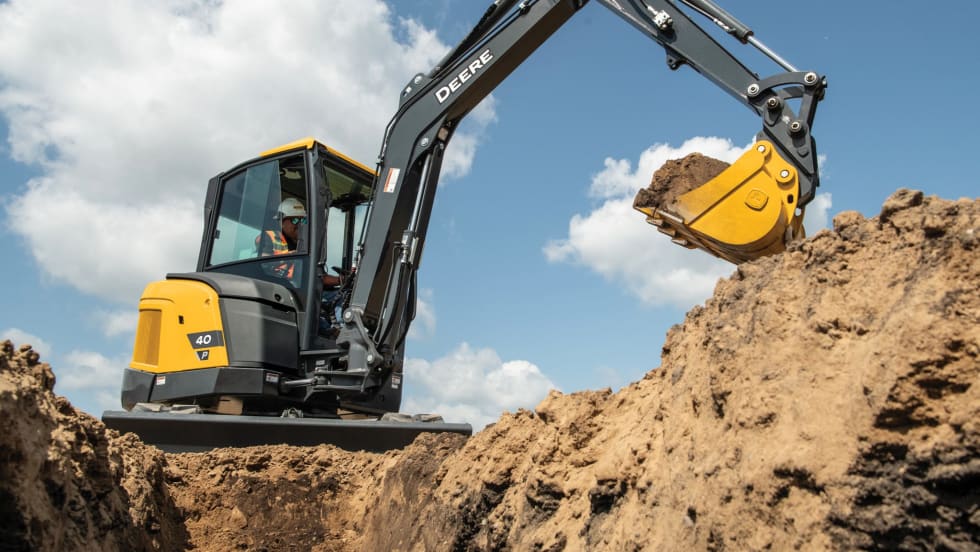
John Deere Introduces 40 P-Tier Compact Excavator
John Deere is adding a compact excavator designed for crews that need to move equipment between jobsites and handle multiple types of work with one machine. The 40 P-Tier weighs less than 10,000 pounds and offers configurable hydraulics, attachment options, and connected fleet-management capabilities.
Read More →
How Leading Fleets Improve and Why Business Plans Matter
This week, we look at what past Leading Fleet winners can teach us about making progress, plus how to build a business plan your fleet will actually use.
Read More →
Nominate a Fleet Leader for the 2027 Public Fleet Hall of Fame
Do you know a fleet leader who has made a lasting impact on the industry? Nominate this fleet professional for the 2027 Public Fleet Hall of Fame.
Read More →