




Biodiesel Making A Quiet Debut In Apple Valley, MN
MINNEAPOLIS, MN — For several weeks, customers filling their tanks at the diesel pump at the Apple Valley Marathon station have been getting a little soy-based fuel in the mix.
MINNEAPOLIS, MN — For several weeks, customers filling their tanks at the diesel pump at the Apple Valley Marathon station have been getting a little soy-based fuel in the mix. The station, owned by the Farmers Union Co-operative, is the first in the area to sell "B2," a diesel fuel that contains a 2 percent blend of soy-based biodiesel, according to a report in the Minneapolis Star Tribune on July 14. Station manager Brent Dickson said that he hasn't seen much customer reaction to the change, even though the blended fuel costs about 3 cents a gallon more than the straight diesel he used to sell. Diesel sales have been about at their usual level, and he hasn't noticed any changes in buying habits. "There have been no complaints, but I don't think people are that knowledgeable about what it is," he said. By this time next year, biodiesel backers in Minnesota hope truckers and motorists who drive diesel vehicles will become as familiar with the term "B2" as the general public is with "ethanol." A 2002 state law mandating that all diesel fuel sold in Minnesota contain at least 2 percent biodiesel is scheduled to take effect as soon as July 1, 2005. However, there's a catch: the law says the requirement won't take effect until Minnesota has production capacity of at least 8 million gallons of biodiesel, and so far, capacity in the state stands at zero. Most of the biodiesel in use comes from plants in Iowa and Kentucky, said Ralph Groschen, ag-marketing specialist for the Minnesota Agriculture Department. There are at least three state groups working to change that, he said, but it's not clear whether any of them will have a biodiesel plant with enough capacity up and running in time to trigger the law. The largest project on the drawing board is a 30 million-gallon plant being planned by the Minnesota Soybean Processors Co-op in Brewster, Minn., where the co-op operates a soybean crushing operation. Bob Kirchner, president of the co-op, said that the biodiesel plant's start-up originally was planned for next spring but that it was put on hold because of last year's short soybean crop, and a tougher financing climate. Another issue was the failure by Congress to pass tax breaks for developing renewable energy sources such as biodiesel, he said. Dana Albers, fleet manager for Hennepin County, said the county started testing biodiesel blends more than four years ago in cooperation with the University of Minnesota. For 18 months, the county used a mix of 20 percent soy-based fuel and 80 percent petroleum diesel, and then switched to a mix of 15 percent soy, 5 percent used cooking oil and 80 percent petroleum diesel. In both cases, "engine performance was the same and wear was probably less" than with straight diesel, he said. "We're still driving those vehicles, and we had no fuel-related failures. We've run it in snowplows, other equipment — anything that's diesel." The county now is running all its diesel equipment on a 5 percent biodiesel blend, he said, which adds about 5 cents per gallon to fuel costs but has many other advantages. "It's better for the environment, cleaner-burning and reduces emissions, and it doesn't require any engine modifications," he said.
More Operations

Fleet Forward Conference Introduces One-Day Passes for 2026
New one-day registration lets fleet professionals attend Tuesday, Wednesday, or Thursday, with passes available for $249.
Read More →
ENC Unveils its ZAVIR Medium-Duty Shuttle
Two variants of the concept shuttles were revealed: a low-floor configuration and a high-floor configuration.
Read More →
Could Your Next Fleet Technician Start as an Intern?
What if your next technician hasn’t worked in a fleet shop yet? What fleets are doing to free up time.
Read More →
How Phoenix Is Building Its Next Generation of Fleet Technicians
With more than 8,000 vehicles and pieces of equipment to maintain, the City of Phoenix could not afford to wait for fully trained technicians to walk through the door. Instead, they revamped their entire workforce strategy and showed how public fleets can create their own talent pipeline while preparing existing employees for increasingly complex vehicles.
Read More →
What’s Slowing Your Fleet Down?
Could a change in how work gets done help your fleet return vehicles to service sooner?
Read More →
Can Public Fleets Trust the Data Driving Their Decisions?
Public fleets have more data than ever, but inconsistent records and missing information can still undermine maintenance, replacement, and cost decisions.
Read More →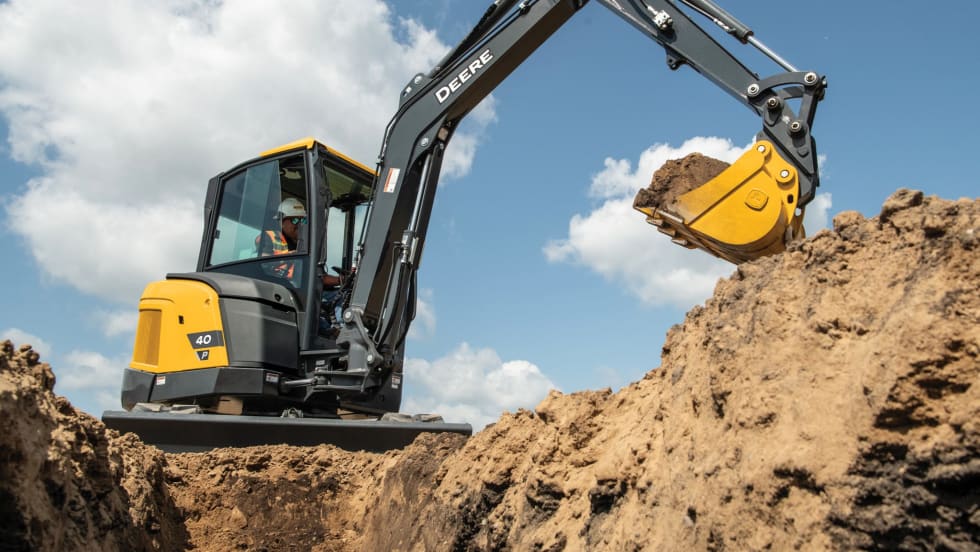
John Deere Introduces 40 P-Tier Compact Excavator
John Deere is adding a compact excavator designed for crews that need to move equipment between jobsites and handle multiple types of work with one machine. The 40 P-Tier weighs less than 10,000 pounds and offers configurable hydraulics, attachment options, and connected fleet-management capabilities.
Read More →
How Leading Fleets Improve and Why Business Plans Matter
This week, we look at what past Leading Fleet winners can teach us about making progress, plus how to build a business plan your fleet will actually use.
Read More →
Nominate a Fleet Leader for the 2027 Public Fleet Hall of Fame
Do you know a fleet leader who has made a lasting impact on the industry? Nominate this fleet professional for the 2027 Public Fleet Hall of Fame.
Read More →
Why Fleet Business Plans Need Three Perspectives
A fleet business plan should help agency leaders understand the fleet’s value, give the organization a clear direction, and establish shared expectations with customer departments.
Read More →